
Galaxy Tab S9 FE+ (12.4", 2023) vs iPad Pro (2021, M1 series)

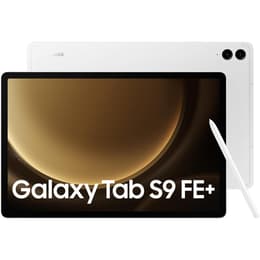
Galaxy Tab S9 FE+ (12.4", 2023)
Starting at

Refurbished price:A$738.00

Versus A$974.00 new

See options
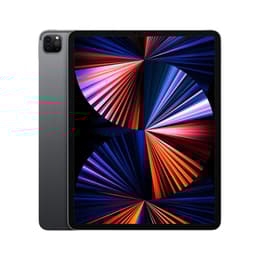
iPad Pro (2021, M1 series)
Starting at

Refurbished price:A$929.00

Versus A$1,829.00 new

See options

The Samsung Galaxy Tab S9 FE+ (Fan Edition Plus), released in October 2023, and the Apple iPad Pro 2021 M1 Series, launched in May 2021, represent distinct approaches to high-performance tablets. While both offer large displays and robust capabilities for productivity and entertainment, they differ significantly in their operating systems, core hardware, and target user experiences. The Galaxy Tab S9 FE+ runs on Android with Samsung's One UI, while the iPad Pro M1 operates on iPadOS, each offering unique software ecosystems and functionalities.

Scores

Durability

The longevity of a tablet is influenced by its build quality, software support, and the availability of repairs. Both devices offer solid construction, but their software ecosystems dictate their update lifecycles.

  • Software Support: The Galaxy Tab S9 FE+ is expected to receive four major Android OS updates and five years of security patches, extending its software relevance until Android 17. The iPad Pro M1, released earlier, typically receives 5-6 years of iPadOS updates, meaning its software support cycle may conclude sooner than the Tab S9 FE+.
  • Build Quality: The Galaxy Tab S9 FE+ features an aluminum build and boasts an IP68 rating for dust and water resistance, providing a good level of protection against environmental elements. The iPad Pro M1 also features an aluminum chassis, known for its durable and premium feel.
  • Practical Lifespan: Users can expect both tablets to remain functional for several years beyond their official software support, particularly for less demanding tasks. However, the newer release date and extended update policy of the Tab S9 FE+ may offer a slightly longer period of optimal software performance and security.

Release year

2023

2021

Compatible with latest Update

Yes

Yes

Operating system

Android

iPadOS

Performance

The performance of these tablets is a key differentiator, impacting how smoothly they handle demanding applications, multitasking, and graphics-intensive tasks.

  • Processing Power: The iPad Pro M1, equipped with a powerful chip, delivers exceptional performance, allowing for seamless multitasking, rapid app loading, and smooth handling of professional-grade applications like video editing and 3D rendering. The Galaxy Tab S9 FE+ utilizes a mid-range processor, which provides good performance for everyday tasks such as web browsing, streaming, and light productivity, but may exhibit occasional stutters with very demanding apps or intensive gaming.
  • Multitasking and Responsiveness: The iPad Pro M1 offers a highly responsive user experience, maintaining fluidity even with numerous applications open simultaneously. The Galaxy Tab S9 FE+ handles multiple apps adequately, though some users have noted occasional delays when switching between heavy applications.
  • Storage and RAM: The iPad Pro M1 offers a wide range of storage options, from 128GB up to 2TB, with RAM configurations of 8GB or 16GB depending on the storage tier. The Galaxy Tab S9 FE+ comes with 128GB or 256GB of internal storage, expandable via a microSD card, and 8GB or 12GB of RAM.

Memory (GB)

8 GB

8 GB

Screen quality

The display is a central component of any tablet, and these two devices offer different visual experiences tailored to their respective designs.

  • Display Technology and Clarity: The 12.9-inch iPad Pro M1 features a Liquid Retina XDR mini-LED display, offering exceptional brightness, deep blacks, and a high contrast ratio, making it well-suited for HDR content and professional visual work. The 12.4-inch Galaxy Tab S9 FE+ uses an IPS LCD panel with a resolution of 2560 x 1600 pixels, providing a sharp image with good colors, though it cannot match the contrast levels of an OLED or mini-LED display.
  • Brightness and Refresh Rate: The iPad Pro M1's Liquid Retina XDR display can reach a peak brightness of 1600 nits for HDR content and features ProMotion technology for an adaptive refresh rate up to 120Hz, ensuring smooth scrolling and responsive visuals. The Galaxy Tab S9 FE+ offers a 90Hz refresh rate for smoother animations and scrolling compared to standard 60Hz displays, and can achieve up to 720 nits of outdoor brightness with Vision Booster.
  • Viewing Experience: Both tablets offer large screen sizes suitable for immersive viewing and productivity. The iPad Pro's advanced display technology provides a more vibrant and detailed visual experience, particularly for media consumption and color-critical tasks. The Tab S9 FE+'s display is bright and clear for general use, including web browsing and streaming.

Resolution

1600 x 2560

2732 x 2048

Screen type

IPS LCD

Liquid Retina XDR

Pixel density

250ppp

264ppp

Audiovisual

While tablets are not typically primary photography devices, their cameras are important for video calls, document scanning, and occasional photo capture.

  • Rear Camera System: The iPad Pro M1 features a dual-camera setup on the rear, including a 12MP wide lens and a 10MP ultra-wide lens, along with a LiDAR scanner for enhanced augmented reality experiences and improved depth sensing. The Galaxy Tab S9 FE+ has an 8MP wide and an 8MP ultrawide camera on the back, which are suitable for general photography and document scanning in good lighting conditions.
  • Front Camera and Video Calls: Both tablets feature capable front-facing cameras for video conferencing. The iPad Pro M1 includes a 12MP ultra-wide front camera with Center Stage, which automatically keeps the user in the frame during video calls. The Galaxy Tab S9 FE+ also has a 12MP ultra-wide front camera, which is well-regarded for video calls and produces detailed images.
  • Video Recording and Audio: The iPad Pro M1 can record 4K video at up to 60 frames per second and features a four-speaker audio system for a rich sound experience. The Galaxy Tab S9 FE+ can record 4K video at 30 frames per second with its main camera and offers stereo speakers tuned by AKG for good audio output.

Miscellaneous

Beyond the core specifications, several other features contribute to the overall user experience and utility of these tablets.

  • Connectivity and Ports: The iPad Pro M1 features a USB-C port with Thunderbolt 3 and USB4 support, offering high data transfer speeds up to 40Gbps and extensive connectivity options for external displays and accessories. It also supports Wi-Fi 6 and optional 5G connectivity. The Galaxy Tab S9 FE+ includes a USB-C 2.0 port, Wi-Fi 6, and Bluetooth 5.3, with some models offering 5G connectivity.
  • Stylus and Biometrics: The Galaxy Tab S9 FE+ comes with an S Pen included in the box, which is water and dust-resistant and attaches magnetically. It features a physical fingerprint scanner embedded in the power button. The iPad Pro M1 supports the Apple Pencil 2nd Generation (sold separately) and uses Face ID for secure authentication.
  • Dimensions and Weight: The 12.4-inch Galaxy Tab S9 FE+ weighs approximately 627-628 grams and measures 285.4 x 185.4 x 6.5 mm. The 12.9-inch iPad Pro M1 weighs around 682-685 grams and measures 280.6 x 214.9 x 6.4 mm.

Weight

920 oz

682 oz

Screen size (in)

12.4

12.9

Network

Wi-Fi

Wi-Fi

Carrier compatibility

Without SIM Port

Without SIM Port

User feedback for the Galaxy Tab S9 FE+ often highlights its premium design, excellent build quality, and impressive battery life as strong points. Users appreciate the included S Pen and the tablet's suitability for everyday tasks and media consumption. However, some criticisms point to occasional performance stutters with demanding applications and a display that, while good, doesn't offer the deep blacks of more premium OLED panels.

The iPad Pro M1 is frequently praised for its exceptional processing power, stunning Liquid Retina XDR display (on the 12.9-inch model), and robust app ecosystem. Users value its capability for professional workflows, smooth multitasking, and the advanced features of its camera system like Center Stage. Common observations include its high performance for creative tasks and its seamless integration within the Apple ecosystem.

Users prioritizing a powerful tablet for demanding creative work, advanced multitasking, and a top-tier display experience may find the iPad Pro M1 Series well-suited to their needs. Those seeking a large-screen Android tablet for general productivity, media consumption, and note-taking, especially with an included stylus and expandable storage, may lean toward the Galaxy Tab S9 FE+. Both devices offer a quality-assured refurbished option, providing a sustainable choice for consumers.


See all articles

Our recent comparisons