
MacBook
Compare models
Differences at a glance
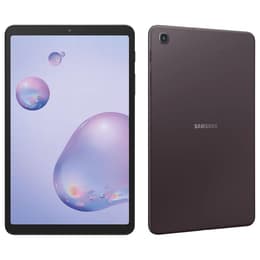
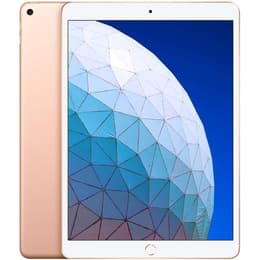
The Samsung Galaxy Tab A 8.4 (2020) and the Apple iPad Air (2019) are two distinct tablet offerings, released in March 2020 and March 2019 respectively. While both devices aim to provide a portable computing experience, they cater to different ecosystems and user preferences. The Galaxy Tab A 8.4 operates on the Android platform, offering a more compact form factor, whereas the iPad Air (2019) runs on iPadOS, featuring a larger display and integration within Apple's ecosystem. Their primary differentiators lie in their operating systems, screen sizes, and overall performance capabilities.
Colour
Storage
The practical lifespan of a tablet is significantly influenced by its release timeline and the duration of software support it receives. These two devices, released a year apart, offer differing expectations in this regard.
Release year
Compatible with latest Update
Operating system
When evaluating the performance of these two tablets, the core difference lies in their underlying processing power and how they handle various tasks, from everyday browsing to more demanding applications.
The visual experience on a tablet is largely defined by its display, and these two models offer distinct screen technologies and characteristics.
Resolution
Screen type
Pixel density
While tablets are not typically primary photography devices, their camera systems are important for video calls, document scanning, and casual photography. Both tablets offer functional camera setups.
Beyond core performance and display, several practical elements contribute to the overall user experience and utility of these tablets.
Weight
Screen size (in)
Network
Carrier compatibility
Choosing between the Galaxy Tab A 8.4 (2020) and the iPad Air (2019) depends heavily on individual priorities and intended use. User feedback for the iPad Air (2019) often praises its robust performance, vibrant display, and long battery life, making it a strong contender for productivity, media consumption, and light creative work. Common criticisms sometimes point to its older design compared to Pro models and the use of the Lightning port instead of USB-C.
For the Galaxy Tab A 8.4 (2020), users frequently highlight its compact size, sharp screen for its category, and the inclusion of a headphone jack and expandable storage as positive aspects. However, concerns have been raised regarding its sometimes sluggish performance, particularly with demanding applications, and inconsistent Wi-Fi connectivity. The audio quality from its speakers has also been a point of criticism.
Users prioritizing a larger screen, a more powerful and consistently smooth performance for a wide range of applications, and a longer software support window will likely find the iPad Air (2019) to be a more suitable choice. Its compatibility with the Apple Pencil and Smart Keyboard also makes it appealing for students or professionals seeking a versatile tool. Conversely, those who value a highly portable device, prefer the Android ecosystem, require expandable storage, and primarily engage in basic tasks like web browsing, e-reading, and video streaming may lean towards the Galaxy Tab A 8.4 (2020).
Both tablets, when considered as quality-assured refurbished options, present an eco-friendly alternative to purchasing new, allowing users to make informed and sustainable choices while still acquiring a device that meets their specific needs.