

Compare models

Galaxy S26 Ultra vs Google Pixel 9

  • 1-year warranty
  • Free standard shipping
  • Free 30-day returns
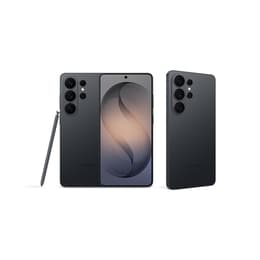
Galaxy S26 Ultra
Starting at

Refurbished price:A$1,516.00

Versus A$2,199.00 new

See options
Google Pixel 9
Starting at

Refurbished price:A$640.00

Versus A$1,349.00 new

See options

Differences at a glance

The Samsung Galaxy S26 Ultra (2026) and the Google Pixel 9 (2024) represent different tiers and release cycles within the smartphone market, serving users who look for distinct hardware sizes and software ecosystems. While the Galaxy S26 Ultra functions as a large-format flagship loaded with extensive multi-lens camera configurations and an integrated stylus, the Google Pixel 9 delivers a compact, streamlined smartphone experience powered by Google's custom software integration. Both devices operate on the Android platform, though they feature different user interfaces and long-term update frameworks tailored to distinct daily workflows.

Available Models

Colour

Storage (GB)

Scores

Durability

When evaluating the long-term viability of these two devices, release timelines and software support policies create distinct expectations for hardware longevity.

  • Software Support Window: The Galaxy S26 Ultra benefits from an extended software support framework typical of modern flagship releases, whereas the Google Pixel 9 follows a multi-year update commitment established during its 2024 launch.
  • Hardware Durability: The Galaxy S26 Ultra incorporates reinforced glass and advanced metal framing designed to withstand heavy daily handling, while the Pixel 9 utilizes a polished aluminum frame paired with durable display protection.
  • Expected Lifespan: Both models are built to remain functional for years, with internal storage configurations and memory allocations that accommodate future software demands.

Release year

2026

2024

Operating system

Android

Android

Foldable

No

No

Performance

Underneath their exteriors, these smartphones manage everyday tasks, application switching, and media rendering through distinct hardware architectures.

  • Multitasking and Responsiveness: Both devices handle intensive multitasking, demanding applications, and high-frame-rate mobile games smoothly, supported by generous baseline random access memory allocations.
  • Battery Behavior: The Galaxy S26 Ultra features a large battery capacity designed to sustain extended periods of intensive media usage, whereas the Pixel 9 relies on a smaller physical footprint that matches its more compact screen dimensions for daily power management.
  • Storage Variations: Users can select from multiple internal storage tiers on both models, ensuring adequate space for offline media, applications, and high-resolution files without expandable card slots.

Screen quality

Visual output and display construction differ significantly in scale and technology between the two choices.

  • Display Technology: The Galaxy S26 Ultra features an expansive AMOLED display with high resolution and deep contrast levels, while the Pixel 9 utilizes a vibrant OLED panel optimized for sharp text rendering and rich color reproduction.
  • Brightness and Outdoor Visibility: Both panels achieve high peak brightness levels, allowing users to view maps, photos, and messages clearly under direct sunlight.
  • Refresh Rate and Smoothness: Adaptive refresh rates up to 120Hz ensure fluid scrolling through web pages, system menus, and supported applications on both smartphones.

Resolution

1440x3120

1080 x 2424

Audiovisual

Photography and media capture capabilities cater to different creative preferences through varied sensor arrangements.

  • Camera System Setup: The Galaxy S26 Ultra employs a versatile multi-lens array featuring high-resolution main sensors and dedicated optical zoom capabilities for distant subjects, whereas the Pixel 9 focuses on a dual-camera layout backed by advanced computational image processing.
  • Video and Audio Recording: Both models capture stable, high-definition video with clear audio capture suitable for vlogging, family events, and casual recording.
  • Media Consumption: Stereo speaker configurations on both devices deliver balanced sound output for hands-free calling, podcast listening, and video playback.

Miscellaneous

Practical daily usability elements shape how each device fits into travel, work, and communication routines.

  • Connectivity Standards: Both smartphones support modern 5G cellular networks, high-speed Wi-Fi standards, and Bluetooth accessories for reliable wireless pairing.
  • Physical Handling: The Galaxy S26 Ultra provides a broader workspace and a heavier, squared-off profile suited to two-handed use, whereas the Pixel 9 offers a lighter, more rounded form factor that rests comfortably in one hand or a small pocket.
  • Security Sensors: Quick biometric authentication is available on both devices via responsive in-display fingerprint sensors and facial recognition options.

Weight

214 oz

198 oz

Screen size (in)

6.9

6.3

Network

5G

5G

SIM card

Physical SIM + eSIM

Physical SIM + eSIM

Carrier compatibility

Unlocked

Unlocked

What the community thinks

User discussions across community forums highlight distinct preferences for each device based on everyday handling habits. Owners of the Galaxy S26 Ultra frequently praise its expansive screen real estate, versatile zoom capabilities, and productivity features. At the same time, some users note that its larger physical dimensions can feel heavy during extended one-handed use. Conversely, Pixel 9 users frequently highlight the comfortable ergonomics, streamlined software navigation, and reliable point-and-shoot photography, while occasionally mentioning that they miss having a dedicated optical telephoto lens for distant subjects.

Users prioritizing maximum screen space, advanced zoom flexibility, and an integrated stylus will find the Galaxy S26 Ultra well-suited to their daily routines. Meanwhile, users who prefer a lighter, more compact device with straightforward software integration and strong everyday camera performance may lean toward the Pixel 9. Choosing a quality-assured refurbished option through sustainable platforms like Back Market offers an eco-friendly alternative for acquiring either model while reducing electronic waste. Ultimately, the right choice depends on whether a larger productivity-focused device or a more pocket-friendly daily companion aligns better with personal preferences.