
Compare models
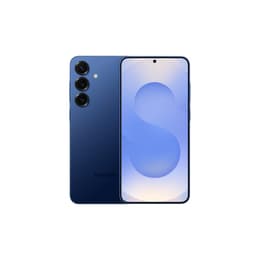
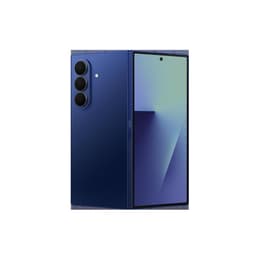
Galaxy S25+ vs Galaxy Z Fold7
- 1-year warranty
- Free standard shipping
- Free 30-day returns
Differences at a glance
The Samsung Galaxy S25+ (2025) and the Samsung Galaxy Z Fold7 (2025) represent two distinct visions of modern smartphone design, contrasting a traditional slate form factor with an advanced foldable engineering approach. While both devices operate on the Android platform and deliver current-generation processing capabilities, they cater to fundamentally different daily workflows through their physical layouts. This comparison examines how their core hardware, usability, and features distinguish them for daily use.
Available Models
Colour
Storage
Scores
Durability
Both smartphones benefit from long-term software support lifecycles, though their physical resilience profiles differ significantly based on their mechanical designs.
- Software longevity: Both devices are backed by extended operating system upgrade commitments, ensuring several years of security patches and feature updates.
- Physical resilience: The Galaxy S25+ features a conventional slab body with standardized glass panels, whereas the Galaxy Z Fold7 incorporates a complex folding hinge assembly that requires careful handling over years of intensive physical deployment.
- Expected lifespan: Traditional slate handsets often maintain predictable structural longevity over time, while foldable devices depend heavily on internal hinge maintenance and screen protection integrity during regular use.
Release year
2025
2025
Operating system
Android
Android
Foldable
No
Yes
Performance
Equipped with high-tier internal hardware configurations, both models deliver swift execution across demanding workloads, varying primarily in memory distribution and thermal management.
- Multitasking capacity: Both options handle heavy app switching smoothly, with larger memory allocations on select configurations assisting users who run numerous background tools simultaneously.
- Battery behavior: The Galaxy S25+ manages power efficiently for a standard day of mixed use, whereas the Galaxy Z Fold7 balances energy draw across multiple screens, often resulting in varying endurance depending on whether the inner or outer display is active.
- System responsiveness: App loading speeds, graphic rendering, and everyday navigation remain exceptionally fluid on both devices due to optimized current-generation hardware.
Screen quality
Display architecture is the most prominent differentiator between these two devices, defining how media and productivity apps are consumed.
- Display technology: The Galaxy S25+ utilizes a vibrant, high-resolution flat AMOLED panel, while the Galaxy Z Fold7 opens up to a large tablet-sized flexible inner display alongside a functional outer cover screen.
- Outdoor clarity: High peak brightness levels on both models ensure visibility under direct sunlight, though reflective properties can vary slightly between flat glass and folding plastic polymer surfaces.
- Refresh rate and smoothness: Adaptive refresh rates up to 120 Hz provide fluid scrolling, responsive touch tracking, and seamless animation rendering across all active screens.
Resolution
1440x3120
1968x2184
Audiovisual
Imaging hardware varies substantially, reflecting the distinct space constraints and engineering priorities of each form factor.
- Camera system capabilities: The Galaxy S25+ features a versatile multi-lens rear array suited for standard everyday photography, while the Galaxy Z Fold7 incorporates high-resolution sensor architecture designed to capture fine detail across multiple shooting configurations.
- Low-light performance: Advanced image processing helps both devices capture balanced exposures and controlled noise levels in dim environments.
- Media consumption and audio: Built-in stereo speakers on both models deliver clear sound output for casual video viewing, phone calls, and media streaming.
Miscellaneous
Physical dimensions, connectivity standards, and daily handling characteristics shape how these devices fit into personal routines.
- Connectivity and ports: Both models support 5G network bands, modern Wi-Fi standards, and Bluetooth pairing via standard USB-C connection ports.
- Handling and weight: The Galaxy S25+ offers a slim, lightweight slab profile that rests comfortably in one hand, whereas the Galaxy Z Fold7 is heavier and thicker when closed, but opens into a broad canvas that changes pocket and bag storage requirements.
- Biometrics and sensors: Fast biometric authentication is handled via responsive fingerprint sensors and facial recognition capabilities on both devices.
Weight
190 oz
215 oz
Screen size (in)
6.7
8.0
Network
5G
5G
SIM card
Physical SIM + eSIM
Dual Physical SIM + eSIM
Carrier compatibility
Unlocked
Unlocked
What the community thinks
User discussions across community forums highlight distinct preferences for each device based on practical lifestyle needs. Owners of the Galaxy S25+ frequently praise its reliable battery performance, comfortable ergonomics, and lightweight daily handling in a traditional format. Conversely, users drawn to the Galaxy Z Fold7 highlight the distinct productivity advantages of having a sprawling inner screen for reading, document editing, and multi-window multitasking, though some note the added weight and fold crease as notable daily trade-offs.
Choosing between these two models depends entirely on personal workflow preferences. Users prioritizing a lightweight, pocket-friendly design with straightforward daily reliability will find the Galaxy S25+ well-suited to their needs. Meanwhile, users prioritizing expansive screen real estate for multitasking and media consumption may lean toward the Galaxy Z Fold7. For consumers exploring sustainable technology upgrades, choosing a quality-assured refurbished option through Back Market provides an eco-friendly alternative to purchasing newly manufactured hardware.