
Smartphones
Compare models
Differences at a glance
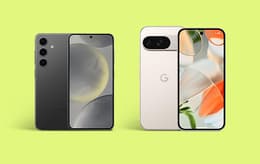
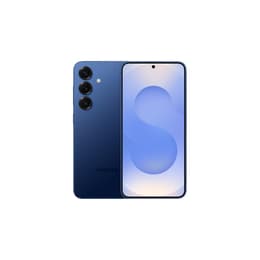
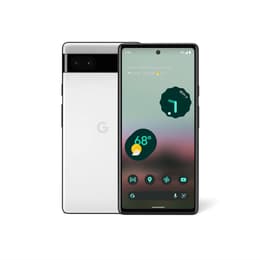
The Samsung Galaxy S25, released in early 2025, represents a current-generation flagship smartphone, while the Google Pixel 6A, launched in mid-2022, was positioned as a capable mid-range device. These two Android smartphones offer distinct experiences, primarily differentiated by their release timelines, processing power, and display technologies. Both run on the Android operating system, but their software support lifecycles and feature sets reflect their different market segments and development philosophies.
Colour
Storage
The longevity of a smartphone is influenced by its physical durability and the duration of its software support. The Galaxy S25, being a much newer device, offers a significantly extended lifespan in terms of software updates.
Release year
Foldable
Performance is a key area where the two devices diverge significantly, reflecting their different release years and target markets.
The visual experience on a smartphone is heavily influenced by its display, and here the Galaxy S25 offers more advanced technology.
Resolution
Both smartphones offer capable camera systems, though they approach photography with different hardware and software philosophies.
Beyond the core specifications, several practical elements contribute to the overall user experience of these devices.
Weight
Screen size (in)
SIM card
Carrier compatibility
The Samsung Galaxy S25 and Google Pixel 6A cater to different user needs and expectations, largely due to their generational gap and original market positioning. User feedback for the Galaxy S25 often highlights its cutting-edge performance, vibrant display, and comprehensive camera system as strong points. Criticisms, if any, tend to focus on the incremental nature of upgrades compared to its immediate predecessor, though its long-term software support is widely praised.
The Google Pixel 6A, despite being an older device, is frequently lauded for its exceptional camera performance, particularly its computational photography capabilities, which often rival more expensive phones from its era. Users also appreciate its clean Android experience and reliable battery life. Common criticisms for the Pixel 6A include its 60Hz display, which can feel less fluid compared to higher refresh rate screens, and its more limited software update longevity compared to newer devices.
Users prioritizing the latest technology, extended software support, and a premium, high-performance experience will find the Samsung Galaxy S25 well-suited to their needs. Its advanced display, powerful processor, and versatile camera system make it ideal for demanding tasks, gaming, and capturing high-quality content for many years to come. Conversely, users seeking a capable smartphone with a strong camera for everyday photography, a clean software experience, and a more compact form factor may lean towards the Google Pixel 6A. While its software support is nearing its end, it remains a solid option for those who value Google's software-driven camera prowess.
For those considering either device, exploring quality-assured refurbished options can provide a sustainable choice, extending the life of these electronics and offering an eco-friendly alternative.