

Galaxy S10 vs Oppo Find X5

Galaxy S10
Galaxy S10
Starting at

Refurbished price:A$359.00

Versus A$849.00 new

See options
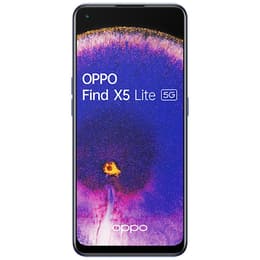
Oppo Find X5
Oppo Find X5
See options

Ratings

The Samsung Galaxy S10, released in March 2019, and the Oppo Find X5, launched in February 2022, represent different generations of flagship smartphones. While both devices offer a premium experience, they cater to slightly different user priorities through their distinct features and capabilities. The Galaxy S10 runs on the Android operating system, initially with Android 9 Pie, while the Oppo Find X5 launched with Android 12 and Oppo's ColorOS interface.

Scores

Durability

The longevity of a smartphone is influenced by its physical resilience and ongoing software support.

  • Release Timeline: The Galaxy S10 was released in March 2019, making it an older device compared to the Oppo Find X5, which launched in February 2022. This age difference significantly impacts their expected practical lifespan, particularly concerning software updates.
  • Software Support: The Galaxy S10 received its last major Android update with Android 12 (One UI 4), meaning it no longer receives new Android version updates. In contrast, the Oppo Find X5 launched with Android 12 (ColorOS 12.1) and is upgradable to Android 14 (ColorOS 14), with Oppo typically providing three years of Android version updates, offering a longer period of current software features and security patches.
  • Physical Durability: The Galaxy S10 features Corning Gorilla Glass 6 on both its front and back, along with an IP68 rating for dust and water resistance, indicating a high level of protection against environmental elements. The Oppo Find X5 uses Corning Gorilla Glass Victus on the front and Gorilla Glass 5 on the back, providing robust screen protection, but its IP54 rating suggests resistance to dust and splashes, rather than full submersion.

Release year

2019

2022

Compatible with latest Update

No

Yes

Operating system

Android

Android

Foldable

No

No

Performance

Performance is a key differentiator, with the newer device generally offering more advanced processing capabilities.

  • Processing Power: The Galaxy S10 is powered by a processor from 2019, which capably handles everyday tasks and moderate multitasking. The Oppo Find X5 features a more recent processor, providing a noticeable boost in speed and efficiency for demanding applications, intensive gaming, and complex multitasking scenarios.
  • Multitasking and Storage: The Galaxy S10 typically comes with 8GB of RAM and storage options up to 512GB, which is sufficient for most users. The Oppo Find X5 offers 8GB or 12GB of RAM and up to 256GB of internal storage, with the higher RAM option contributing to smoother transitions between multiple open applications and more responsive overall system performance.
  • Battery Behaviour: The Galaxy S10 is equipped with a 3400 mAh battery. For heavy users, this capacity may necessitate more frequent charging throughout the day. The Oppo Find X5 features a larger 4800 mAh battery, which generally translates to extended usage times and less concern about battery depletion during a full day of typical use.

Memory (GB)

8 GB

8 GB

Screen quality

Both devices offer vibrant displays, but with differences in resolution, size, and refresh rate that impact the viewing experience.

  • Display Technology and Resolution: The Galaxy S10 features a 6.1-inch Dynamic AMOLED display with a QHD+ resolution (3040x1440 pixels), offering a very sharp and detailed visual experience. The Oppo Find X5 has a slightly larger 6.55-inch AMOLED display with an FHD+ resolution (2400x1080 pixels). While both provide rich colours and deep blacks, the Galaxy S10 offers a higher pixel density.
  • Refresh Rate and Smoothness: The Galaxy S10 has a standard 60Hz refresh rate, providing a smooth experience for most content. The Oppo Find X5, however, boasts a 120Hz refresh rate, which results in noticeably smoother scrolling, more fluid animations, and a more responsive feel, particularly beneficial for gaming and fast-paced content.
  • Brightness and HDR: Both displays support HDR10+, delivering enhanced contrast and a wider range of colours for compatible content. The Galaxy S10's display can reach high peak brightness levels, making it suitable for outdoor visibility. The Oppo Find X5 also offers strong brightness, with a peak of up to 1000 nits, ensuring good readability in various lighting conditions.

Resolution

1440 x 3040

1080 x 2400

Screen type

Dynamic AMOLED

AMOLED

Audiovisual

The camera systems on these smartphones reflect advancements in mobile photography over their respective release periods.

  • Rear Camera System: The Galaxy S10 features a versatile triple-camera setup with a 12MP wide, 12MP telephoto, and 16MP ultrawide lens, capable of capturing a variety of scenes. The Oppo Find X5 also has a triple-camera system, but with higher resolution sensors: a 50MP wide, 50MP ultrawide, and 13MP telephoto lens. The Oppo Find X5 benefits from a dedicated MariSilicon X imaging neural processing unit (NPU) and a partnership with Hasselblad for colour calibration, which can enhance image processing and colour accuracy.
  • Low-Light and Video Performance: While the Galaxy S10 performs well in good lighting, the Oppo Find X5's larger sensors and dedicated NPU are designed to offer improved low-light photography and advanced video features, such as 4K Ultra Night Video. Both devices are capable of recording video at 4K resolution at 60 frames per second.
  • Front Camera and Audio: The Galaxy S10 includes a 10MP front camera for selfies and video calls. The Oppo Find X5 features a higher-resolution 32MP front camera. For audio, the Galaxy S10 retains a 3.5mm headphone jack, a feature absent on the Oppo Find X5, which relies on its stereo speakers for media consumption and USB-C for wired audio.

Main camera

12 megapixels

50 megapixels

Front camera

10 megapixels

32 megapixels

Miscellaneous

Beyond core features, several practical elements contribute to the overall user experience and daily usability.

  • Connectivity: The Galaxy S10 supports 4G LTE and Wi-Fi 6, providing fast wireless data speeds. The Oppo Find X5 steps up to 5G connectivity, offering potentially faster mobile data speeds and lower latency in supported areas, alongside Wi-Fi 6. Both devices include Bluetooth for wireless accessories.
  • Ports and Biometrics: Both smartphones utilise a USB-C port for charging and data transfer. The Galaxy S10 notably includes a 3.5mm headphone jack, which is absent on the Oppo Find X5. Both devices feature an in-display fingerprint sensor for secure unlocking.
  • Design and Handling: The Galaxy S10 is a more compact device, weighing 157g with dimensions of 149.9 x 70.4 x 7.8 mm, making it easier for one-handed use. The Oppo Find X5 is larger and heavier at 196g and measures 160.3 x 72.6 x 8.7 mm, offering a more expansive screen but a less compact feel. Both devices feature premium build materials, with glass backs and aluminium frames.

Weight

157 oz

196 oz

Screen size (in)

6.1

6.55

Network

4G

5G

SIM card

Physical SIM

Dual Physical SIM

Carrier compatibility

Unlocked

Unlocked

User feedback for the Samsung Galaxy S10 often highlights its excellent display quality, the convenience of its compact form factor, and the enduring appeal of its included 3.5mm headphone jack. Some common criticisms have focused on its battery life for intensive use and the conclusion of major software updates.

The Oppo Find X5 generally receives praise for its advanced camera capabilities, particularly in challenging lighting conditions, its smooth high refresh rate display, and its fast charging technology. Users appreciate its modern performance, though some may find its ColorOS interface a matter of personal preference, and its IP54 rating offers less water resistance than some other flagship devices.

Users prioritizing a more compact device with a very high-resolution display and the traditional headphone jack may find the Galaxy S10 well-suited to their needs. Conversely, those who value cutting-edge performance, 5G connectivity, a fluid high refresh rate screen, and advanced camera features, especially for low-light photography and video, will likely lean towards the Oppo Find X5. Considering a quality-assured refurbished option for either device can be an eco-friendly alternative for consumers seeking to make informed and sustainable choices.


See all articles

Our recent comparisons