Galaxy S25 vs Galaxy Z Fold4

Galaxy S25
Galaxy S25
Starting at

Refurbished price:A$855.00

Versus A$1,399.00 new

See options
Galaxy Z Fold4
Galaxy Z Fold4
Starting at

Refurbished price:A$734.00

Versus A$3,628.00 new

See options

Ratings

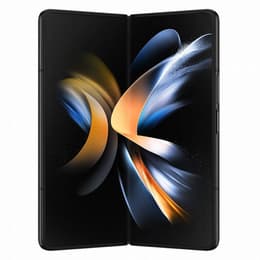
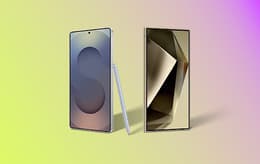
The Samsung Galaxy S25, a traditional smartphone released in early 2025, and the Samsung Galaxy Z Fold4, a foldable device launched in August 2022, offer distinct mobile experiences. While both run on the Android operating system with Samsung's One UI, their fundamental form factors and release timelines lead to significant differences in design, performance, and overall user interaction. The S25 represents the latest in conventional smartphone technology, whereas the Z Fold4 provides a versatile, tablet-like experience in a pocketable format.

Scores

Durability

The expected practical lifespan of these devices varies, largely influenced by their release dates and Samsung's software support policies.

  • Software Support: The Galaxy S25 benefits from Samsung's extended commitment, offering seven years of operating system updates and security patches from its 2025 release. In contrast, the Galaxy Z Fold4, released in 2022, typically receives four major Android OS updates and five years of security updates, with security patches expected to conclude around August 2027. This means the S25 will receive software support for a considerably longer period.
  • Physical Durability: The Galaxy S25 features an IP68 rating for dust and water resistance, along with Corning Gorilla Glass Victus 2 and an Armour Aluminium frame, providing robust protection against environmental elements and accidental damage. The Galaxy Z Fold4 offers IPX8 water resistance, meaning it can withstand submersion in water but lacks official dust resistance, making it more susceptible to dust ingress. Its foldable design, while innovative, introduces additional moving parts and a less rigid internal display compared to a traditional slab phone.
  • Repairability: While specific repairability scores can fluctuate, traditional smartphones like the S25 generally present a more straightforward repair process due to their less complex internal structure compared to foldable devices. The Z Fold4's intricate hinge mechanism and dual-screen setup can make repairs more involved.

Release year

2025

2022

Operating system

Android

Android

Foldable

No

Yes

Performance

Performance capabilities are a key differentiator, with the newer Galaxy S25 offering advancements over the Z Fold4.

  • Processing Power: The Galaxy S25 is equipped with a newer generation processor, the Snapdragon 8 Elite for Galaxy, built on a 3nm process, which provides enhanced speed and efficiency for demanding applications and multitasking. The Galaxy Z Fold4 uses the Snapdragon 8+ Gen 1 processor, which delivers strong performance for its generation but is an older architecture. Users will experience smoother app loading, more fluid transitions, and better handling of intensive tasks like high-fidelity gaming on the S25.
  • Multitasking and Responsiveness: Both devices offer ample RAM, with the S25 featuring 12GB across all versions and the Z Fold4 also having 12GB. This ensures competent multitasking. However, the S25's more advanced processor and optimized software contribute to a generally more responsive and future-ready experience, particularly as applications become more resource-intensive.
  • Battery Behavior: The Galaxy S25 features a 4000 mAh battery, while the Galaxy Z Fold4 has a 4400 mAh battery. Despite the Z Fold4's larger capacity, the S25's newer, more power-efficient processor and display technology are likely to result in comparable or potentially better real-world battery endurance for typical daily use, especially considering the Z Fold4 powers two displays.

Memory (GB)

12 GB

12 GB

Screen quality

The display experience is fundamentally different between these two devices due to their distinct form factors.

  • Display Technology and Clarity: Both devices utilize Samsung's Dynamic AMOLED 2X technology, known for vibrant colors, deep blacks, and excellent contrast. The Galaxy S25 features a 6.2-inch FHD+ (2340 x 1080) display, offering a sharp and clear viewing experience for a traditional smartphone. The Galaxy Z Fold4, however, offers a unique dual-screen setup: a 6.2-inch cover display (2316 x 904) and a large 7.6-inch foldable inner display (2176 x 1812). The inner display provides a significantly larger canvas, akin to a small tablet, which is beneficial for productivity and media consumption.
  • Brightness and Refresh Rate: Both models feature a 120Hz refresh rate on their main displays, providing smooth scrolling and fluid animations. The S25's display, being a newer generation, may offer higher peak brightness for better outdoor visibility, though the Z Fold4's displays are also capable of high brightness. The Z Fold4's variable refresh rate on both screens helps optimize power efficiency.
  • Viewing Experience: The S25 offers a consistent, high-quality viewing experience on a single, durable screen. The Z Fold4 provides the flexibility of a compact external screen for quick tasks and a expansive internal screen for immersive content or split-screen multitasking, albeit with a visible crease on the foldable display.

Resolution

1080x2340

1812 x 2176

Audiovisual

Both smartphones offer capable camera systems, but the newer Galaxy S25 benefits from more recent advancements in sensor technology and computational photography.

  • Rear Camera System: The Galaxy S25 features a triple-camera setup, including a 50 MP main sensor, a 12 MP ultrawide, and a 10 MP telephoto lens with 3x optical zoom. The Galaxy Z Fold4 also has a triple-camera system with a 50 MP wide-angle camera, a 12 MP ultra-wide camera, and a 10 MP telephoto camera with 3x optical zoom. While the megapixel counts are similar, the S25's newer sensors and image processing capabilities are likely to yield improved detail, dynamic range, and color accuracy, especially in challenging lighting conditions.
  • Low-Light and Video Performance: The S25, with its newer generation hardware and software optimizations, is expected to deliver superior low-light photography and enhanced video recording quality, potentially offering more stable footage and better noise reduction. Both devices are capable of recording video at high resolutions, including 8K at 24fps for the Z Fold4.
  • Front-Facing Cameras: The Galaxy S25 includes a 12 MP front camera, while the Z Fold4 has a 10 MP camera on its cover display and a 4 MP under-display camera on its main screen. The S25's front camera is likely to offer clearer and more detailed selfies and video calls. The Z Fold4's under-display camera, while innovative, may not match the clarity of a traditional punch-hole camera.

Miscellaneous

Beyond core specifications, several practical elements distinguish the user experience of these two devices.

  • Connectivity and Ports: Both devices support 5G connectivity for fast mobile data. The Galaxy S25 likely features newer Wi-Fi standards (e.g., Wi-Fi 7) and Bluetooth versions for improved wireless performance, while the Z Fold4 supports Wi-Fi 6E and Bluetooth 5.2. Both utilize a USB-C port for charging and data transfer.
  • Biometric Security: The Galaxy S25 integrates an in-display fingerprint sensor for convenient and secure unlocking. The Galaxy Z Fold4 features a side-mounted fingerprint sensor. Both also offer face recognition capabilities.
  • Physical Design and Handling: The Galaxy S25 is a lighter (162g for the base model) and more compact device, designed for comfortable one-handed use. The Galaxy Z Fold4 is significantly heavier (263g) and thicker when folded, offering a more substantial feel in hand. Its unique folding mechanism allows it to transform from a traditional phone size to a larger tablet-like display, offering versatility at the cost of increased bulk. The Z Fold4 also supports S Pen input on its main screen, enhancing its utility for note-taking and drawing.

Weight

162 oz

263 oz

Screen size (in)

6.2

7.6

Network

5G

5G

SIM card

Physical SIM + eSIM

Physical SIM + eSIM

Carrier compatibility

Unlocked

Unlocked

The Samsung Galaxy S25 and Galaxy Z Fold4 cater to different user preferences, with each excelling in distinct areas. The Galaxy S25, as a newer, traditional smartphone, is frequently praised by users for its streamlined design, extended software support, and cutting-edge performance. Its robust durability features and advanced camera system make it a reliable choice for everyday use and capturing high-quality content. Users often highlight its long-term viability due to the seven years of promised updates, ensuring it remains current and secure for an extended period.

Conversely, the Galaxy Z Fold4 receives acclaim for its innovative foldable form factor, which provides a large, immersive display for productivity and media consumption. Users appreciate the versatility of having a compact phone that unfolds into a tablet-like screen. However, some common criticisms include its increased weight and thickness when folded, and the visible crease on the inner display. Its durability, particularly regarding dust resistance and the longevity of the folding mechanism, is also a point of discussion among users.

Users prioritizing a device with the longest possible software support, a traditional and highly durable design, and the latest in processing power for a consistently smooth experience will find the Galaxy S25 well-suited to their needs. This includes individuals who value a straightforward, high-performance smartphone that will remain updated for many years. On the other hand, users who desire a highly versatile device that can transform from a standard phone to a large-screen tablet, enhancing multitasking and content viewing, may lean toward the Galaxy Z Fold4. Its unique form factor is ideal for those who want a larger digital canvas in a portable package, understanding the trade-offs in terms of bulk and a slightly older hardware generation. Both devices, whether new or as a quality-assured refurbished option, represent a commitment to informed and sustainable choices in mobile technology.


See all articles

Our recent comparisons