
Compare models

Galaxy S24+ vs Galaxy Z Fold7

  • 1-year warranty
  • Free standard shipping
  • Free 30-day returns
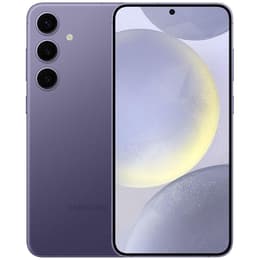
Galaxy S24+
Starting at

Refurbished price:A$589.00

Versus A$1,833.00 new

See options
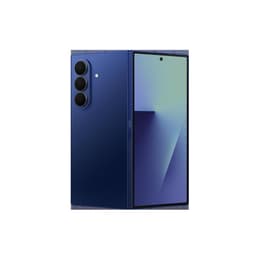
Galaxy Z Fold7
Starting at

Refurbished price:A$1,229.00

Versus A$2,499.00 new

See options

Differences at a glance

The Samsung Galaxy S24+ (2024) and the Samsung Galaxy Z Fold7 (2025) represent two distinct approaches to high-end mobile engineering. While the Galaxy S24+ provides a traditional, slim bar-phone structure with a large display, the Galaxy Z Fold7 offers a book-style folding design that transforms from a standard smartphone into a tablet-sized workspace. Both devices run on Android with Samsung's custom interface, catering to users who want top-tier processing power delivered in very different physical formats.

Available Models

Colour

Storage

Scores

Durability

When evaluating long-term durability and structural longevity, these two smartphones approach wear and tear through contrasting hardware designs while sharing identical software update commitments.

  • Software Longevity: Both models benefit from Samsung's extensive support policy, offering seven years of major operating system updates and security patches from their respective release dates.
  • Hardware Structure: The Galaxy S24+ uses a rigid aluminum frame and glass sandwich build designed for everyday drop resistance, whereas the Galaxy Z Fold7 incorporates a complex hinge mechanism and a flexible inner display that require more mindful day-to-day handling.
  • Expected Lifespan: Both devices provide long-term usability, though standard bar phones like the Galaxy S24+ generally face fewer mechanical vulnerabilities over years of intensive daily use compared to folding devices.

Release year

2024

2025

Operating system

Android

Android

Foldable

No

Yes

Performance

Underneath their exteriors, both smartphones house powerful processing hardware that handles demanding applications, multitasking, and gaming with equal fluency.

  • Multitasking and Speed: Each device manages split-screen workflows and heavy background tasks smoothly, aided by ample random-access memory configurations starting at 12GB.
  • Battery Behavior: The Galaxy S24+ features a 4,900mAh battery that comfortably sustains a full day of mixed use, while the Galaxy Z Fold7 relies on a slightly smaller 4,400mAh capacity to accommodate its thin folding chassis, leading to more frequent charging sessions during heavy tablet-mode usage.
  • Storage Options: Both lineups offer generous internal storage starting at 256GB, ensuring plenty of room for offline media, large applications, and local files.

Screen quality

Display technology is the primary differentiator between these two models, defining how users interact with media, documents, and web pages.

  • Display Format: The Galaxy S24+ features a single 6.7-inch rigid screen, whereas the Galaxy Z Fold7 provides a 6.5-inch cover display alongside an expansive 8.0-inch folding inner screen for a tablet-like viewing area.
  • Visual Clarity: Both devices utilize vibrant dynamic panel technology with adaptive high refresh rates up to 120Hz, ensuring fluid scrolling and sharp text rendering.
  • Outdoor Usability: High peak brightness capabilities on both models allow contents and viewfinder elements to remain clearly visible under direct sunlight.

Resolution

1440x3120

1968x2184

Audiovisual

Imaging capabilities on these smartphones cater to different creative styles, balancing high-resolution sensors with versatile optical zoom lenses.

  • Main Photography: The Galaxy S24+ uses a dependable triple camera array anchored by a 50-megapixel main sensor, while the Galaxy Z Fold7 steps up to a 200-megapixel primary sensor for heightened detail capture.
  • Zoom and Versatility: Both models include dedicated telephoto lenses supporting optical zoom alongside ultra-wide sensors for landscape shots, supported by advanced image processing software.
  • Media and Audio: Stereo speaker setups on both devices deliver clear sound for video playback and calls, while multi-microphone arrays isolate speech effectively during recording.

Miscellaneous

Practical daily usability is shaped by physical dimensions, port availability, and connectivity standards tailored to modern mobile ecosystems.

  • Connectivity: Both models support widespread 5G networks, fast Wi-Fi standards, and Bluetooth connections for accessories.
  • Physical Handling: The Galaxy S24+ maintains a traditional 7.7mm thickness and weighs 196 grams, whereas the Galaxy Z Fold7 achieves an impressive folded thickness of 8.9mm and a weight of 215 grams, making it surprisingly compact for a folding device.
  • Biometrics: Secure authentication is handled swiftly on both handsets via responsive fingerprint sensors integrated into their side power keys or screens alongside facial recognition.

Weight

196 oz

215 oz

Screen size (in)

6.7

8.0

Network

5G

5G

SIM card

Physical SIM + eSIM

Dual Physical SIM + eSIM

Carrier compatibility

Unlocked

Unlocked

What the community thinks

User discussions highlight distinct preferences for each device based on everyday workflow requirements. Owners of the Galaxy S24+ frequently praise its reliable all-day battery life, comfortable ergonomics, and traditional pocket-friendly profile. On the other hand, Galaxy Z Fold7 users gravitate toward the expansive inner screen for productivity, reading, and media viewing, though some note that the folding screen crease and battery endurance under heavy tablet usage require minor compromises. Choosing a quality-assured refurbished option through Back Market offers an eco-friendly way to access either of these advanced smartphones while reducing electronic waste.

Users who prioritize a lightweight, traditional phone design with dependable battery longevity will find the Galaxy S24+ well-suited to their needs. Conversely, users who prefer a versatile dual-screen layout for multitasking and expanded viewing angles may lean toward the Galaxy Z Fold7. Reviewing personal usage habits regarding media consumption and portability will help determine which hardware format fits best.