
Galaxy S24 vs Motorola Razr 40

Galaxy S24
Galaxy S24
Starting at

Refurbished price:A$622.00

Versus A$1,841.10 new

See options
Motorola Razr 40
Motorola Razr 40
See options

Ratings

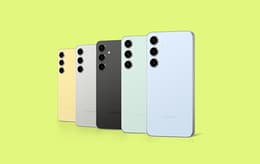
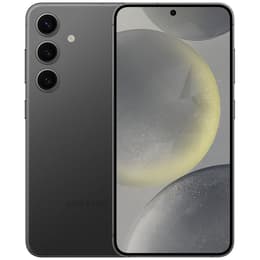
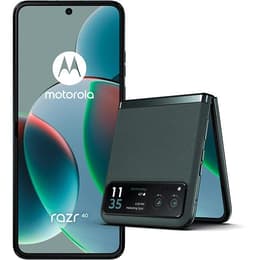
The Samsung Galaxy S24, released in January 2024, is a traditional high-end smartphone, while the Motorola Razr 40, launched in June 2023, offers a distinct foldable clamshell design. These devices cater to different user preferences, with the Galaxy S24 focusing on robust performance and extensive software support, and the Razr 40 emphasizing a compact, unique form factor.

Scores

Durability

The longevity of a smartphone is influenced by its physical resilience and the duration of software support it receives.

  • Release Timeline and Software Support: The Galaxy S24, released in January 2024, benefits from Samsung's commitment to providing seven years of operating system and security updates, extending its software lifespan until approximately 2031. In contrast, the Motorola Razr 40, launched in June 2023, is promised three major Android OS upgrades and four years of bi-monthly security updates, with its last OS update expected to be Android 16. This difference means the Galaxy S24 will receive significantly longer official software support.
  • Physical Durability: The Galaxy S24 features Corning Gorilla Glass Victus 2 on the front and an Armor Aluminum frame, along with an IP68 rating for substantial dust and water resistance. The Motorola Razr 40, with its foldable design, uses a vegan leather finish and an aluminum frame, offering IP52 splash resistance. While the Razr 40's external display is protected by Gorilla Glass Victus, the main foldable screen inherently presents different durability considerations compared to a traditional slab phone.
  • Repairability: The Galaxy S24 has demonstrated a high repairability score, with components like the battery being relatively easy to access and replace due to pull tabs. The Motorola Razr 40, due to its complex foldable mechanism and use of adhesive, generally receives lower repairability scores, indicating that repairs can be more challenging.

Release year

2024

2023

Compatible with latest Update

Yes

Yes

Operating system

Android

Android

Foldable

No

Yes

Performance

Performance aspects encompass how smoothly a device handles daily tasks, multitasking, and demanding applications.

  • Processing Power: The Galaxy S24 is equipped with a current-generation processor, either the Snapdragon 8 Gen 3 or Exynos 2400 depending on the region, providing high-end performance suitable for intensive gaming and demanding applications. The Motorola Razr 40 utilizes the Snapdragon 7 Gen 1, which offers solid mid-range performance, capably handling everyday apps and running modern games at moderate settings.
  • Multitasking and Storage: The Galaxy S24 typically comes with 8GB or 12GB of RAM and offers faster UFS 3.1 or UFS 4.0 storage options, contributing to swift app loading and seamless multitasking. The Razr 40 also offers 8GB or 12GB of RAM, paired with UFS 2.2 storage, which is sufficient for most users but may not match the raw speed of the Galaxy S24 for very heavy workloads.
  • Battery Behavior: The Galaxy S24 features a 4000 mAh battery, often providing a full day or more of usage for many users. The Motorola Razr 40 has a 4200 mAh battery, which generally offers good battery life, potentially lasting one to two days with lighter use, though heavy gaming can lead to faster depletion. Both devices support fast wired charging, and the Razr 40 also includes 5W wireless charging.

Memory (GB)

12 GB

8 GB

Screen quality

The display is a primary interface for smartphone interaction, with various technologies influencing visual experience.

  • Display Technology and Clarity: The Galaxy S24 features a 6.2-inch Dynamic AMOLED 2X display, known for its vibrant colors, deep blacks, and excellent contrast. The Motorola Razr 40 boasts a larger 6.9-inch Foldable LTPO AMOLED main display, also offering rich colors and good clarity.
  • Brightness and Refresh Rate: The Galaxy S24's display can reach a peak brightness of 2600 nits, ensuring excellent visibility even in bright outdoor conditions. It also features an adaptive refresh rate ranging from 1Hz to 120Hz for smooth scrolling and power efficiency. The Razr 40's main display offers a 144Hz refresh rate for very fluid visuals and a peak brightness of 1400 nits, which is bright for most environments.
  • Unique Form Factor: A key differentiator for the Razr 40 is its secondary 1.5-inch AMOLED external display, which can show notifications, time, and other quick information without needing to open the phone. The Galaxy S24 maintains a traditional, flat display design.

Resolution

1080x2340

1080 x 2640

Screen type

Dynamic LTPO AMOLED 2X

Foldable LTPO AMOLED

Audiovisual

Camera capabilities are a significant factor for many users, covering photography, video, and audio capture.

  • Rear Camera Systems: The Galaxy S24 is equipped with a versatile triple-camera setup, including a 50MP main sensor, a 12MP ultrawide lens, and a 10MP telephoto lens with 3x optical zoom. This configuration provides flexibility for various shooting scenarios, including good low-light performance and detailed zoom shots. The Motorola Razr 40 features a dual-camera system with a 64MP main sensor with optical image stabilization (OIS) and a 13MP ultrawide lens with autofocus.
  • Photography Performance: The Galaxy S24 generally delivers excellent image quality with improved algorithms, producing sharp and vibrant photos. The Razr 40's main camera can capture good images in favorable lighting conditions, though it may not match the detail or dynamic range of high-end smartphones, particularly in challenging low-light situations.
  • Video and Audio: Both devices are capable of recording 4K video at 30 frames per second. The Galaxy S24 offers good video recording quality, though stabilization can sometimes struggle with sudden lighting changes. The Razr 40's video footage is relatively shake-free thanks to electronic stabilization. Both phones include front-facing cameras suitable for selfies and video calls, with the Razr 40 featuring a 32MP selfie camera.

Main camera

50 megapixels

64 megapixels

Front camera

12 megapixels

32 megapixels

Miscellaneous

Beyond core features, several practical elements contribute to the overall user experience and device utility.

  • Connectivity and Ports: Both the Galaxy S24 and Motorola Razr 40 support 5G connectivity, Wi-Fi 6E, and Bluetooth 5.3, ensuring fast wireless communication. Both devices also feature a USB-C port for charging and data transfer.
  • Biometric Security: The Galaxy S24 incorporates an in-display ultrasonic fingerprint sensor for secure and convenient unlocking. The Motorola Razr 40 uses a side-mounted fingerprint sensor, integrated into the power button.
  • Design and Handling: The Galaxy S24 is a compact slab phone, weighing 168g and measuring 70.6 x 147 x 7.6 mm, making it comfortable for one-handed use. The Motorola Razr 40, at 188g, is slightly heavier but offers a unique foldable design that makes it very compact when closed (88.2 x 74 x 15.8mm), fitting easily into smaller pockets. When unfolded, it provides a larger screen experience.

Weight

167 oz

189 oz

Screen size (in)

6.2

6,9

Network

5G

5G

SIM card

Physical SIM + eSIM

Dual Physical SIM + eSIM

Carrier compatibility

Unlocked

Unlocked

The Samsung Galaxy S24 and Motorola Razr 40 offer distinct smartphone experiences, each with its own set of strengths and considerations based on user priorities.

Users often praise the Galaxy S24 for its consistent high performance, long-term software support, and robust build quality. Many appreciate its bright, clear display and versatile camera system, which performs reliably across various conditions. Some users, however, have noted that while the battery life is good, it might not always be a significant leap from previous models, and charging speeds could be faster. The overall sentiment points to a highly refined and dependable flagship experience.

The Motorola Razr 40 is frequently lauded for its unique foldable form factor, which provides a large screen when open and a highly compact device when closed. Its main display is often praised for its color accuracy and smooth refresh rate. However, common criticisms revolve around its mid-range processor, which, while capable for daily use, may not satisfy power users. The camera system is generally considered decent for everyday shots but not on par with high-end flagships, and its repairability is noted as more challenging due to the foldable design.

Users prioritizing long-term software updates, top-tier performance for demanding applications, and a highly durable, traditional smartphone experience will find the Samsung Galaxy S24 well-suited to their needs. Its consistent performance and extensive support make it a reliable choice for those seeking a device that will remain current for many years. Conversely, users who value a compact, stylish, and innovative design, along with a large foldable display for media consumption and a unique user experience, may prefer the Motorola Razr 40. It is an excellent option for individuals who appreciate the novelty and practicality of a flip phone and whose usage patterns align with its mid-range performance capabilities. Both devices, whether new or as quality-assured refurbished options, provide compelling choices depending on individual preferences.


See all articles

Our recent comparisons