Compare models
Galaxy S24 Ultra vs Motorola Razr 40
- 1-year warranty
- Free standard shipping
- Free 30-day returns
Differences at a glance
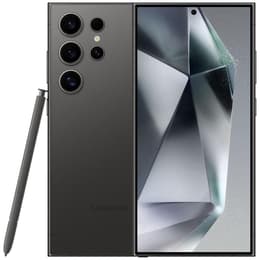
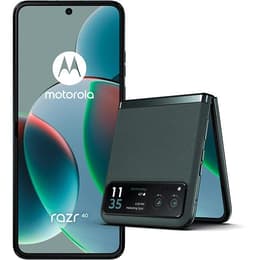
The Samsung Galaxy S24 Ultra, released in January 2024, is a premium smartphone with a traditional slab design, while the Motorola Razr 40, launched in June 2023, offers a distinct foldable clamshell form factor. Both devices run on the Android operating system, but they cater to different user preferences through their unique designs and feature sets.
Available Models
Colour
Storage (GB)
Scores
Durability
The expected practical lifespan and software support differ between these two devices, largely due to their release timelines and manufacturer policies.
- Software Longevity: The Galaxy S24 Ultra, being a newer device, benefits from Samsung's commitment to providing seven years of OS updates and security patches, offering extended software longevity. The Motorola Razr 40, released earlier, typically receives fewer major OS updates, though security updates are provided.
- Physical Durability: The S24 Ultra features a robust titanium frame and Gorilla Armor display glass, contributing to its overall resilience against drops and scratches, along with an IP68 rating for dust and water resistance. The Razr 40, with its foldable design, uses an aluminum frame and a water-repellent coating (IP52), which offers protection against splashes but not full submersion.
- Repairability: While specific repairability scores can vary, the traditional design of the S24 Ultra generally presents a more straightforward repair process compared to the intricate foldable mechanism of the Razr 40.
Release year
2024
2023
Compatible with latest Update
Yes
Yes
Operating system
Android
Android
Foldable
No
Yes
Performance
Performance capabilities vary significantly between the Galaxy S24 Ultra and the Motorola Razr 40, impacting how smoothly they handle demanding applications and multitasking.
- Processing Power: The Galaxy S24 Ultra is equipped with a current-generation processor designed for high-end performance, enabling it to handle intensive gaming, complex AI tasks, and heavy multitasking with ease and responsiveness. The Razr 40 features a processor that provides capable performance for everyday tasks and moderate gaming, but it may show limitations with very demanding applications or prolonged heavy use.
- Multitasking and Storage: The S24 Ultra typically comes with a generous amount of RAM and offers substantial storage options, supporting seamless app switching and ample space for files and applications. The Razr 40 also provides sufficient RAM for smooth multitasking in typical usage and offers standard storage configurations.
- Battery Behavior: The Galaxy S24 Ultra is known for its solid battery life, often lasting a full day or more even with heavy usage. The Razr 40's battery capacity is smaller, which means heavy users might find themselves needing to charge more frequently, though it can still last a full day for moderate users.
Screen quality
The display experience on the Galaxy S24 Ultra and the Motorola Razr 40 differs considerably due to their distinct form factors and display technologies.
- Display Technology and Clarity: The Galaxy S24 Ultra features a large 6.8-inch Dynamic AMOLED 2X display with a QHD+ resolution, offering exceptional sharpness, deep blacks, and vibrant colors. The Motorola Razr 40 has a 6.9-inch foldable P-OLED main display with an FHD+ resolution, providing a smooth viewing experience, and also includes a smaller 1.5-inch OLED cover screen for quick interactions.
- Brightness and Refresh Rate: The S24 Ultra's display can reach very high peak brightness levels, ensuring excellent visibility even in bright outdoor conditions, and features an adaptive refresh rate from 1Hz to 120Hz for smooth scrolling and power efficiency. The Razr 40's main display offers a high 144Hz refresh rate for fluid visuals and good brightness, while its cover screen is suitable for notifications and basic information.
- Viewing Experience: The S24 Ultra provides an expansive, uninterrupted viewing area ideal for media consumption and productivity. The Razr 40's foldable screen offers a compact form factor when closed, making it highly portable, and a large display when unfolded, though the crease is a characteristic of foldable technology.
Resolution
1440 x 3120
1080 x 2640
Screen type
Dynamic LTPO AMOLED 2X
Foldable LTPO AMOLED
Audiovisual
The camera systems on the Galaxy S24 Ultra and the Motorola Razr 40 are designed with different priorities, leading to varied photographic and videographic capabilities.
- Rear Camera System: The Galaxy S24 Ultra boasts a versatile quad-camera setup, including a high-resolution 200MP main sensor, an ultrawide lens, and two telephoto lenses (3x and 5x optical zoom), providing extensive flexibility for various shooting scenarios, including impressive zoom capabilities. The Motorola Razr 40 features a dual-camera system with a 64MP main sensor and a 13MP ultrawide lens, offering solid performance for everyday photography.
- Low-Light and Video Performance: The S24 Ultra excels in low-light conditions, producing detailed and well-exposed images, and offers advanced video recording features, including 8K resolution. The Razr 40 performs adequately in good lighting, but its low-light performance may not match the S24 Ultra, and its video recording capabilities include 4K at 30fps.
- Front Camera and Audio: Both devices feature capable front-facing cameras for selfies and video calls. The S24 Ultra has a 12MP front camera, while the Razr 40 has a 32MP front camera. Both phones offer stereo speakers for media consumption, and their microphones are suitable for calls and basic recording.
Main camera
200 megapixels
64 megapixels
Front camera
12 megapixels
32 megapixels
Miscellaneous
Beyond core features, several practical elements differentiate the Galaxy S24 Ultra and the Motorola Razr 40, influencing daily usability and overall experience.
- Connectivity and Ports: Both devices support 5G connectivity and modern Wi-Fi standards, with the S24 Ultra featuring Wi-Fi 7 and the Razr 40 supporting Wi-Fi 6E. Both utilize a USB-C port for charging and data transfer.
- Biometric Security and Sensors: The Galaxy S24 Ultra incorporates an under-display fingerprint sensor and face recognition for secure unlocking. The Motorola Razr 40 uses a side-mounted fingerprint sensor integrated into the power button, alongside face recognition.
- Design and Handling: The S24 Ultra is a larger, heavier device with a flat display and integrated S Pen, appealing to users who prefer a substantial device for productivity. The Razr 40 is significantly lighter and more compact when folded, making it highly pocketable and suitable for users prioritizing portability and a unique form factor.
Weight
232 oz
189 oz
Screen size (in)
6.8
6.9
Network
5G
5G
SIM card
Physical SIM + eSIM
Physical SIM
Carrier compatibility
Unlocked
Unlocked
What the community thinks
User feedback indicates that the Samsung Galaxy S24 Ultra is widely praised for its exceptional camera system, particularly its zoom capabilities, and its vibrant, bright display. Users also appreciate its robust performance for demanding tasks and its long-lasting battery. Some common criticisms include its large size and weight, which might not suit all users, and occasional reports of display issues or minor software quirks.
The Motorola Razr 40 receives commendation for its distinctive foldable design, offering a compact and portable experience when closed. Its main display's high refresh rate and the utility of its cover screen are also frequently highlighted. However, users sometimes note that its camera performance, especially in low light, may not compete with higher-end devices, and its battery life might require more frequent charging for heavy users.
Users prioritizing a top-tier camera system with extensive zoom, a large and bright display for media and productivity, and long-term software support will find the Galaxy S24 Ultra well-suited to their needs. Conversely, users who value a compact, stylish, and highly portable device with a unique foldable form factor may lean toward the Motorola Razr 40. Both devices offer distinct advantages, and choosing between them depends on individual priorities for daily use. For those considering an eco-friendly alternative, quality-assured refurbished options are available for both models.