
Compare models
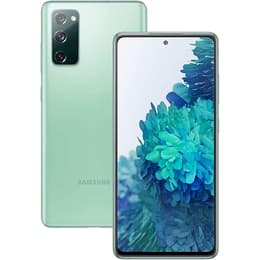
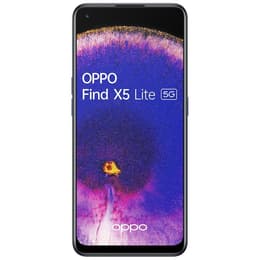
Galaxy S20 FE vs Oppo Find X5 Lite
- 1-year warranty
- Free standard shipping
- Free 30-day returns
Differences at a glance
The Samsung Galaxy S20 FE (2020) and the Oppo Find X5 Lite (2022) are popular choices for users seeking capable smartphones with balanced features. While the Galaxy S20 FE leans toward a performance-focused experience with expandable storage and a flagship-heritage build, the Oppo Find X5 Lite emphasizes rapid charging, a lightweight profile, and a modern software interface released two years later. Operating on Android for both models, these devices cater to practical everyday users, though their core hardware approaches differ significantly.
Available Models
Colour
Storage
Scores
Durability
When evaluating the longevity and build endurance of these two devices, release timelines and software update schedules play a central role in long-term usability.
- Software Support and Age: The Oppo Find X5 Lite benefits from a newer 2022 release date, offering an extended window of software and security updates compared to the older 2020 release timeline of the Galaxy S20 FE.
- Repairability and Build: Both devices feature standard smartphone repair structures with accessible global service networks, though finding components for the Galaxy S20 FE may become easier over time due to its higher initial market distribution.
- Expected Lifespan: Users can anticipate several more years of reliable daily operation from both handsets, with the Oppo model holding a slight advantage in software currency.
Release year
2020
2022
Compatible with latest Update
No
No
Operating system
Android
Android
Foldable
No
No
Performance
Daily responsiveness, multitasking capabilities, and energy management vary due to the distinct internal hardware choices implemented by each manufacturer.
- Multitasking and App Speed: Both devices handle standard web browsing, messaging, and streaming smoothly, though the Galaxy S20 FE provides an extra tier of processing overhead for demanding mobile games and heavy productivity apps.
- Battery Behavior: The Galaxy S20 FE includes a slightly larger battery capacity that sustains long mixed-use days, whereas the Oppo Find X5 Lite compensates with significantly faster charging speeds to minimize time tethered to a wall outlet.
- Storage Options: The Galaxy S20 FE stands out by supporting expandable storage via microSD cards, offering flexibility for media collections, while the Oppo Find X5 Lite relies entirely on its fixed internal storage capacity.
Screen quality
Display characteristics impact everything from outdoor readability to media consumption comfort during long viewing sessions.
- Display Technology: Both models utilize vibrant OLED panels that deliver deep contrast levels and rich color reproduction, making them well-suited for watching videos and viewing photos.
- Refresh Rate and Smoothness: The Galaxy S20 FE features a higher refresh rate for smoother scrolling through social media feeds and menus, while the Oppo Find X5 Lite utilizes a standard refresh rate that remains entirely adequate for everyday navigation.
- Brightness and Size: Both screens offer sufficient peak brightness for outdoor daylight visibility, with similar physical screen footprints that balance pocketability with comfortable media viewing space.
Resolution
1080 x 2400
1080 x 2400
Screen type
Super AMOLED
AMOLED
Audiovisual
Photography and media capture capabilities vary in configuration, offering different strengths for everyday snapshots, low-light environments, and video recording.
- Lens Configuration: The Galaxy S20 FE includes a dedicated telephoto lens for optical zoom capabilities, whereas the Oppo Find X5 Lite focuses on macro and ultra-wide versatility paired with specialized portrait software filters.
- Low-Light and Video Performance: Both devices capture clear images in standard daylight conditions, though processing differences mean the Galaxy S20 FE handles fast-moving subjects more reliably in low-light environments.
- Audio and Media Output: The Galaxy S20 FE features stereo speakers for balanced media playback, while the Oppo Find X5 Lite provides clear single-speaker audio and reliable microphone clarity for voice calls and video meetings.
Main camera
12 megapixels
64 megapixels
Front camera
32 megapixels
32 megapixels
Miscellaneous
Practical daily usability elements such as connectivity standards, physical dimensions, and biometric sensors shape the overall ownership experience.
- Connectivity and Ports: Both handsets support 5G mobile networks, modern Wi-Fi standards, and Bluetooth pairing, utilizing reversible USB-C ports for charging and data transfer.
- Physical Handling: The Oppo Find X5 Lite is noticeably lighter and thinner, making it comfortable for single-handed use, whereas the Galaxy S20 FE carries a slightly heavier, robust chassis with an official water-resistance rating.
- Biometrics: Each device incorporates secure unlocking methods through under-display fingerprint sensors and facial recognition features for quick access.
Weight
108 oz
173 oz
Screen size (in)
6.5
6,43
Network
4G
5G
SIM card
Physical SIM
Physical SIM
Carrier compatibility
Unlocked
Unlocked
What the community thinks
Community discussions across online tech forums highlight distinct preferences for each device based on everyday user habits. Users frequently praise the Galaxy S20 FE for its robust processing headroom, inclusion of expandable storage, and dedicated zoom camera capabilities. At the same time, owners of the Oppo Find X5 Lite commonly highlight its lightweight handling, modern interface layout, and rapid charging speeds as major daily conveniences.
Users who prioritize multimedia storage flexibility, smoother scrolling, and heavier gaming performance may prefer the Galaxy S20 FE. Conversely, users who favor a lighter physical design, a newer release year with longer software lifespan, and rapid charging times will find the Oppo Find X5 Lite well-suited to their needs. For consumers looking to make a sustainable choice, choosing a quality-assured refurbished option from Back Market provides an eco-friendly alternative that extends the lifecycle of these electronics without compromising reliability.