
Compare models
Galaxy A56 vs Galaxy Z Fold4
- 1-year warranty
- Free standard shipping
- Free 30-day returns
Differences at a glance
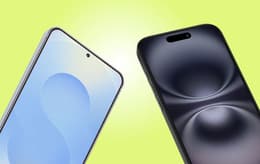
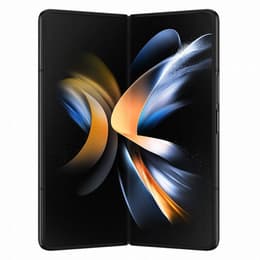
The Samsung Galaxy A56 (2025) and the Samsung Galaxy Z Fold4 (2022) represent two entirely different approaches to mobile device engineering within the smartphone market. While the Galaxy A56 adopts a traditional, slate-style form factor built for everyday reliability, the Galaxy Z Fold4 pioneers a dual-screen foldable design that transforms from a standard phone into a tablet-sized workspace. These distinct structural formats cater to entirely different user preferences regarding daily utility and physical interaction.
Available Models
Colour
Storage
Scores
Durability
Evaluating the long-term viability of these devices involves balancing their release timelines against official software support commitments and physical construction robustness.
- Release timeline and software support: The Galaxy A56 benefits from a more recent release year, granting it an extended software update window compared to the older Galaxy Z Fold4.
- Physical construction durability: The Galaxy A56 utilizes a rigid glass and metal slate body with standardized water resistance, whereas the Galaxy Z Fold4 incorporates complex mechanical hinges and a flexible inner screen requiring careful handling over years of use.
- Expected practical lifespan: Users can anticipate a straightforward, predictable hardware lifecycle from the slate model, while the foldable alternative demands adherence to specialized care guidelines to maintain mechanical longevity.
Release year
2025
2022
Operating system
Android
Android
Foldable
No
Yes
Performance
Underneath their distinct exteriors, both smartphones handle day-to-day multitasking, application loading, and gaming through capable internal hardware configurations.
- System responsiveness and multitasking: Both devices manage routine applications, web browsing, and switching between multiple active tasks smoothly, though the foldable model features specialized software adaptations for running multiple side-by-side window layouts.
- Battery behavior: The Galaxy A56 features a standard single-cell battery capacity designed to comfortably clear a full day of mixed usage, while the Galaxy Z Fold4 powers two separate display panels, resulting in faster energy depletion during extensive use of the larger inner screen.
- Storage configurations: Both options offer generous internal storage tiers to accommodate large media libraries, applications, and documents without requiring immediate cloud offloading.
Screen quality
The visual experience serves as the most prominent differentiator between a conventional single-screen device and a folding multi-panel layout.
- Display technology and format: The Galaxy A56 features a flat, vibrant OLED panel with a consistent viewing surface, whereas the Galaxy Z Fold4 unfolds to reveal a massive, tablet-sized flexible OLED screen alongside a secondary cover display for quick interactions.
- Refresh rate and fluidity: Both models support high refresh rates, ensuring smooth scrolling through feeds, fluid animation transitions, and responsive touch tracking during navigation.
- Outdoor visibility: High peak brightness levels on both devices allow content, text, and images to remain legible when used under direct sunlight or bright ambient lighting conditions.
Resolution
1080 x 2340
1812 x 2176
Audiovisual
Optics and media consumption capabilities vary based on how each device integrates its camera hardware and audio speaker arrays.
- Camera system versatility: Both smartphones are equipped with multi-lens rear camera arrays capable of capturing detailed everyday photography, wide-angle landscapes, and stable high-definition video recordings.
- Low-light and specialized capture: Image processing software on both models helps balance challenging lighting conditions, though differing sensor sizes yield unique aesthetic results for night photography and portrait framing.
- Media and audio output: Stereo speaker setups deliver clear sound for video calls and casual media streaming, with the foldable model providing an immersive widescreen canvas for viewing movies when fully opened.
Miscellaneous
Practical daily usability elements, physical dimensions, and connectivity standards shape how each device fits into routine travel and work habits.
- Connectivity and ports: Both models support modern 5G cellular networks, rapid Wi-Fi standards, and reliable Bluetooth pairing alongside a reversible USB-C port for charging and data transfer.
- Physical dimensions and handling: The Galaxy A56 maintains a slim, lightweight profile that rests easily in one hand or a standard pocket, while the Galaxy Z Fold4 is heavier and thicker when folded due to its multi-layer folding screen mechanics.
- Authentication sensors: Secure device unlocking is handled via responsive biometric sensors, utilizing either an in-display fingerprint reader or facial recognition technology depending on user preference.
Weight
200 oz
282 oz
Screen size (in)
6.7
7.6
Network
4G
5G
SIM card
Physical SIM + eSIM
Physical SIM + eSIM
Carrier compatibility
Unlocked
Unlocked
What the community thinks
Choosing between the Samsung Galaxy A56 and the Samsung Galaxy Z Fold4 depends entirely on individual workflow priorities and form-factor preferences. Users who prioritize a lightweight, traditional smartphone design with robust everyday battery endurance and a straightforward hardware experience will find the Galaxy A56 well-suited to their routine needs. Conversely, mobile professionals and multitasking enthusiasts who value a sprawling tablet-style workspace for productivity apps and split-screen viewing may lean toward the expansive capabilities of the Galaxy Z Fold4.
Reviewers and community members frequently praise the Galaxy A56 for its dependable daily performance and balanced feature set, while discussions surrounding the Galaxy Z Fold4 often center on the versatility of its dual-screen interface balanced against its heavier folded thickness. For consumers seeking a sustainable choice, exploring a quality-assured refurbished option provides an eco-friendly alternative that extends device lifecycles without compromising on performance standards. Ultimately, aligning your choice with how you interact with your mobile device on a daily basis ensures satisfaction with either model.