
Compare models

Galaxy A34 vs Galaxy S23

  • 1-year warranty
  • Free standard shipping
  • Free 30-day returns
Galaxy A34
Starting at

Refurbished price:A$205.00

Versus A$476.00 new

See options
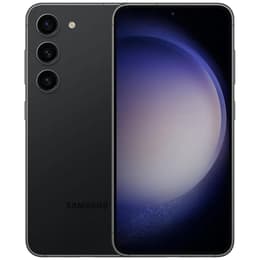
Galaxy S23
Starting at

Refurbished price:A$379.00

Versus A$1,379.00 new

See options

Differences at a glance

The Samsung Galaxy A34 and the Samsung Galaxy S23 are Android-powered smartphones released in early 2023. While they share the same launch year, they belong to different product tiers, with the Galaxy A34 positioned as a balanced mid-range option and the Galaxy S23 serving as a compact flagship device. Both models run the Android operating system paired with Samsung's custom interface, though they differ significantly in processing power, physical dimensions, and target user experience. Understanding these core distinctions helps clarify which device fits specific daily requirements.

Available Models

Colour

Storage

Scores

Durability

When evaluating structural longevity and software support, both devices offer extensive update lifelines backed by Samsung's multi-year firmware commitment, though hardware durability varies by material grade.

  • Software longevity: Both smartphones receive long-term operating system updates and security patches, ensuring modern software features remain accessible for years following their release.
  • Build protection: The Galaxy S23 utilizes advanced glass panels and an armor aluminum frame with higher drop resistance, whereas the Galaxy A34 employs reinforced plastic framing alongside durable front glass.
  • Repair practicality: Standard component replacements and battery swaps are widely supported through authorized service channels for both model lines, helping extend practical usage spans.

Release year

2023

2023

Compatible with latest Update

Yes

Yes

Operating system

Android

Android

Foldable

No

No

Performance

Underneath the exterior, the two phones handle everyday applications and multitasking with distinct capability levels shaped by their respective internal architectures.

  • System responsiveness: The Galaxy S23 handles demanding gaming and intensive background multitasking smoothly, while the Galaxy A34 manages daily messaging, media streaming, and standard productivity apps reliably.
  • Storage capacity: Both models offer scalable internal storage variants, though select configurations on the Galaxy A34 support expandable storage via a microSD card slot.
  • Power management: The Galaxy A34 combines a larger physical battery capacity with an energy-efficient processor to deliver extended daily runtimes, whereas the Galaxy S23 relies on optimized power efficiency to match typical daily usage demands.

Screen quality

Display characteristics differ notably in physical footprint and panel technology, impacting media viewing and outdoor visibility.

  • Display panels: The Galaxy S23 features a vibrant Dynamic AMOLED display with crisp detail, while the Galaxy A34 uses a slightly larger Super AMOLED panel suited for expansive viewing.
  • Refresh rate smoothness: Both devices support a high refresh rate up to 120Hz, ensuring fluid scrolling through web pages, documents, and user interfaces.
  • Outdoor visibility: High peak brightness levels on both screens allow for clear legibility when using the devices under direct sunlight or bright ambient lighting.

Resolution

1080 x 2340

1080 x 2340

Screen type

Super AMOLED

Dynamic AMOLED 2X

Audiovisual

Optics and multimedia configurations vary to accommodate casual photography enthusiasts as well as users seeking advanced focal versatility.

  • Camera systems: The Galaxy S23 includes a versatile triple-lens array featuring a dedicated telephoto lens for optical zoom, while the Galaxy A34 offers a primary wide sensor, an ultra-wide lens, and a macro shooter.
  • Low-light performance: Advanced image processing on the Galaxy S23 captures sharper details in dimly lit environments, whereas the Galaxy A34 delivers dependable daytime photography results.
  • Audio output: Both models are equipped with stereo speakers that provide clear sound quality for hands-free calls, video streaming, and casual media consumption.

Main camera

48 megapixels

50 megapixels

Front camera

13 megapixels

12 megapixels

Miscellaneous

Practical everyday elements such as connectivity standards, physical dimensions, and biometric security shape the overall handling experience.

  • Connectivity standards: Both smartphones support fast 5G cellular networks, modern Wi-Fi protocols, and Bluetooth connectivity for wireless accessories.
  • Physical handling: The Galaxy S23 offers a lighter, more compact form factor that fits easily into smaller pockets and one-handed grips, while the Galaxy A34 provides a larger chassis footprint.
  • Biometric security: Both devices feature responsive under-display fingerprint sensors and secure facial recognition options for quick device unlocking.

Weight

199 oz

167 oz

Screen size (in)

6,6

6.1

Network

5G

5G

SIM card

Physical SIM

Dual Physical SIM + eSIM

Carrier compatibility

Unlocked

Unlocked

What the community thinks

User discussions and community feedback indicate that the Samsung Galaxy S23 receives frequent praise for its compact dimensions, premium build materials, and powerful processing capability, though some users note that its smaller battery requires more frequent charging during heavy use. Conversely, the Galaxy A34 earns consistent appreciation for its reliable daily battery endurance and expansive display size, with occasional observations pointing to its larger plastic frame.

Users prioritizing a compact form factor, high-end photography flexibility, and robust processing power for demanding tasks will find the Galaxy S23 well-suited to their needs. On the other hand, users prioritizing a larger viewing screen, expanded storage flexibility, and long-lasting daily battery performance may lean toward the Galaxy A34. Selecting a quality-assured refurbished option through sustainable platforms like Back Market provides an eco-friendly alternative for acquiring either device without compromising on performance reliability.