
Galaxy A14 vs Motorola Moto G53

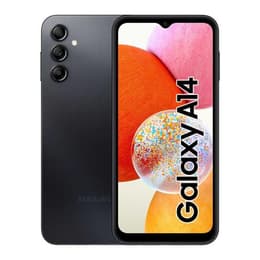
Galaxy A14
Galaxy A14
Starting at

Refurbished price:A$216.00

Versus A$390.00 new

See options
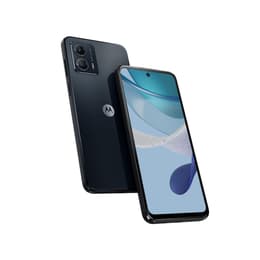
Motorola Moto G53
Motorola Moto G53
Starting at

Refurbished price:A$203.77

Versus A$975.00 new

See options

The Samsung Galaxy A14 and the Motorola Moto G53, both released in 2023 and late 2022 respectively, are smartphones designed for users seeking reliable daily performance. Both devices run on the Android operating system, offering distinct user interfaces: Samsung's One UI Core and Motorola's My UX. Key differences emerge in their display technologies, software support commitments, and camera configurations, catering to varying user preferences.

Scores

Durability

When considering the long-term usability of these devices, their release timelines and software support policies are important factors.

  • Release and Software Updates: The Samsung Galaxy A14 (5G variant) was released in January 2023, while the Motorola Moto G53 launched in December 2022. Samsung typically provides two major Android OS updates and four years of security updates for the Galaxy A14 5G, meaning it is expected to receive Android 14 and Android 15, with security patches extending until 2027. In contrast, Motorola generally offers one major OS update and two to three years of security patches for its G-series phones. The Moto G53 has already received its Android 14 update.
  • Physical Durability: Both phones feature plastic frames and backs. The Motorola Moto G53 includes a water-repellent design with an IP52 rating, providing protection against splashes and light dust. The Samsung Galaxy A14 does not carry an official IP rating, indicating it is not certified for water or dust resistance.
  • Practical Lifespan: Users prioritising extended software longevity and security updates may find the Galaxy A14's policy more appealing for a longer practical lifespan. The Moto G53's splash resistance offers a degree of everyday protection.

Release year

2023

2022

Compatible with latest Update

No

Yes

Operating system

Android

Android

Foldable

No

No

Performance

The performance of a smartphone is largely determined by its internal components and how efficiently they handle daily tasks.

  • Processing Power: The Samsung Galaxy A14 5G is powered by a processor designed for efficient performance in its category, handling everyday applications and moderate multitasking. The Motorola Moto G53 features a processor that provides smooth operation for general use and 5G connectivity. Users report that both devices manage common apps and web browsing without significant issues.
  • Multitasking and Storage: Both devices are available with various RAM configurations, typically starting from 4GB, which supports a reasonable number of applications running simultaneously. Storage options for both models generally include 64GB and 128GB, with expandable storage via a microSD card slot, allowing users to increase space for photos, videos, and apps.
  • Real-world Responsiveness: While both phones are capable for daily use, some users of the Galaxy A14 have noted occasional lags or stutters when opening and closing apps, suggesting that heavy usage or demanding applications might push its limits. The Moto G53 is generally described as responsive for normal tasks, though not designed for intensive gaming.

Memory (GB)

4 GB

8 GB

Screen quality

The display is a primary interface for user interaction, and both devices offer different characteristics.

  • Display Technology and Size: Both the Samsung Galaxy A14 and the Motorola Moto G53 feature LCD panels. The Galaxy A14 has a 6.6-inch PLS LCD screen, while the Moto G53 offers a slightly smaller 6.5-inch IPS LCD.
  • Resolution and Clarity: The Galaxy A14 provides a Full HD+ resolution (1080 x 2408 pixels), resulting in sharper images and text. The Moto G53 has an HD+ resolution (720 x 1600 pixels), which, while lower, is complemented by a higher refresh rate.
  • Refresh Rate and Brightness: The Galaxy A14 5G typically offers a 90Hz refresh rate, providing a smoother scrolling experience than standard 60Hz displays. The Moto G53 stands out with a 120Hz refresh rate, contributing to a very fluid visual experience, particularly during scrolling and animations. However, some users have noted that the Galaxy A14's LCD display can be dim for outdoor use.

Resolution

1080 x 2408

720x1600

Screen type

PLS LCD

IPS LCD

Audiovisual

Camera capabilities are a significant consideration for many smartphone users, and these devices offer different photographic experiences.

  • Rear Camera Systems: Both the Samsung Galaxy A14 and Motorola Moto G53 feature a 50-megapixel main camera sensor, capable of capturing detailed images in good lighting conditions. The Galaxy A14 (4G variant) also includes a 5-megapixel ultrawide lens and a 2-megapixel macro sensor, along with a 2-megapixel depth sensor. However, the 5G variant of the A14 often omits the ultrawide lens, featuring only the main, macro, and depth sensors. The Moto G53 pairs its main camera with a 2-megapixel macro lens, lacking an ultrawide option.
  • Low-light and Everyday Photography: User reviews suggest that the main cameras on both phones perform well in daylight, producing clear and natural-looking photos. In low-light conditions, both devices may struggle, with images showing more noise and less detail.
  • Video Recording and Front Camera: Both phones support video recording at 1080p resolution at 30 frames per second. For selfies, the Galaxy A14 has a 13-megapixel front camera, while the Moto G53 typically features an 8-megapixel front camera.
  • Audio Experience: The Moto G53 is noted for having dual speakers with pleasing audio quality, enhancing media consumption.

Main camera

50 megapixels

50 megapixels

Front camera

13 megapixels

8 megapixels

Miscellaneous

Beyond core features, several practical elements contribute to the overall user experience.

  • Connectivity and Ports: Both the Galaxy A14 and Moto G53 offer 5G connectivity, ensuring access to faster mobile data speeds. They also support Wi-Fi 5 and Bluetooth 5.1 or 5.2. Both devices include a USB-C 2.0 port for charging and data transfer, and importantly, retain a 3.5mm headphone jack. The Galaxy A14 5G also includes NFC for contactless payments in some regions.
  • Biometrics and Design: Both smartphones feature a side-mounted fingerprint sensor for secure unlocking. The Galaxy A14 measures 167.7 x 78 x 9.1 mm and weighs around 201-202g. The Moto G53 is slightly more compact and lighter at 162.7 x 74.7 x 8.2 mm and 183g. These differences in dimensions and weight can impact handling and pocketability.
  • Build Materials: Both devices are constructed with plastic for their back panels and frames, which contributes to their lighter weight. The Moto G53's water-repellent design offers a minor advantage in everyday resilience.

Weight

201 oz

183 oz

Screen size (in)

6.6

6.5

Network

4G

5G

SIM card

Physical SIM

Dual Physical SIM

Carrier compatibility

Unlocked

Unlocked

The Samsung Galaxy A14 and Motorola Moto G53 both present compelling options for users seeking capable smartphones without advanced features. User feedback often praises the Galaxy A14 for its strong battery life and decent main camera performance, particularly in good lighting. However, some users have expressed concerns about its performance sometimes feeling sluggish and the display being less vibrant outdoors.

The Motorola Moto G53 receives positive remarks for its smooth 120Hz display, even with its lower resolution, and its clean Android software experience. Its battery life is also consistently highlighted as a strong point, and the main camera is considered good for everyday snapshots. Criticisms often point to the lower display resolution and the absence of an ultrawide camera.

Users prioritizing a sharper display resolution and a longer commitment to software updates may find the Samsung Galaxy A14 more aligned with their needs. Conversely, those who value a smoother screen refresh rate, a slightly more compact and lighter design, and a clean Android interface might lean towards the Motorola Moto G53. Both devices offer robust battery life, making them suitable for users who need a phone to last through a full day of use.

For those considering these models, exploring quality-assured refurbished options can provide an eco-friendly alternative, extending the life cycle of these devices while offering a reliable user experience.

See all articles

Our recent comparisons