Galaxy A14 vs Galaxy A23 5G

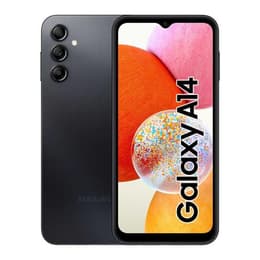
Galaxy A14
Galaxy A14
Starting at

Refurbished price:A$216.00

Versus A$390.00 new

See options
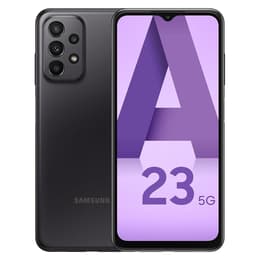
Galaxy A23 5G
Galaxy A23 5G
Starting at

Refurbished price:A$219.00

Versus A$457.00 new

See options

Ratings

The Samsung Galaxy A14 and the Samsung Galaxy A23 5G are both smartphones designed to offer a balanced user experience within Samsung's A-series. Released in January 2023 and September 2022 respectively, these devices share the Android operating system with Samsung's One UI interface, providing a consistent software experience. Key differentiators lie in their display refresh rates, camera configurations, and charging capabilities.

Scores

Durability

When considering the long-term usability of a smartphone, factors such as software support and ease of repair are important.

  • Release Timeline: The Galaxy A23 5G was released in September 2022, making it slightly older than the Galaxy A14, which launched in January 2023. This difference in release dates can influence the duration of future software support.
  • Software Longevity: Both devices launched with different Android versions; the Galaxy A14 with Android 13 and the Galaxy A23 5G with Android 12. Samsung typically provides two major Android OS upgrades for these models. The Galaxy A14 is expected to receive updates up to Android 15, and the Galaxy A23 5G has also been updated to Android 15. Both devices are slated to receive four years of security updates from their respective launch dates. This means the Galaxy A14 will receive security patches until early 2027, while the Galaxy A23 5G will receive them until late 2026.
  • Repairability: The Galaxy A14 demonstrates a higher repairability score of 8 out of 10. This is partly due to its design, which includes an adhesive pull tab for easier battery replacement, a feature that simplifies repairs for users and technicians. The Galaxy A23 5G has a repairability score of 6.75 out of 10, with battery removal requiring isopropyl alcohol and adhesive.

Release year

2023

2022

Compatible with latest Update

No

Yes

Operating system

Android

Android

Foldable

No

No

Performance

The performance of these smartphones impacts daily responsiveness, app handling, and multitasking efficiency.

  • Storage and RAM: Both the Galaxy A14 and Galaxy A23 5G offer multiple configurations, typically starting with 64 GB or 128 GB of internal storage and 4 GB, 6 GB, or 8 GB of RAM. Both models also support expandable storage via a microSD card, allowing users to increase capacity by up to 1 TB.
  • Everyday Responsiveness: The Galaxy A23 5G, powered by a current-generation processor, generally offers a smoother experience for everyday tasks and can handle demanding applications and multitasking with good responsiveness. Users of the Galaxy A14 may experience occasional lags and stutters, particularly when opening and closing apps or engaging in more intensive use.
  • Battery Behavior: Both devices are equipped with a 5000 mAh battery. This large battery capacity typically translates to extended usage times, with many users reporting that both phones can last through a full day of heavy use or up to two days with moderate usage. The Galaxy A23 5G supports faster wired charging at 25W, compared to the Galaxy A14's 15W charging.

Memory (GB)

4 GB

4 GB

Screen quality

The display is a primary interface for smartphone interaction, influencing visual clarity and user experience.

  • Display Technology and Resolution: Both the Galaxy A14 and Galaxy A23 5G feature a 6.6-inch PLS LCD display with a Full HD+ resolution of 1080x2408 pixels. This resolution provides clear and sharp visuals for general content consumption, web browsing, and social media.
  • Refresh Rate: A notable difference is the screen's refresh rate. The Galaxy A23 5G offers a 120 Hz refresh rate, which results in smoother scrolling and more fluid animations, enhancing the overall visual experience. The Galaxy A14 features a 90 Hz refresh rate, which is still an improvement over standard 60 Hz displays but not as fluid as the A23 5G.
  • Brightness and Protection: Both displays offer adequate brightness for indoor use, though the Galaxy A14's screen may appear dim in bright outdoor conditions. The Galaxy A23 5G benefits from Gorilla Glass 5 protection, offering enhanced durability against scratches and minor drops.

Resolution

1080 x 2408

1080 x 2408

Screen type

PLS LCD

PLS LCD

Audiovisual

Camera capabilities are a significant consideration for many users, impacting the quality of photos and videos captured.

  • Rear Camera System: Both smartphones feature a 50 MP main wide-angle camera with an f/1.8 aperture. The Galaxy A23 5G distinguishes itself by including a 5 MP ultra-wide-angle camera, a feature absent on the Galaxy A14 5G model. Both also include 2 MP macro and 2 MP depth sensors. The main camera on the Galaxy A23 5G also benefits from Optical Image Stabilisation (OIS), which helps in reducing blur from camera shake, particularly in challenging lighting conditions.
  • Photography Performance: In good lighting, both devices capture detailed and vibrant photos with their main sensors. The Galaxy A23 5G's ultra-wide lens provides more versatility for landscape and group shots. Low-light performance is generally acceptable for both, though dedicated night modes may produce softer images. The Galaxy A14's image processing can sometimes over-saturate colors.
  • Video Recording and Audio: Both phones support Full HD (1080p) video recording at 30 frames per second from both front and rear cameras. The Galaxy A23 5G's main camera offers good video quality with accurate colors and decent dynamic range. Both devices include a 3.5mm headphone jack and a single bottom-firing speaker, providing clear audio for media consumption.

Main camera

50 megapixels

50 megapixels

Front camera

13 megapixels

8 megapixels

Miscellaneous

Beyond core features, several practical elements contribute to the overall user experience and device utility.

  • Connectivity: Both the Galaxy A14 and Galaxy A23 5G support 5G cellular connectivity, enabling faster mobile data speeds where available. They also feature Wi-Fi 802.11 a/b/g/n/ac (dual-band) and Bluetooth 5.1 (A23 5G) or 5.2 (A14 5G) for wireless connections. NFC is present on both for contactless payments and quick pairing.
  • Ports and Sensors: Both devices include a USB Type-C 2.0 port for charging and data transfer, along with a 3.5mm headphone jack. For security, both integrate a side-mounted fingerprint sensor. Other sensors like an accelerometer, gyroscope, and proximity sensor are also common to both.
  • Design and Build Materials: Both phones feature a plastic construction, which contributes to their lighter weight and can offer some resilience against minor impacts. The Galaxy A14 has dimensions of 167.7 x 78 x 9.1 mm and weighs 201 g. The Galaxy A23 5G is slightly more compact and lighter at 165.4 x 76.9 x 8.4 mm and approximately 197 g.

Weight

201 oz

197 oz

Screen size (in)

6.6

6.6

Network

4G

5G

SIM card

Physical SIM

Physical SIM

Carrier compatibility

Unlocked

Unlocked

The Samsung Galaxy A14 and Galaxy A23 5G both offer compelling features for users seeking a reliable Android smartphone. User feedback often highlights the excellent battery life of both models, capable of lasting for extended periods on a single charge. The main cameras on both devices are generally praised for their performance in good lighting conditions, capturing clear and detailed images.

However, some users have noted that the Galaxy A14 can exhibit performance lags and stutters during everyday use, particularly with multiple applications open. The display on the A14 can also be challenging to view in bright outdoor environments. For the Galaxy A23 5G, while generally well-received, some users have reported occasional sluggishness or heating, especially with lower RAM configurations.

Users prioritizing a smoother visual experience and slightly faster charging may find the Galaxy A23 5G more appealing due to its 120 Hz display and 25W charging capability. Its inclusion of an ultra-wide camera also offers greater photographic versatility. Conversely, users who value easier long-term maintenance and repairability might lean towards the Galaxy A14, given its higher repairability score and design features that simplify battery replacement. Both devices represent solid choices, and considering a quality-assured refurbished option for either model can be an eco-friendly alternative.


See all articles

Our recent comparisons