
Compare models
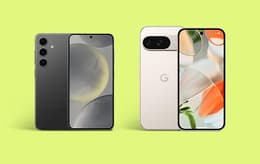
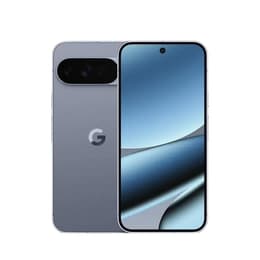
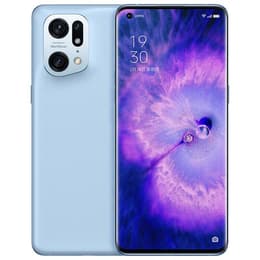
Google Pixel 10 Pro XL vs Oppo Find X5 Pro
- 1-year warranty
- Free standard shipping
- Free 30-day returns
Differences at a glance
The Google Pixel 10 Pro XL (2025) and the Oppo Find X5 Pro (2022) represent two different generations of advanced smartphones equipped with expansive high-end displays and sophisticated camera systems. While the Google Pixel 10 Pro XL benefits from a more recent release year and updated software integration, the Oppo Find X5 Pro offers established flagship performance and distinctive design elements.
Choosing between these two devices involves weighing the advantages of newer generation software longevity against alternative hardware designs, as both run on the Android operating system with custom manufacturer user interfaces.
Available Models
Colour
Storage
Scores
Durability
Software update longevity and physical durability shape the practical lifespan of both smartphones, with release timelines playing a significant role in long-term support.
- Software longevity: The Google Pixel 10 Pro XL benefits from an extended multi-year update commitment running several years past its release, while the Oppo Find X5 Pro operates closer to the middle of its scheduled software support lifecycle.
- Repairability and build: Both models utilize sturdy aluminum frames and reinforced glass backs, with standardized repair pathways available through certified service networks to support long-term use.
- Expected lifespan: Users selecting the Google Pixel 10 Pro XL can anticipate software updates stretching further into the future, whereas the Oppo Find X5 Pro provides reliable daily functionality matching its launch generation standards.
Release year
2025
2022
Operating system
Android
Android
Foldable
No
No
Performance
Daily operation, multitasking, and battery endurance vary according to the internal hardware configuration and power optimization of each device.
- Multitasking and responsiveness: Both devices handle demanding applications, split-screen workflows, and mobile gaming smoothly, though the Google Pixel 10 Pro XL utilizes a newer processor generation for faster app loading transitions.
- Battery behavior: The Google Pixel 10 Pro XL features a large capacity cell designed to comfortably clear a full day of mixed usage, while the Oppo Find X5 Pro delivers reliable daily runtime supplemented by rapid wired and wireless charging capabilities.
- Storage capacity: Generous internal storage options on both models accommodate extensive photo libraries, offline media, and large applications without requiring external expansion cards.
Screen quality
Display characteristics differ in panel technology and peak brightness levels, directly influencing media viewing and outdoor visibility.
- Panel technology and clarity: Both smartphones feature expansive OLED displays with high resolutions, producing deep black levels, high contrast ratios, and sharp text rendering for reading or browsing.
- Outdoor visibility: The Google Pixel 10 Pro XL reaches higher peak outdoor brightness levels for improved legibility under direct sunlight, while the Oppo Find X5 Pro maintains clear visibility during typical daylight conditions.
- Refresh rate: Adaptive high refresh rate support on both models ensures smooth scrolling through web pages and fluid animations throughout the user interface.
Resolution
1344x2992
1440 x 3216
Audiovisual
Photography and media recording capabilities rely on multi-lens rear setups and integrated processing software to handle diverse lighting scenarios.
- Camera systems: Both devices offer versatile multi-lens configurations including main, ultra-wide, and telephoto or macro options, capturing detailed everyday scenes and expansive landscapes.
- Low-light performance: Advanced computational photography on the Google Pixel 10 Pro XL excels at balancing challenging night scenes, whereas the Oppo Find X5 Pro utilizes specialized image processing hardware to maintain color accuracy in dim environments.
- Audio and video: High-definition video recording features robust stabilization on both models, complemented by clear microphone arrays for calls and stereo speakers that provide balanced sound output during media playback.
Miscellaneous
Physical dimensions, connectivity standards, and biometric security features determine everyday handling ergonomics and accessory compatibility.
- Connectivity and ports: Both smartphones support modern 5G cellular networks, high-speed Wi-Fi standards, and Bluetooth connections, utilizing reversible USB-C ports for charging and data transfer.
- Biometric security: Secure authentication is handled via responsive under-display fingerprint sensors and facial recognition systems on both devices.
- Handling and materials: The Google Pixel 10 Pro XL features a structured camera bar design and matte finish for secure grip, while the Oppo Find X5 Pro incorporates a seamless ceramic or glass rear contour that curves gently into the hand.
Weight
232 oz
218 oz
Screen size (in)
6.8
6.7
Network
5G
5G
SIM card
Physical SIM + eSIM
Physical SIM + eSIM
Carrier compatibility
Unlocked
Unlocked
What the community thinks
Community discussions indicate that users appreciate the Google Pixel 10 Pro XL for its consistent software updates, dependable battery management, and advanced computational photo processing. Common points of discussion for this model center around its larger physical footprint and distinct camera bar aesthetic. Meanwhile, owners of the Oppo Find X5 Pro frequently highlight its rapid charging speeds, premium ceramic or glass build textures, and curved screen design, though some note that its software update window is closer to completion compared to newer alternatives.
Users prioritizing long-term software support and streamlined daily assistance may prefer the Google Pixel 10 Pro XL, while users valuing distinctive physical materials and rapid charging speeds will find the Oppo Find X5 Pro well-suited to their needs. For those seeking a quality-assured refurbished option, exploring eco-friendly alternatives on Back Market provides a sustainable path to acquiring either device. Ultimately, the choice depends on which feature set aligns more closely with daily usage habits and personal preferences.