
Compare models
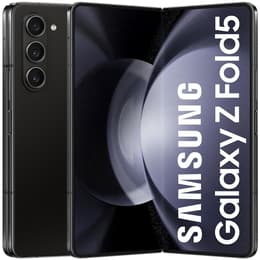
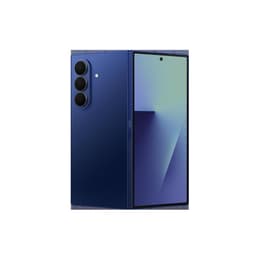
Galaxy Z Fold5 vs Galaxy Z Fold7
- 1-year warranty
- Free standard shipping
- Free 30-day returns
Differences at a glance
The Samsung Galaxy Z Fold5 (2023) and Galaxy Z Fold7 (2025) represent two distinct generations of book-style foldable smartphones. While both devices offer dual-screen layouts that bridge the gap between phone and tablet usage, the newer model introduces a significantly refined physical design, upgraded display dimensions, and enhanced processing capabilities. Both models operate on the Android platform with Samsung's custom interface overlay. This comparison examines how their core differences influence everyday usability.
Available Models
Colour
Storage
Scores
Durability
Evaluating structural longevity and software support helps determine how well each device maintains its utility over years of regular handling.
- Release timeline and software support: The Galaxy Z Fold7 benefits from a newer release year, providing a longer window of scheduled Android OS updates and security patches compared to the older Galaxy Z Fold5.
- Build durability and materials: Both models utilize foldable glass technology and robust aluminum frames, though the newer Galaxy Z Fold7 features an optimized hinge mechanism and a thinner chassis profile that alters daily wear characteristics.
- Expected practical lifespan: Routine software maintenance and solid hardware construction ensure both foldables remain viable for multi-year daily use, with the newer release offering extended software relevance.
Release year
2023
2025
Operating system
Android
Android
Foldable
Yes
Yes
Performance
System responsiveness and power management dictate how smoothly each foldable handles heavy multitasking, media consumption, and daily utilities.
- Multitasking and app switching: The Galaxy Z Fold7 handles demanding apps, split-screen multitasking, and resource-heavy workflows with greater speed headroom thanks to its current-generation internal architecture.
- Battery behavior: Both devices include comparable physical battery capacities designed to navigate a standard daily routine, though newer hardware optimizations on the Galaxy Z Fold7 manage power more efficiently during extended screen-on tasks.
- Storage configurations: Both models are available across multiple high-capacity storage tiers, accommodating large document libraries, offline media, and extensive application data without performance degradation.
Screen quality
The viewing experience on foldable devices relies heavily on dual-screen panel quality, brightness levels, and overall folding crease visibility.
- Display technology and size: The Galaxy Z Fold7 features a slightly expanded internal foldable screen and a wider cover display, making typing on the outer screen feel closer to a standard smartphone experience than the taller, narrower outer screen of the Galaxy Z Fold5.
- Outdoor visibility: Both models utilize vibrant OLED panels with high peak brightness levels, ensuring clear legibility and rich contrast when viewed under direct sunlight.
- Visual smoothness: High refresh rate support across both inner and outer screens on both devices delivers fluid scrolling, responsive touch tracking, and smooth animations during daily navigation.
Resolution
1812x2176
1968x2184
Audiovisual
Optics and multimedia configurations dictate how each foldable captures everyday photography, records video, and outputs audio for media consumption.
- Camera system capabilities: The Galaxy Z Fold7 introduces a higher-resolution main sensor that captures finer details in complex lighting environments compared to the triple-camera setup found on the Galaxy Z Fold5.
- Video and low-light performance: Both devices offer stable video recording and reliable processing for evening shots, with the newer model providing refined clarity and faster focus locking.
- Media and audio output: Stereo speakers on both foldables deliver balanced sound for casual video viewing and hands-free calls, though neither includes a traditional headphone jack.
Miscellaneous
Practical physical traits, connectivity standards, and daily handling ergonomics shape the overall user experience of these foldable devices.
- Dimensions and handling weight: The Galaxy Z Fold7 is notably thinner and lighter than its predecessor, reducing pocket bulk and making single-handed use of the outer screen more comfortable.
- Connectivity and ports: Both smartphones support modern 5G cellular networks, rapid Wi-Fi standards, and Bluetooth pairing, utilizing a reversible USB Type-C port for charging and data transfers.
- Biometric security: Both models feature side-mounted fingerprint scanners integrated into the power button alongside facial recognition options for quick unlocking.
Weight
253 oz
215 oz
Screen size (in)
7.6
8.0
Network
5G
5G
SIM card
Physical SIM + eSIM
Dual Physical SIM + eSIM
Carrier compatibility
Unlocked
Unlocked
What the community thinks
User discussions across community forums highlight distinct preferences between these two foldable generations. Owners of the Galaxy Z Fold5 frequently praise its reliable multitasking capabilities and established durability in daily routines. At the same time, users transitioning to the Galaxy Z Fold7 often emphasize the noticeable improvements in physical thinness, a more practical outer screen aspect ratio, and faster overall system response.
Users who prioritize a slimmer pocket profile, a more natural outer typing area, and extended software support timelines may prefer the Galaxy Z Fold7. Conversely, users who focus primarily on core core dual-screen productivity without needing the absolute latest hardware iteration will find the Galaxy Z Fold5 well-suited to their daily workflows. Choosing a quality-assured refurbished option for either model provides an eco-friendly way to access advanced mobile technology while supporting sustainable consumption choices.