
Compare models

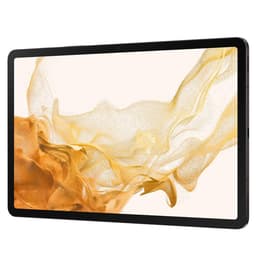
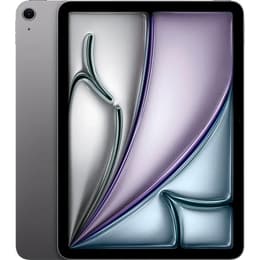
Galaxy Tab S8+ (12.4", 2022) vs iPad Air 7 (2025, M3 series)

  • 1-year warranty
  • Free standard shipping
  • Free 30-day returns

Differences at a glance

The Samsung Galaxy Tab S8+ (2022) and the Apple iPad Air 7 (2025) represent two distinct approaches to high-performance portable computing. While the Galaxy Tab S8+ delivers a large, vibrant viewing space with Android flexibility, the iPad Air 7 introduces updated processing architecture running on Apple's iPadOS ecosystem.

These tablets cater to users seeking capable portable devices for productivity, creativity, and media consumption, differing primarily in their software platforms and physical dimensions.

Scores

Durability

When examining hardware longevity and ongoing software support, both devices offer solid long-term viability through distinct update paths and robust physical construction.

  • Software Support: The iPad Air 7 benefits from a later release year, ensuring extended operating system upgrades, while the Galaxy Tab S8+ relies on Samsung's established multi-year update framework for security and system enhancements.
  • Build Integrity: Both tablets feature aluminum unibody designs and durable glass fronts, though choosing a quality-assured refurbished option from Back Market extends the operational lifecycle of either model sustainably.
  • Repairability: Both units adhere to modern slim tablet construction standards, meaning professional service is recommended for major internal component replacements.

Release year

2022

2025

Compatible with latest Update

Yes

Yes

Operating system

Android

iPadOS

Performance

Daily operation and hardware capability differ due to distinct internal architectures, yet both models manage demanding applications and everyday multitasking with ease.

  • Storage Configurations: Both devices offer various internal capacity tiers alongside cloud integration options, accommodating large document libraries and media files.
  • System Responsiveness: The iPad Air 7 handles heavy creative applications and intensive multitasking smoothly thanks to its advanced processor, while the Galaxy Tab S8+ utilizes its own robust current-generation processor to maintain fluid navigation across Android apps.
  • Battery Behavior: Both tablets deliver enough power for typical daily use involving web browsing, streaming, and document editing, though heavy multi-app usage results in different discharge rates depending on screen brightness and background tasks.

Screen quality

Display performance remains a core differentiator, particularly regarding panel technology, physical dimensions, and visual immersion during media consumption.

  • Display Technology: The Galaxy Tab S8+ utilizes an AMOLED panel offering deep contrast and vivid color separation, whereas the iPad Air 7 employs an advanced Liquid Retina LCD screen providing accurate color reproduction and balanced brightness.
  • Refresh Rate and Smoothness: Both devices support high refresh rates, ensuring fluid scrolling through web pages, responsive pen input during note-taking, and smooth animations across user interfaces.
  • Viewing Area: The Galaxy Tab S8+ provides a slightly larger 12.4-inch canvas suited for split-screen multitasking, while the iPad Air 7 offers a compact form factor that balances screen estate with portability.

Resolution

1752 x 2800

2360 x 1640

Screen type

Super AMOLED

Liquid Retina display

Pixel density

270ppp

264ppp

Audiovisual

Optics and audio reproduction cater to remote communication, casual capture, and multimedia playback requirements.

  • Camera Systems: Both tablets feature capable front-facing cameras positioned for landscape video calls, alongside rear camera setups suitable for scanning documents and casual photography.
  • Audio Output: Multi-speaker arrays on both models deliver clear sound reproduction for video conferencing and media streaming without requiring external speakers.
  • Microphone Clarity: Integrated multi-microphone arrays isolate background noise effectively during virtual meetings and voice recordings.

Miscellaneous

Physical handling and connectivity features shape how these tablets integrate into mobile workflows and daily travel routines.

  • Connectivity Options: Both models support modern Wi-Fi standards and optional cellular connectivity variants for internet access away from routers.
  • Port Type: Each tablet utilizes a reversible USB-C port for charging and peripheral connections, aligning with universal accessory standards.
  • Security and Handling: The Galaxy Tab S8+ incorporates an under-display fingerprint sensor alongside facial recognition, while the iPad Air 7 integrates a power button fingerprint sensor for authentication.

Weight

567 oz

460 oz

Screen size (in)

12.4

11

Network

Wi-Fi

Wi-Fi

Carrier compatibility

Without SIM Port

Without SIM Port

What the community thinks

User discussions and community feedback indicate that buyers appreciate the Galaxy Tab S8+ for its expansive AMOLED screen and inclusion of a stylus in the box, though some users note that Android tablet app optimization varies compared to smartphone counterparts. Conversely, the iPad Air 7 receives praise for its strong processing capabilities and seamless integration within the Apple ecosystem, while occasional discussions highlight storage limitations on entry-level configurations.

Users prioritizing a larger viewing area, deep contrast levels, and file management flexibility will find the Galaxy Tab S8+ well-suited to their needs. Meanwhile, users focusing on creative applications, long-term software updates, and fluid tablet-optimized software environments may lean toward the iPad Air 7.

Choosing a sustainable, quality-assured refurbished option through Back Market provides an eco-friendly alternative for acquiring either device without compromising on performance or reliability. Ultimately, the right choice depends on personal preference for operating systems and screen characteristics.

Our recent comparisons