
Compare models

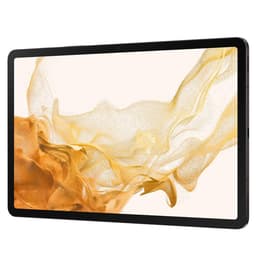
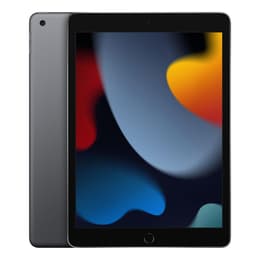
Galaxy Tab S8+ (12.4", 2022) vs iPad 9 (2021, A13 series)

  • 1-year warranty
  • Free standard shipping
  • Free 30-day returns
iPad 9 (2021, A13 series)
Starting at

Refurbished price:A$295.00

Versus A$549.00 new

See options

Differences at a glance

The Samsung Galaxy Tab S8+ (2022) and the Apple iPad 9th Generation (2021) are prominent tablets designed to meet various daily computing, media, and productivity needs. While the Galaxy Tab S8+ offers a larger footprint with an immersive viewing setup, the iPad 9 serves as a familiar entry point into the tablet space. These devices differ significantly in physical dimensions, operating systems, and display technology, making them suited to distinct user preferences.

Operating on Android and iPadOS respectively, each tablet provides a unique interface for multitasking, applications, and ecosystem integration. Understanding how their core characteristics diverge helps determine which device aligns better with specific daily routines and workflow expectations.

Available Models

Colour

Storage (GB)

Scores

Durability

When examining longevity and hardware durability, both tablets offer reliable update cycles and robust construction, though they differ in release timelines and software support windows.

  • Software longevity: Both platforms receive regular system updates and security patches from their respective manufacturers, ensuring secure daily usage over several years.
  • Build and repairability: Each model utilizes sturdy aluminum housing designed to withstand regular transport, with professional repair services available for component replacements like batteries or screens.
  • Expected lifespan: Choosing a quality-assured refurbished option extends the usable lifecycle of these electronics while supporting sustainable consumption habits.

Release year

2022

2021

Compatible with latest Update

Yes

Yes

Operating system

Android

iPadOS

Performance

Processing power and operational speed dictate how smoothly each tablet handles everyday responsibilities, from web browsing to split-screen multitasking.

  • App execution and multitasking: Both models transition smoothly between productivity applications, video streaming, and routine document editing without noticeable lag.
  • Storage capacity: Internal storage configurations vary across models, affecting how many offline media files, documents, and large applications can be stored locally.
  • Battery behavior: Battery endurance spans a full day of standard mixed usage, though heavy graphics rendering or extended video streaming will deplete charge levels more quickly on both devices.

Screen quality

Display characteristics shape the overall media consumption and reading experience, varying by panel technology, size, and visual sharpness.

  • Display technology: The Galaxy Tab S8+ features an expansive organic light-emitting panel delivering deep contrast levels, while the iPad 9 utilizes a traditional liquid crystal display with balanced color reproduction.
  • Brightness and outdoor visibility: Maximum brightness levels on both screens allow for comfortable indoor viewing, though direct sunlight requires shadier spots for optimal clarity.
  • Refresh rate and smoothness: Screen refresh capabilities differ between the models, influencing how fluidly scrolling motions and handwritten pen inputs appear on the glass surface.

Resolution

1752 x 2800

2160 x 1620

Screen type

Super AMOLED

Retina display

Pixel density

270ppp

264ppp

Audiovisual

Imaging hardware and audio output components affect casual photography, video calls, and media playback quality during daily routines.

  • Camera capabilities: Both tablets include front-facing lenses designed for video conferencing and rear camera setups suitable for scanning documents or capturing quick snapshots in adequate lighting.
  • Microphone performance: Integrated microphone arrays capture clear audio for virtual meetings and voice notes, minimizing background interference in typical indoor environments.
  • Speaker output: Built-in multi-speaker arrays deliver clear sound reproduction for podcasts, casual video viewing, and music playback without requiring external headphones.

Miscellaneous

Physical dimensions, connectivity standards, and daily handling characteristics define the practical portability of each device.

  • Portability and dimensions: The Galaxy Tab S8+ provides a larger workspace within a slim profile, whereas the iPad 9 offers a more compact form factor that slips easily into smaller bags.
  • Connectivity options: Both models support reliable wireless networking standards alongside optional cellular configurations for internet access away from home routers.
  • Authentication and ports: Security features include biometric identification methods, and physical connections rely on standard universal charging cables for power replenishment and data transfer.

Weight

567 oz

487 oz

Screen size (in)

12.4

10.2

Network

Wi-Fi

Wi-Fi

Carrier compatibility

Without SIM Port

Without SIM Port

What the community thinks

User feedback from online communities highlights distinct advantages for both devices. Owners of the Galaxy Tab S8+ frequently praise its expansive display, responsive included stylus, and vibrant media viewing experience, though some note that its larger size requires intentional bag space. Conversely, users of the iPad 9 often commend its straightforward interface, reliable app ecosystem, and consistent battery performance, while observing that its bezels and display technology reflect an older design philosophy.

Users prioritizing a larger canvas for handwritten notes, multi-window productivity, and cinematic media consumption may prefer the Galaxy Tab S8+, while users seeking a compact, straightforward tablet for web browsing, reading, and casual applications often lean toward the iPad 9. Exploring a quality-assured refurbished option provides an eco-friendly pathway to acquiring either device while reducing electronic waste. Reviewing personal software preferences and daily workflow habits remains the most effective approach to selecting the right model.


Our recent comparisons