
Compare models
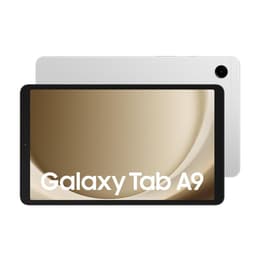
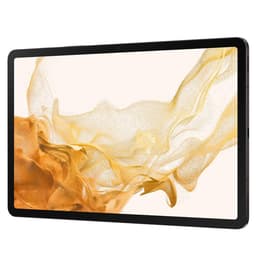
Galaxy Tab A9+ (11.0", 2023) vs Galaxy Tab S8+ (12.4", 2022)
- 1-year warranty
- Free standard shipping
- Free 30-day returns
Differences at a glance
The Samsung Galaxy Tab A9+ (2023) and Samsung Galaxy Tab S8+ (2022) are Android tablets designed to cater to different segments of everyday digital use. While the Galaxy Tab A9+ serves as an accessible everyday device for media consumption and casual tasks, the Galaxy Tab S8+ positions itself as a higher-tier productivity machine with advanced hardware features. Both run on the Android operating system with Samsung's custom interface, but they target distinct user needs through differing screen technologies, processing capabilities, and build configurations.
Scores
Durability
When evaluating the lifespan and software longevity of these two tablets, release timelines and device positioning play a primary role in update schedules and structural durability.
- Software support lifecycle: The Galaxy Tab S8+ debuted in early 2022, while the Galaxy Tab A9+ launched in late 2023, meaning both models navigate similar multi-year windows of security patches and operating system upgrades from Samsung.
- Build and repair outlook: The Galaxy Tab S8+ utilizes aluminum construction and glass protection designed for a longer physical service life, whereas the Galaxy Tab A9+ relies on a more utilitarian build suited for standard daily handling.
- Long-term utility: Users seeking extended software relevance find that both tablets maintain stable performance for routine tasks, though the higher-tier hardware on the Tab S8+ preserves headroom for heavier future demands.
Release year
2023
2022
Compatible with latest Update
Yes
Yes
Operating system
Android
Android
Performance
System responsiveness and hardware capabilities vary significantly between these two models, impacting how they handle multitasking, gaming, and app loading.
- Everyday responsiveness: The Galaxy Tab S8+ handles demanding applications, graphics-heavy gaming, and intensive multitasking smoothly, whereas the Galaxy Tab A9+ is well-suited for web browsing, streaming, and casual app switching.
- Memory and storage configurations: The Tab S8+ features higher base RAM allocations that facilitate seamless background app management, while the Tab A9+ provides balanced storage tiers expandable via microSD card for media libraries.
- Battery behavior: The Tab S8+ incorporates a larger battery capacity paired with fast-charging support to sustain heavy daily use, while the Tab A9+ offers dependable power efficiency tailored for moderate daily consumption.
Screen quality
Display technology represents one of the most noticeable distinctions between these two Samsung tablets, influencing visual fidelity and media enjoyment.
- Display panel technology: The Galaxy Tab S8+ features a vibrant Super AMOLED display with deep blacks and high contrast, while the Galaxy Tab A9+ uses a standard TFT LCD panel for clear everyday viewing.
- Refresh rate and fluidity: Both tablets support elevated refresh rates—120Hz on the Tab S8+ and 90Hz on the Tab A9+—ensuring smooth scrolling through web pages and documents.
- Size and viewing space: The Tab S8+ offers a spacious 12.4-inch viewing area ideal for split-screen multitasking, while the 11.0-inch screen on the Tab A9+ keeps the device compact and portable.
Resolution
1200 x 1920
1752 x 2800
Screen type
TFT LCD
Super AMOLED
Pixel density
210ppp
270ppp
Audiovisual
Multimedia capabilities, including cameras and audio output, reflect the different market tiers and hardware investments of each tablet.
- Camera systems: The Galaxy Tab S8+ includes a dual-camera setup on the rear alongside an ultra-wide front sensor for video calls, while the Tab A9+ keeps photography options streamlined with a single rear lens and a standard selfie camera.
- Video and audio output: Both models deliver clear stereo sound suitable for video calls and streaming media, though the Tab S8+ features multi-speaker tuning that provides a fuller soundstage.
- Capture performance: The Tab S8+ handles low-light environments and document scanning with greater clarity, whereas the Tab A9+ meets basic casual recording needs.
Miscellaneous
Practical physical design elements and connectivity features shape how easily each tablet integrates into travel and daily routines.
- Portability and dimensions: The Tab A9+ is lighter and more compact for one-handed reading, while the larger footprint of the Tab S8+ accommodates a wider workspace and included stylus support.
- Connectivity standards: Both models offer reliable Wi-Fi and Bluetooth connectivity, with select variants supporting cellular networks for on-the-go internet access.
- Security and interface: The Tab S8+ includes an in-display fingerprint sensor and facial recognition, while the Tab A9+ relies primarily on facial recognition and standard passcode security.
Weight
480 oz
567 oz
Screen size (in)
11.0
12.4
Network
Wi-Fi + 5G
Wi-Fi
Carrier compatibility
Unlocked
Without SIM Port
Connector
USB Type-C
USB Type-C
What the community thinks
User feedback from online communities highlights distinct praise and common considerations for both devices. Owners of the Galaxy Tab S8+ frequently appreciate its expansive screen, fluid performance, and included stylus, though some note its larger size makes it less ideal for casual handheld reading. Conversely, users favor the Galaxy Tab A9+ for its lightweight portability and reliability in handling daily streaming tasks, while pointing out that its processor and screen tech are best kept to moderate workloads.
Users prioritizing productivity, digital sketching, and media immersion find the Galaxy Tab S8+ well-suited to their workflow, while those seeking a straightforward, portable device for web browsing and reading lean toward the Galaxy Tab A9+. Choosing between them depends entirely on whether your priority is advanced processing power or everyday simplicity. For those exploring sustainable purchasing options, choosing a quality-assured refurbished option through platforms like Back Market provides an eco-friendly alternative that extends the lifecycle of these electronics without compromising on performance standards.