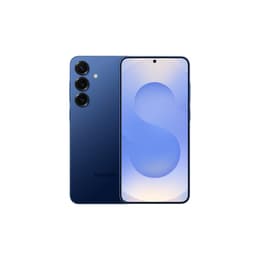


Galaxy S25+ vs Google Pixel 8 Pro

Galaxy S25+
Galaxy S25+
Starting at

Refurbished price:A$919.00

Versus A$1,699.00 new

See options
Google Pixel 8 Pro
Google Pixel 8 Pro
Starting at

Refurbished price:A$564.00

Versus A$2,015.00 new

See options

The Samsung Galaxy S25 Plus, released in February 2025, and the Google Pixel 8 Pro, launched in October 2023, represent two distinct approaches to high-end Android smartphones. While both devices offer premium experiences, the Galaxy S25 Plus focuses on refined hardware and a comprehensive ecosystem, whereas the Pixel 8 Pro emphasizes advanced computational photography and integrated artificial intelligence features. Both operate on the Android platform, with each manufacturer providing their unique software overlay and feature sets.

Scores

Durability

When considering the long-term usability of these devices, their release timelines and software support policies are key factors.

  • Release Timeline: The Google Pixel 8 Pro was released in October 2023, making it a more established device. The Samsung Galaxy S25 Plus, released in February 2025, benefits from a newer hardware generation and a later starting point for its software support cycle.
  • OS Support Duration: Both Google and Samsung have committed to extensive software support. The Pixel 8 Pro offers seven years of OS and security updates from its release. The Galaxy S25 Plus also promises seven years of OS and security updates, with support expected to continue until 2032. This means the Galaxy S25 Plus will receive updates for a longer overall period due to its later release.
  • Repairability and Practical Lifespan: While specific repairability scores can vary, both devices are designed with modern smartphone construction. The Galaxy S25 Plus features Gorilla Glass Victus 2 for display protection, contributing to its physical resilience. Users can expect a practical lifespan that extends well beyond their initial purchase, especially when considering quality-assured refurbished options as a sustainable choice.

Release year

2025

2023

Operating system

Android

Android

Foldable

No

No

Performance

Performance is a critical aspect for daily use, influencing everything from app responsiveness to demanding tasks.

  • Processor Capabilities: The Galaxy S25 Plus is equipped with a current-generation processor designed for high performance, enabling swift app launches, smooth multitasking, and efficient handling of graphically intensive applications and games. The Pixel 8 Pro, powered by its custom-designed processor, delivers a highly optimized experience, particularly excelling in AI-driven tasks and maintaining fluidity across the Android interface.
  • System Responsiveness and Multitasking: Both devices offer 12 GB of RAM, which is ample for managing numerous applications simultaneously without significant slowdowns. The Galaxy S25 Plus's newer processor provides a performance advantage in raw processing power, while the Pixel 8 Pro's integrated hardware and software optimization ensure a consistently responsive user experience, especially with Google's AI features.
  • Storage Options: The Galaxy S25 Plus is available with 256 GB or 512 GB of internal storage. The Pixel 8 Pro offers a wider range, including 128 GB, 256 GB, 512 GB, and a 1 TB option in some regions, providing more flexibility for users with extensive storage needs. Neither device supports expandable storage via microSD cards.
  • Battery Behavior: The Pixel 8 Pro features a 5050 mAh battery, generally providing reliable power for a full day of typical use, with some users reporting strong performance on Wi-Fi. The Galaxy S25 Plus comes with a 4900 mAh battery, and is anticipated to offer efficient power management for extended usage. Both support fast wired and wireless charging, though the Galaxy S25 Plus is expected to offer faster wireless charging speeds.

Memory (GB)

12 GB

12 GB

Screen quality

The display is the primary interface for user interaction, and both devices offer high-quality viewing experiences.

  • Display Technology and Clarity: The Galaxy S25 Plus features a 6.7-inch Dynamic LTPO AMOLED 2X display, known for its vibrant colors, deep blacks, and excellent contrast. The Pixel 8 Pro also uses a 6.7-inch LTPO OLED display, delivering similar visual fidelity. Both displays offer sharp visuals suitable for detailed content consumption.
  • Resolution and Brightness: The Galaxy S25 Plus boasts a QHD+ resolution of 3120 x 1440 pixels, providing a very crisp image. The Pixel 8 Pro also has a QHD+ resolution of 2992 x 1344 pixels. The Galaxy S25 Plus can reach a peak brightness of up to 2600 nits, offering superior visibility in bright outdoor conditions. The Pixel 8 Pro achieves a peak brightness of up to 2400 nits, which is also very bright and suitable for outdoor use.
  • Refresh Rate and Smoothness: Both smartphones feature adaptive 120 Hz refresh rates, ensuring smooth scrolling, fluid animations, and a responsive feel during gaming or general navigation. The Pixel 8 Pro's display can dynamically adjust its refresh rate down to 1 Hz for static content, which can contribute to power efficiency.

Resolution

1440x3120

1344 x 2992

Audiovisual

Both the Galaxy S25 Plus and the Pixel 8 Pro are equipped with advanced camera systems, each with its own strengths in capturing images and video.

  • Rear Camera Systems: The Galaxy S25 Plus features a triple camera setup, including a 50 MP wide-angle primary sensor, a 12 MP ultra-wide angle lens, and a 10 MP telephoto lens with 3x optical zoom. It supports 8K video recording at 30 frames per second. The Pixel 8 Pro also has a triple camera system, comprising a 50 MP wide-angle primary camera, a 48 MP ultra-wide lens, and a 48 MP telephoto lens with 5x optical zoom, offering greater reach for distant subjects. It records 4K video at up to 60 frames per second.
  • Photography Performance: The Pixel 8 Pro is widely praised for its computational photography, delivering consistently detailed and color-accurate photos, particularly excelling in challenging lighting conditions and with features like Night Mode. The Galaxy S25 Plus, with its newer hardware and AI-powered ProVisual Engine, also offers strong image quality, with improvements in low-light performance and advanced editing tools.
  • Video Recording and Audio: The Galaxy S25 Plus offers higher resolution video recording capabilities with 8K. The Pixel 8 Pro provides robust 4K video recording with features like Video Boost for enhanced quality. Both devices offer good microphone quality for calls and recordings, and their stereo speakers provide a capable audio experience for media consumption.
  • Front Camera: The Galaxy S25 Plus includes a 12 MP front-facing camera. The Pixel 8 Pro features a 10.5 MP ultrawide front camera with autofocus, which can be beneficial for group selfies and video calls.

Miscellaneous

Beyond core specifications, several practical elements contribute to the overall user experience.

  • Connectivity and Ports: Both devices support 5G connectivity for fast mobile data. The Galaxy S25 Plus supports Wi-Fi 7 and Bluetooth 5.4, offering the latest in wireless standards. The Pixel 8 Pro supports Wi-Fi 6E and Bluetooth, providing reliable and fast wireless connections. Both utilize a USB Type-C port for charging and data transfer, and neither includes a traditional headphone jack.
  • Biometric Security: The Galaxy S25 Plus features an ultrasonic in-screen fingerprint sensor for secure unlocking. The Pixel 8 Pro offers an under-display fingerprint scanner and Face Unlock, which is rated at the highest Android security level.
  • Design and Build: The Galaxy S25 Plus has dimensions of 75.8 x 158.4 x 7.3 mm and weighs 190 g, presenting a relatively slim and light profile. The Pixel 8 Pro is slightly larger and heavier at 162.6 x 76.5 x 8.8 mm and 213 g. Both devices feature premium build materials, with the Galaxy S25 Plus using Gorilla Glass Victus 2 for its display and the Pixel 8 Pro featuring a satin-finish matte glass back.
  • Additional Features: The Galaxy S25 Plus integrates Samsung's Galaxy AI suite, offering various intelligent functionalities. The Pixel 8 Pro also heavily leverages AI with features like Magic Editor, Best Take, and enhanced call screening, powered by its custom processor.

Weight

190 oz

213 oz

Screen size (in)

6.7

6.7

Network

5G

5G

SIM card

Physical SIM + eSIM

Physical SIM + eSIM

Carrier compatibility

Unlocked

Unlocked

User feedback for the Google Pixel 8 Pro often highlights its exceptional camera performance, particularly its ability to capture detailed and vibrant photos in various conditions, and its suite of AI-powered editing tools. Users also frequently praise its clean Android experience and consistent software updates. Some common criticisms include its battery life, which, while improved over predecessors, may still require a mid-day top-up for heavy users, and occasional reports of the processor not matching the raw speed of some competitors in benchmark tests. The Pixel 8 Pro is generally seen as a strong choice for those who prioritize photography and a streamlined software experience.

For the Samsung Galaxy S25 Plus, early reception and anticipated features suggest praise for its refined display, powerful processor, and the comprehensive nature of Samsung's ecosystem, including its advanced AI capabilities. Users are likely to appreciate its bright screen and robust performance for demanding applications. Potential criticisms might revolve around its iterative design changes compared to previous generations or the learning curve associated with Samsung's One UI for those accustomed to a more stock Android experience. The Galaxy S25 Plus is well-suited for users who seek a powerful, feature-rich device with a premium design and extensive software support.

Users prioritizing advanced computational photography, a clean Android interface, and unique AI features may find the Google Pixel 8 Pro aligns better with their needs. Conversely, individuals seeking a device with the latest hardware, a brighter display, and a broader ecosystem of features might lean towards the Samsung Galaxy S25 Plus. Both devices offer a quality-assured refurbished option, providing an eco-friendly alternative for consumers looking to make informed and sustainable choices.


See all articles

Our recent comparisons