Galaxy S23 vs Motorola Razr 40 Ultra

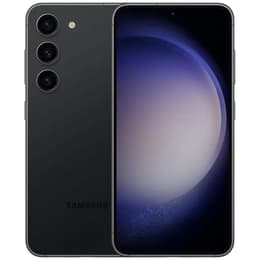
Galaxy S23
Galaxy S23
Starting at

Refurbished price:A$489.00

Versus A$1,349.00 new

See options
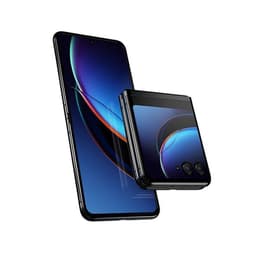
Motorola Razr 40 Ultra
See options

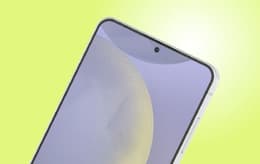
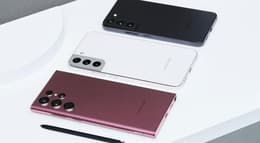
The Samsung Galaxy S23, released in February 2023, is a traditional slab-style smartphone, part of Samsung's flagship S series. In contrast, the Motorola Razr 40 Ultra, launched in June 2023, is a clamshell foldable smartphone. The primary distinction between these two devices lies in their form factor, with the Galaxy S23 offering a conventional design and the Razr 40 Ultra providing a compact, folding experience with a prominent external display. Both devices operate on the Android platform, offering a range of features for different user preferences.

Scores

Durability

When considering the long-term usability of these devices, their release timelines and software support policies are key factors. Both phones were released in 2023, making them relatively current in the smartphone market.

  • Software Updates: The Samsung Galaxy S23 is expected to receive four major Android OS upgrades and five years of security updates, extending its support until at least 2028. It launched with Android 13 and is projected to receive updates up to Android 17. The Motorola Razr 40 Ultra, on the other hand, is promised three major Android OS upgrades and four years of bi-monthly security updates, with support expected to end around June 2027, reaching up to Android 16.
  • Physical Durability: The Galaxy S23 features Gorilla Glass Victus 2 for enhanced durability and has an IP68 rating for dust and water resistance. The Razr 40 Ultra has Corning Gorilla Glass Victus on its external display and a 7000 series aluminum frame, with an IP52 water-repellent rating, indicating splash resistance rather than full submersion. User reports suggest the Razr 40 Ultra's cover screen may be susceptible to damage under direct pressure due to a lack of structural backing.
  • Repairability: The Galaxy S23 series has shown improvements in repairability, with some components designed for easier replacement. Foldable phones, including the Razr 40 Ultra, generally present more challenges for repair due to their complex hinge mechanisms and display technology, often resulting in lower repairability scores.

Release year

2023

2023

Compatible with latest Update

Yes

Yes

Operating system

Android

Android

Foldable

No

Yes

Performance

Both the Galaxy S23 and the Razr 40 Ultra offer robust performance suitable for demanding applications and multitasking, though they utilize different generations of processing hardware.

  • Processing Power: The Galaxy S23 is equipped with a powerful processor from its release year, enabling smooth operation for intensive tasks like gaming and video editing, with users reporting no significant lags even after several months of use. The Razr 40 Ultra features a slightly older, but still high-performing, processor that delivers a very responsive Android experience, handling daily tasks and most applications without issues.
  • Multitasking and Responsiveness: The Galaxy S23 provides a fluid experience for multitasking, allowing users to switch between apps easily without slowdowns. The Razr 40 Ultra also offers a fluid software experience, with its near-stock Android interface contributing to its responsiveness.
  • Battery Performance: The Galaxy S23 houses a 3900 mAh battery, which users generally find sufficient for a full day of moderate use, though heavy users might need to manage power consumption. The Razr 40 Ultra has a 3800 mAh battery. While it can last a full day with moderate usage, especially when leveraging its external display, heavy use, such as prolonged video recording or gaming, may necessitate a top-up.

Memory (GB)

8 GB

8 GB

Screen quality

The display experience is a significant differentiator, with the Galaxy S23 offering a traditional, high-quality flat screen and the Razr 40 Ultra featuring a unique foldable design with two distinct displays.

  • Main Display Technology: The Galaxy S23 features a 6.1-inch Dynamic AMOLED 2X display with a resolution of 2340x1080 pixels and a 120Hz refresh rate, providing vibrant colors, deep blacks, and smooth scrolling. The Razr 40 Ultra's main internal display is a 6.9-inch foldable pOLED panel with a resolution of 2640x1080 pixels and a high 165Hz refresh rate, offering a large, immersive viewing area when unfolded.
  • External Display and Usability: A key feature of the Razr 40 Ultra is its large 3.6-inch pOLED external cover screen, which has a 144Hz refresh rate and a resolution of 1066x1056 pixels. This external display is highly functional, allowing users to run full apps, check notifications, and even take selfies without unfolding the phone. The Galaxy S23 does not have a secondary external display.
  • Brightness and Clarity: Both devices offer excellent brightness levels for outdoor visibility. The Galaxy S23's display can reach high peak brightness, ensuring content remains clear even in bright conditions. The Razr 40 Ultra's internal display also boasts high peak brightness, making it suitable for outdoor use.

Resolution

1080 x 2340

1080 x 2640

Screen type

Dynamic AMOLED 2X

Foldable LTPO AMOLED

Audiovisual

Both smartphones provide capable camera systems, but they cater to slightly different photographic needs and preferences, particularly concerning versatility and specialized features.

  • Rear Camera System: The Samsung Galaxy S23 features a versatile triple-camera setup, including a 50MP main sensor with optical image stabilization (OIS), a 10MP telephoto lens with 3x optical zoom, and a 12MP ultrawide lens. This configuration allows for a wide range of shooting scenarios, from detailed close-ups to distant subjects. The Motorola Razr 40 Ultra has a dual-camera system on the rear, comprising a 12MP main camera with a bright f/1.5 aperture and OIS, and a 13MP ultrawide camera that also functions for macro shots due to its autofocus capability.
  • Photography Performance: The Galaxy S23 is praised for producing high-quality, vibrant, and sharp images, with strong low-light performance and effective night mode. Its zoom capabilities are also noted as a strong point. The Razr 40 Ultra's main camera performs well in good lighting conditions and can capture good shots in low light, though it may struggle with capturing fast-moving subjects. It lacks a dedicated telephoto lens, relying on digital zoom.
  • Front Camera and Video: The Galaxy S23 includes a 12MP front camera, capable of good selfies and 8K video recording at 60 frames per second. The Razr 40 Ultra features a 32MP front camera, which can also record 4K video at 60fps. Its foldable design allows for using the higher-quality rear cameras for selfies and video calls, utilizing the external display as a viewfinder.

Main camera

50 megapixels

12 megapixels

Front camera

12 megapixels

32 megapixels

Miscellaneous

Beyond core performance and display, several practical elements contribute to the overall user experience and differentiate these two devices.

  • Connectivity and Ports: Both smartphones support modern connectivity standards, including 5G, Wi-Fi 6E, and Bluetooth 5.3, ensuring fast and reliable wireless connections. Both devices also feature a USB-C port for charging and data transfer.
  • Biometric Security: The Galaxy S23 incorporates an in-display fingerprint sensor for secure unlocking. The Razr 40 Ultra utilizes a side-mounted fingerprint sensor, along with face unlock functionality.
  • Design and Handling: The Galaxy S23 is a compact slab phone, measuring 146.3 x 70.9 x 7.6mm and weighing 168 grams, making it comfortable for one-handed use. The Razr 40 Ultra, when unfolded, measures 170.83 x 73.95 x 6.99mm and weighs 188.5 grams (or 184.5g for the vegan leather variant). When folded, it becomes significantly more compact at 88.42 x 73.95 x 15.1mm, offering enhanced portability. The Razr 40 Ultra also offers a vegan leather option for its rear panel.

Weight

227 oz

1 oz

Screen size (in)

6.1

6.9

Network

5G

5G

SIM card

Physical SIM + eSIM

Dual Physical SIM

Carrier compatibility

Unlocked

Unlocked

The Samsung Galaxy S23 and Motorola Razr 40 Ultra cater to distinct user preferences, primarily due to their fundamental differences in form factor. User feedback often praises the Galaxy S23 for its consistent performance, reliable battery life, and versatile camera system within a compact, traditional smartphone design. Its robust software support policy is also a significant advantage for users prioritizing long-term updates.

Conversely, the Motorola Razr 40 Ultra receives acclaim for its innovative foldable design, particularly its large and highly functional external display, which allows for significant interaction without opening the device. Users appreciate its premium feel and the unique experience of a clamshell phone. Some common criticisms for the Razr 40 Ultra include its camera performance not always matching traditional flagships, especially in challenging conditions, and its battery life, while good for a foldable, may require more frequent charging for heavy users.

Users prioritizing a traditional, durable smartphone experience with extensive software support and a highly capable, versatile camera system will find the Samsung Galaxy S23 well-suited to their needs. It offers a balanced package for everyday use, gaming, and photography in a compact form. On the other hand, users who value a unique, compact, and stylish device with an innovative external display for quick interactions and a fresh smartphone experience may lean towards the Motorola Razr 40 Ultra. Its foldable nature provides a distinct aesthetic and portability that traditional phones cannot match.

For those considering either of these devices, exploring quality-assured refurbished options can be an eco-friendly alternative to extend the life cycle of these technologies.
See all articles

Our recent comparisons