Galaxy S23 vs Galaxy S24+

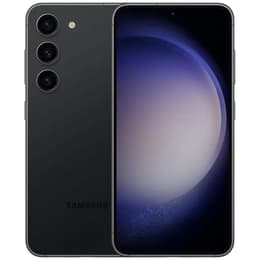
Galaxy S23
Galaxy S23
Starting at

Refurbished price:A$489.00

Versus A$1,349.00 new

See options
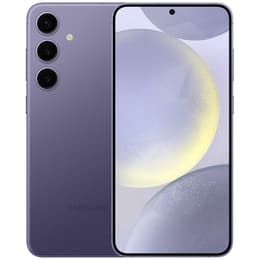
Galaxy S24+
Galaxy S24+
Starting at

Refurbished price:A$639.00

Versus A$873.00 new

See options

Ratings

The Samsung Galaxy S23, released in February 2023, and the Samsung Galaxy S24 Plus, launched in January 2024, represent different tiers within Samsung's flagship smartphone offerings. While both operate on the Android platform with Samsung's One UI, the S24 Plus introduces notable advancements in display technology, internal components, and software longevity. These differences cater to varying user preferences, from those seeking a more compact device to those prioritizing a larger, more feature-rich experience.

Scores

Durability

The expected lifespan of a smartphone is significantly influenced by its release timeline and the manufacturer's commitment to software updates.

  • Release Timeline: The Galaxy S23 was introduced in February 2023, making it a year older than the Galaxy S24 Plus, which debuted in January 2024. This age difference inherently means the S24 Plus will receive software support for a longer duration.
  • Software Support: Samsung has committed to providing the Galaxy S23 with four generations of Android operating system updates and five years of security updates. In contrast, the Galaxy S24 Plus benefits from an extended policy, promising seven generations of OS updates and seven years of security patches. This extended support for the S24 Plus significantly prolongs its practical usability and security.
  • Build Materials: Both devices feature an aluminum frame and are protected by Gorilla Glass Victus 2 on both the front and back, contributing to their overall durability. They also share an IP68 rating for water and dust resistance, indicating robust protection against environmental elements.

Release year

2023

2024

Operating system

Android

Android

Foldable

No

No

Performance

Performance in daily use, from app handling to multitasking, is a key differentiator between these two generations of devices.

  • Processing Power: The Galaxy S23 is equipped with a processor designed for its generation, offering smooth performance for everyday applications and moderate gaming. The Galaxy S24 Plus, featuring a newer generation processor, delivers enhanced capabilities for more demanding tasks, complex applications, and advanced AI features, providing a noticeable boost in overall responsiveness and efficiency.
  • Memory and Storage: The Galaxy S23 typically comes with 8GB of RAM, which is sufficient for most multitasking needs. The Galaxy S24 Plus elevates this with 12GB of RAM, allowing for more seamless transitions between numerous open applications and improved handling of memory-intensive tasks. For storage, the S23 offers options starting at 128GB, with 256GB and higher variants utilizing faster UFS 4.0 storage. The S24 Plus starts at 256GB, with all configurations benefiting from the faster UFS 4.0 standard.
  • Battery Endurance: The Galaxy S23 houses a 3900 mAh battery, providing reliable power for a full day of typical use. The Galaxy S24 Plus features a larger 4900 mAh battery. Despite the significant increase in capacity for the S24 Plus, real-world battery life for both devices is generally comparable, with the S24 Plus often showing slightly better longevity due to its more power-efficient display technology and processor. Both support 45W wired fast charging, 15W wireless charging, and 4.5W reverse wireless charging.

Memory (GB)

8 GB

12 GB

Screen quality

The visual experience is a significant aspect of smartphone usage, and both devices offer high-quality displays with distinct characteristics.

  • Display Technology and Size: Both the Galaxy S23 and S24 Plus feature Dynamic AMOLED 2X displays, known for their vibrant colors and deep blacks. The Galaxy S23 has a more compact 6.1-inch display, while the Galaxy S24 Plus offers a larger 6.7-inch screen, providing a more expansive viewing area.
  • Resolution and Clarity: The Galaxy S23 features a Full HD+ resolution (1080 x 2340 pixels), delivering sharp and clear visuals for most content. The Galaxy S24 Plus steps up to a Quad HD+ resolution (1440 x 3120 pixels), resulting in a higher pixel density and noticeably crisper details, particularly beneficial for high-resolution media and text.
  • Brightness and Refresh Rate: The S23's display can reach a peak brightness of 1750 nits, ensuring good visibility in various lighting conditions. The S24 Plus significantly increases this to a peak of 2600 nits, offering superior outdoor visibility and enhanced HDR content viewing. Both phones feature a 120Hz adaptive refresh rate for smooth scrolling and responsiveness. However, the S24 Plus utilizes LTPO technology, allowing its refresh rate to dynamically scale down to 1Hz for improved power efficiency, whereas the S23 can only go down to 48Hz.

Resolution

1080 x 2340

1440x3120

Audiovisual

Both the Galaxy S23 and S24 Plus offer capable camera systems, sharing identical hardware specifications but with some software-driven distinctions.

  • Camera Hardware: Both devices are equipped with a versatile triple-camera setup on the rear, consisting of a 50-megapixel main sensor, a 12-megapixel ultrawide lens, and a 10-megapixel telephoto lens with 3x optical zoom. The front-facing camera on both is a 12-megapixel sensor. This identical hardware means both phones are capable of capturing high-quality images in various scenarios.
  • Photography Performance: In daylight conditions, both phones produce excellent results. The S24 Plus, however, benefits from newer image processing algorithms and AI enhancements, which can lead to slightly warmer tones, brighter pictures, and improved noise reduction, particularly when using zoom. In low-light situations, the S24 Plus often delivers brighter images with better detail preservation. For selfies, the S24 Plus tends to produce more natural-looking shots, while the S23 can sometimes exhibit a tendency to oversharpen.
  • Video Capabilities: Both the Galaxy S23 and S24 Plus are capable of recording video at up to 8K resolution at 30 frames per second, as well as 4K at 30 or 60 frames per second. This ensures high-quality video capture for users who prioritize this feature.

Miscellaneous

Beyond the core features, several practical elements contribute to the overall user experience and differentiate these two Samsung smartphones.

  • Connectivity: Both devices support 5G connectivity for fast mobile data. For local wireless connections, the Galaxy S23 supports Wi-Fi 6E and Bluetooth 5.3. The Galaxy S24 Plus also supports Bluetooth 5.3 and offers Wi-Fi 6E, with some regional variants potentially supporting the newer Wi-Fi 7 standard, providing potentially faster and more stable wireless connections.
  • Physical Design and Handling: The Galaxy S23 is a more compact device, measuring 146.3 x 70.9 x 7.6mm and weighing 168g, making it easier for one-handed use and pocketability. The Galaxy S24 Plus is larger at 158.5 x 75.9 x 7.7mm and weighs 196g, offering a more substantial feel and a larger screen for media consumption. Both maintain a sleek profile with an aluminum frame and glass back.
  • Security and Ports: Both phones feature an ultrasonic in-display fingerprint sensor for secure and convenient unlocking, along with face recognition capabilities. They both utilize a USB-C port for charging and data transfer, aligning with modern connectivity standards.

Weight

227 oz

200 oz

Screen size (in)

6.1

6.7

Network

5G

5G

SIM card

Physical SIM + eSIM

Physical SIM + eSIM

Carrier compatibility

Unlocked

Unlocked

Connector

USB-C

USB-C

The Samsung Galaxy S23 and Galaxy S24 Plus, while sharing a common lineage, cater to slightly different user priorities. User feedback often praises the Galaxy S23 for its compact form factor, reliable performance, and consistent camera output, making it a solid choice for those who prefer a smaller device without compromising on flagship capabilities. Some users, particularly those in regions that received the Snapdragon processor, appreciate its efficiency and thermal management.

The Galaxy S24 Plus, on the other hand, is frequently lauded for its significantly upgraded display, offering a larger, brighter, and sharper viewing experience. Its extended software support commitment is a major draw for users planning to keep their device for many years. The increased RAM and newer processor also contribute to a perception of enhanced future-proofing and smoother handling of demanding applications. However, some user discussions have raised concerns about the Exynos processor in certain regions regarding potential heating or battery performance, though real-world tests often show comparable battery longevity.

For users prioritizing a more compact and easily manageable device with proven performance for everyday tasks, the Galaxy S23 remains a highly capable option. Its established hardware and software package continue to deliver a premium experience. Conversely, users who value a larger, more immersive display, desire the longest possible software support, and seek the absolute latest in processing power for advanced features will find the Galaxy S24 Plus to be a compelling choice. Evaluating a quality-assured refurbished option for either model can provide an eco-friendly alternative, allowing consumers to make informed, sustainable choices that align with their needs and budget.


See all articles

Our recent comparisons