Compare models

Galaxy S23 Ultra vs Google Pixel 9

  • 1-year warranty
  • Free standard shipping
  • Free 30-day returns
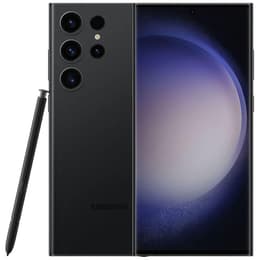
Galaxy S23 Ultra
Galaxy S23 Ultra
Starting at

Refurbished price:A$687.00

Versus A$2,288.00 new

See options
Google Pixel 9
Google Pixel 9
Starting at

Refurbished price:A$649.00

Versus A$1,625.32 new

See options

Differences at a glance

The Samsung Galaxy S23 Ultra, released in February 2023, and the Google Pixel 9, launched in August 2024, represent distinct approaches to the premium smartphone experience. While both operate on the Android platform, the S23 Ultra distinguishes itself with an integrated stylus and a versatile camera system, whereas the Pixel 9 focuses on advanced computational photography and extended software support. This comparison will explore their core differences to help users determine which device best suits their needs.

Scores

Durability

When considering the longevity of these devices, their release timelines and software support policies are key factors.

  • Software Support: The Google Pixel 9 offers an extensive seven years of operating system and security updates from its release, providing a longer period of guaranteed software longevity. In contrast, the Samsung Galaxy S23 Ultra typically receives four years of Android operating system updates and five years of security patches.
  • Repairability: Both devices have seen efforts towards improved repairability. The Galaxy S23 Ultra was noted for easier battery removal compared to its predecessors, though it received a moderate repairability score. The Pixel 9 features a dual-entry design and easier USB-C port replacement, but some aspects, particularly battery removal, can still be challenging for non-professionals.
  • Expected Lifespan: Users prioritising the longest possible software support and access to the latest Android features will find the Pixel 9's extended update policy beneficial for a prolonged practical lifespan. The S23 Ultra, while robust, will reach its software update conclusion sooner.

Release year

2023

2024

Compatible with latest Update

Yes

Yes

Operating system

Android

Android

Foldable

No

No

Performance

Both smartphones deliver robust performance suitable for demanding applications and multitasking, though they achieve this through different hardware optimisations.

  • Everyday Responsiveness: The Galaxy S23 Ultra provides a consistently smooth and responsive experience, handling intensive applications and graphic-heavy games with ease. Its processing power ensures quick app loading and seamless transitions between tasks. The Pixel 9, with its current-generation processor, also offers fluid navigation and efficient handling of multiple applications simultaneously, particularly excelling with AI-driven tasks.
  • Multitasking Capabilities: The Pixel 9 typically comes with 12GB of RAM, facilitating efficient multitasking and keeping numerous applications active in the background without slowdowns. The Galaxy S23 Ultra is available with either 8GB or 12GB of RAM, with the higher-tier models offering comparable multitasking prowess.
  • Storage Options: The Galaxy S23 Ultra offers a wider range of internal storage configurations, including 256GB, 512GB, and 1TB options, catering to users with extensive storage needs. The Pixel 9 is available with 128GB or 256GB of internal storage.

Memory (GB)

8 GB

12 GB

Screen quality

The visual experience on both devices is vibrant and clear, though they differ in size and specific display characteristics.

  • Display Technology and Clarity: The Samsung Galaxy S23 Ultra features a large 6.8-inch Dynamic AMOLED 2X display with a Quad HD+ resolution (3088x1440 pixels), resulting in exceptional sharpness and detail. The Google Pixel 9 sports a 6.3-inch OLED panel with a Full HD+ resolution (2424x1080 pixels), offering clear visuals in a more compact form factor.
  • Brightness and Refresh Rate: Both phones offer high refresh rates for smooth scrolling and animations. The S23 Ultra's display can adapt its refresh rate from 1Hz to 120Hz and reaches up to 1750 nits of peak brightness. The Pixel 9 also features an adaptive refresh rate up to 120Hz and can achieve up to 1800 nits HDR and 2700 nits peak brightness, providing excellent visibility even in bright outdoor conditions.
  • Viewing Experience: The larger screen of the S23 Ultra provides a more expansive canvas for media consumption and productivity tasks, while the Pixel 9's display offers a comfortable viewing experience in a more hand-friendly size. The Pixel 9 also introduces Adaptive Touch technology, enhancing screen responsiveness in various conditions, such as with wet fingers or screen protectors.

Resolution

1440 x 3088

1080x2424

Screen type

Dynamic AMOLED 2X

OLED

Audiovisual

Both smartphones are highly capable photography tools, but they approach image capture and processing with distinct philosophies.

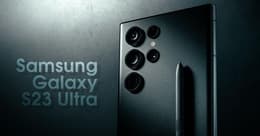
  • Rear Camera Systems: The Samsung Galaxy S23 Ultra boasts a versatile quad-camera setup, including a 200-megapixel main sensor, a 12-megapixel ultrawide lens, and two 10-megapixel telephoto lenses offering 3x and 10x optical zoom. This hardware configuration allows for exceptional detail and significant optical zoom capabilities. The Google Pixel 9 features a dual-camera system with a 50-megapixel main camera and a 48-megapixel ultrawide lens that includes macro focus capabilities.
  • Photography Features: The S23 Ultra excels in capturing highly detailed images, especially with its high-resolution main sensor and advanced zoom. It also supports 8K video recording. The Pixel 9 leverages its computational photography strengths with features like Night Sight for low-light conditions, Astrophotography for capturing the night sky, Face Unblur, Photo Unblur, and Top Shot for optimal action shots. Its ultrawide lens can capture macro shots from as close as 2cm.
  • Video and Audio: Both devices offer high-quality video recording, with the S23 Ultra supporting 8K resolution. The Pixel 9 provides 4K 60fps video recording and includes features like Audio Magic Eraser for clearer sound in videos.

Main camera

200 megapixels

50 megapixels

Front camera

12 megapixels

10.5 megapixels

Miscellaneous

Beyond the core features, several practical elements differentiate these two devices, impacting daily usability and convenience.

  • Connectivity and Ports: Both smartphones support 5G connectivity and modern Wi-Fi standards for fast wireless communication. The Galaxy S23 Ultra features a USB-C port, while the Pixel 9 also uses a USB-C port, with its design making the port easier to replace if needed. Neither device includes a traditional headphone jack.
  • Stylus Integration: A significant differentiator is the integrated S Pen within the Samsung Galaxy S23 Ultra. This stylus enhances productivity for note-taking, drawing, and precise navigation, a feature not present in the Pixel 9.
  • Design and Handling: The S23 Ultra has a larger form factor due to its expansive display and integrated S Pen. The Pixel 9 offers a more compact design, which may appeal to users preferring a smaller device for one-handed use. The Pixel 9 also incorporates 100% recycled aluminum in its frame, aligning with sustainable manufacturing practices.

Weight

233 oz

198 oz

Screen size (in)

6.8

6.3

Network

5G

5G

SIM card

Physical SIM + eSIM

Physical SIM + eSIM

Carrier compatibility

Unlocked

Unlocked

What the community thinks

Choosing between the Samsung Galaxy S23 Ultra and the Google Pixel 9 depends largely on individual priorities and usage patterns. The Galaxy S23 Ultra is often praised by users for its exceptional battery life, frequently lasting close to two days with moderate to heavy use, and its highly versatile camera system, particularly its optical zoom capabilities. Its integrated S Pen is a consistent highlight for those who value precise input and productivity features. Some users, however, have noted that its larger size can make one-handed operation challenging.

The Google Pixel 9 receives acclaim for its advanced computational photography, delivering consistent and high-quality images across various conditions, and its commitment to long-term software support, offering seven years of updates. Users appreciate its clean Android experience and AI-driven features. While its battery life marks a significant improvement over previous Pixel generations, some heavy users might still find themselves needing to charge more frequently than with the S23 Ultra. Concerns have also been raised regarding the complexity of certain repairs, such as battery replacement.

Users who prioritise a comprehensive camera system with extensive optical zoom, a large display, and the unique functionality of an integrated stylus may find the Samsung Galaxy S23 Ultra well-suited to their needs. Conversely, those who value a more compact device, the latest in computational photography, a clean software experience with the longest possible update support, and an eco-friendly alternative through quality-assured refurbished options, might lean towards the Google Pixel 9.