
Compare models
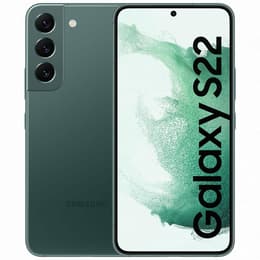
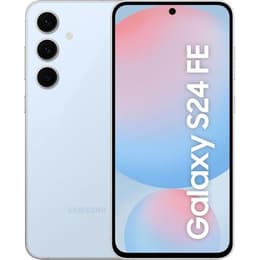
Galaxy S22 5G vs Galaxy S24 FE
- 1-year warranty
- Free standard shipping
- Free 30-day returns
Differences at a glance
The Samsung Galaxy S22 5G (2022) and the Samsung Galaxy S24 FE (2024) represent two distinct generations of smartphone design, bridging compact flagship engineering with accessible, modern performance tiers. While both devices run on the Android operating system with Samsung's custom interface, they differ significantly in their launch timelines, physical proportions, and internal capabilities. Choosing between them depends largely on whether the preference leans toward a smaller physical footprint or a newer generation of hardware support.
Available Models
Colour
Storage (GB)
Scores
Durability
When evaluating the lifecycle and expected duration of software support, these two devices reflect a notable gap in their initial release years and ongoing update schedules.
- Software support duration: The Galaxy S24 FE benefits from a modern multi-year update commitment extending deep into the decade, whereas the Galaxy S22 5G occupies an earlier generation with a correspondingly shorter remaining window for major system upgrades.
- Repairability and build durability: Both models utilize robust aluminum frames and glass backs with formal water resistance ratings, though the newer model benefits from slightly updated structural reinforcement and easier component sourcing during standard repairs.
- Practical lifespan: Users selecting the Galaxy S24 FE as a quality-assured refurbished option secure extended software longevity, while the Galaxy S22 5G remains a capable daily driver for users with shorter upgrade cycles.
Release year
2022
2024
Foldable
No
No
Performance
Daily operation, multitasking smoothness, and thermal handling differ visibly between these two models due to the evolution of internal components and battery capacities.
- Multitasking and app responsiveness: The Galaxy S24 FE handles demanding background tasks, intensive applications, and modern mobile gaming with greater thermal headroom and speed, while the Galaxy S22 5G manages standard everyday workflows like web browsing and messaging reliably.
- Battery behavior: The Galaxy S24 FE features a larger physical battery capacity that comfortably stretches through a full day of mixed use, whereas the smaller cell in the Galaxy S22 5G often requires a midday recharge for heavy users.
- Storage configurations: Both devices offer ample internal storage variants for apps, media, and files, though neither model includes expandable storage via a memory card slot.
Screen quality
Visual output and display engineering showcase different priorities in screen dimensions and outdoor readability across both smartphones.
- Display technology and clarity: Both models utilize vibrant OLED panels that deliver deep contrast levels and sharp resolution, ensuring crisp text and clear image reproduction for media consumption.
- Brightness and outdoor visibility: The Galaxy S24 FE achieves higher peak brightness levels for comfortable viewing under direct sunlight, while the Galaxy S22 5G remains legible in most outdoor lighting conditions.
- Size and physical dimensions: The Galaxy S22 5G offers a noticeably more compact screen and lightweight chassis suited for single-handed operation, whereas the Galaxy S24 FE provides a larger viewing canvas that appeals to media enthusiasts and productivity users.
Resolution
1080 x 2340
1080x2340
Audiovisual
Photography, video recording, and audio output capabilities vary through a combination of sensor generation and image processing software updates.
- Camera hardware versatility: Both smartphones feature a versatile triple-lens setup comprising a high-resolution main sensor, an ultra-wide lens, and a dedicated telephoto zoom lens for distant subjects.
- Low-light and video performance: The Galaxy S24 FE utilizes updated image processing algorithms to handle challenging lighting and reduce noise more effectively, while the Galaxy S22 5G captures reliable everyday snapshots with natural color reproduction.
- Media and audio output: Stereo speaker configurations on both models provide clear sound for calls and casual video viewing, though neither includes a traditional wired headphone jack.
Miscellaneous
Physical handling, connectivity standards, and daily convenience features highlight subtle practical differences in day-to-day use.
- Connectivity options: Both models support fast 5G cellular networks, modern Wi-Fi standards, and Bluetooth pairing, ensuring stable connections for accessories and data transfer.
- Biometric security: Secure authentication is handled via responsive under-display fingerprint sensors and facial recognition capabilities on both devices.
- Physical dimensions and weight: The Galaxy S22 5G is lighter and more pocket-friendly due to its compact form factor, whereas the Galaxy S24 FE carries a slightly larger footprint and heavier weight to accommodate its bigger screen and battery.
Weight
195 oz
213 oz
Screen size (in)
6.6
6.7
SIM card
Physical SIM + eSIM
Physical SIM + eSIM
Carrier compatibility
Unlocked
Unlocked
What the community thinks
Community discussions and user feedback across online forums highlight distinct preferences for each device based on everyday usage habits. Owners of the Galaxy S22 5G frequently praise its compact, lightweight dimensions and easy one-handed usability, though many note that battery life requires careful management during intensive days. Conversely, users of the Galaxy S24 FE regularly highlight the dependable battery longevity and bright display, though some find the larger physical size less comfortable to carry in smaller pockets.
Users prioritizing a compact design and pocket-friendly dimensions will find the Galaxy S22 5G well-suited to their needs. Meanwhile, users prioritizing extended battery life, a larger screen, and longer software support will lean toward the Galaxy S24 FE, which is also available as a sustainable, quality-assured refurbished option for eco-conscious consumers. Evaluating these models against personal daily habits helps determine which device aligns best with individual requirements.