
Compare models

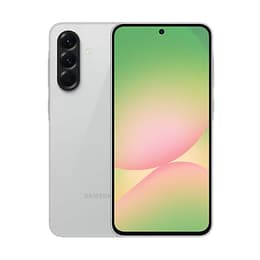
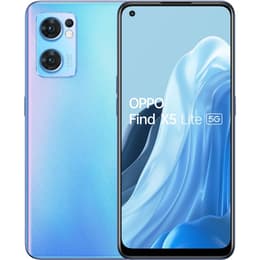
Galaxy A56 vs Oppo Find X5 Lite

  • 1-year warranty
  • Free standard shipping
  • Free 30-day returns
Galaxy A56
Starting at

Refurbished price:A$384.00

Versus A$699.00 new

See options

Differences at a glance

The Samsung Galaxy A56 (2025) and the Oppo Find X5 Lite (2022) represent different generations of mid-range smartphones designed for everyday communication, media consumption, and casual photography. While both devices serve users looking for reliable daily performance, they feature distinct launch years, hardware platforms, and software ecosystems. The Galaxy A56 runs on a modern version of Android with long-term software support, whereas the Oppo Find X5 Lite offers a slightly older iteration of Android with a distinct interface layout. Choosing between these two models involves balancing modern software longevity with hardware characteristics tailored to specific user preferences.

Available Models

Colour

Storage (GB)

Scores

Durability

When examining hardware age and long-term support, the two models differ significantly in their expected software life cycles.

  • Release timeline and support: The Galaxy A56 benefits from a much more recent release date, securing several more years of active operating system upgrades and security patches compared to the Oppo Find X5 Lite, which is further along in its support window.
  • Software longevity: Users seeking extended software relevance will find that the Galaxy A56 retains modern security standards and feature updates for a considerably longer period, making it a reliable choice for long-term ownership.
  • Repairability and durability: Both devices feature standard construction methods, though opting for a quality-assured refurbished option provides a sustainable way to extend the operational life of these smartphones while reducing electronic waste.

Release year

2025

2022

Operating system

Android

Android

Foldable

No

No

Performance

System responsiveness and day-to-day task handling vary based on the underlying processing hardware and memory configurations of each device.

  • Everyday multitasking: Both smartphones handle standard communication, web browsing, and media streaming smoothly, though the Galaxy A56 benefits from newer internal components that manage app switching with slightly less stutter.
  • Battery behavior: Battery capacities differ slightly, but both devices comfortably manage a standard day of moderate use, with fast-charging capabilities supported on both models to reduce downtime.
  • Storage options: Internal storage configurations vary across available tiers, though users can choose capacities that match their media and file storage requirements for long-term convenience.

Screen quality

Visual output and display responsiveness play a major role in the overall user experience for media consumption and navigation.

  • Display technology: Both models utilize vibrant OLED panels that deliver deep contrast levels and rich colors, ensuring text remains sharp and images look clear under various lighting conditions.
  • Brightness and outdoor use: The Galaxy A56 generally offers higher peak brightness levels, making it easier to read content outdoors in direct sunlight compared to the Oppo Find X5 Lite.
  • Refresh rate and smoothness: The Galaxy A56 features a faster screen refresh rate for smoother scrolling through web pages and menus, while the Oppo Find X5 Lite utilizes a standard refresh rate adequate for basic viewing.

Resolution

1080x2340

1080 x 2400

Audiovisual

Photography and media recording capabilities differ in sensor resolution and low-light processing performance between the two devices.

  • Camera systems: Both smartphones feature multiple rear lenses, including a primary sensor and an ultra-wide option, delivering crisp daylight photos and dependable detail for everyday snapshots.
  • Video recording: Video stabilization and resolution options favor the newer hardware of the Galaxy A56, which manages motion and changing light conditions more smoothly during video capture.
  • Audio output: Speaker setups on both devices provide sufficient volume for casual video watching and hands-free calls, though external headphones or speakers improve media immersion.

Miscellaneous

Practical physical design choices and connectivity features define how each device handles everyday handling and accessory integration.

  • Connectivity standards: The Galaxy A56 includes modern 5G connectivity and updated wireless standards for faster network speeds, while the Oppo Find X5 Lite supports reliable 4G and standard Wi-Fi connectivity.
  • Build and dimensions: Both phones offer comfortable ergonomics with sleek profiles, though variations in weight and glass or plastic back finishes alter how each device feels in the hand.
  • Security sensors: Both models incorporate reliable biometric security features, utilizing under-display fingerprint readers and facial recognition for quick device unlocking.

Weight

198 oz

173 oz

Screen size (in)

6.7

6.43

Network

5G

5G

SIM card

Physical SIM + eSIM

Dual Physical SIM

Carrier compatibility

Unlocked

Unlocked

What the community thinks

User feedback from online communities highlights distinct advantages for each smartphone. Owners of the Galaxy A56 frequently praise its bright display, smooth scrolling, and extended software support timeline. Conversely, users of the Oppo Find X5 Lite often note its lightweight feel, reliable everyday performance, and fast-charging capabilities as positive attributes. Common criticisms for the older model focus on its nearing the end of official software updates, while some users mention that the Galaxy A56 lacks expandable storage options.

Users prioritizing long-term software updates, outdoor screen visibility, and modern connectivity may prefer the Galaxy A56, while those looking for a straightforward, lightweight daily device might lean toward the Oppo Find X5 Lite. Choosing a quality-assured refurbished option provides an eco-friendly alternative that supports sustainable technology consumption regardless of the model selected. Ultimately, the right choice depends on whether software longevity or general daily usability aligns best with individual needs.