
Galaxy A55 vs Galaxy S25

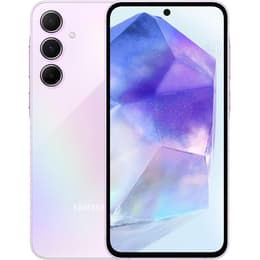
Galaxy A55
Galaxy A55
Starting at

Refurbished price:A$339.00

Versus A$699.00 new

See options
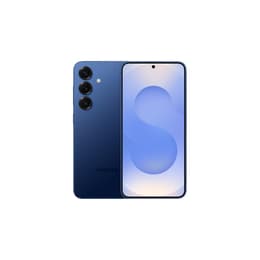
Galaxy S25
Galaxy S25
Starting at

Refurbished price:A$855.00

Versus A$1,399.00 new

See options

Ratings

The Samsung Galaxy A55, released in March 2024, and the Samsung Galaxy S25, launched in January 2025, represent different segments of Samsung's smartphone offerings. Both devices operate on the Android platform, providing users with access to a wide ecosystem of applications and services. The primary distinction lies in their intended audience: the A55 aims to deliver a balanced experience with strong core features, while the S25 focuses on providing a premium, high-performance experience with advanced capabilities.

Scores

Durability

The practical lifespan of a smartphone is significantly influenced by its software support and physical durability. These two Samsung models offer differing commitments in these areas.

  • Software Longevity: The Galaxy A55 is slated to receive four generations of Android operating system upgrades and five years of security updates from its March 2024 release. In contrast, the Galaxy S25, released in January 2025, benefits from Samsung's extended support policy, promising seven generations of OS upgrades and seven years of security updates. This means the S25 will maintain current software and security features for a considerably longer period.
  • Physical Durability: The Galaxy A55 features an IP67 rating for dust and water resistance, indicating protection against immersion in up to 1 meter of fresh water for 30 minutes. It also incorporates Gorilla Glass Victus+ on the front for screen protection. The Galaxy S25, on the other hand, boasts an IP68 rating, offering enhanced water resistance for immersion in up to 1.5 meters of fresh water for 30 minutes, and typically uses a more advanced generation of Gorilla Glass for increased scratch and drop resistance.
  • Expected Practical Lifespan: Users prioritizing the longest possible software and security support will find the Galaxy S25 more aligned with their needs due to its extended update policy. Both devices offer robust physical builds, but the S25 provides a slight edge in water resistance and potentially screen durability.

Release year

2024

2025

Operating system

Android

Android

Foldable

No

No

Performance

The performance capabilities of the Galaxy A55 and Galaxy S25 cater to different user demands, primarily driven by their internal processing power and optimization.

  • Everyday Responsiveness: The Galaxy A55 provides smooth performance for daily tasks such as web browsing, social media, and general app usage. Users report fast app opening and closing times, making it a reliable device for typical smartphone activities.
  • Demanding Applications and Gaming: The Galaxy S25 is equipped with a high-performance processor designed to handle the most demanding applications and intensive gaming sessions with ease. It offers significant performance improvements over its predecessors, ensuring smooth multitasking and efficient processing for complex tasks and AI-driven features.
  • Multitasking and Storage: Both models offer various RAM configurations, with the S25 typically starting with a higher base RAM and utilizing its more powerful processor for superior multitasking efficiency. The Galaxy A55 supports expandable storage via a microSD card, offering flexibility for users with large media libraries, while the S25 generally relies on larger internal storage options without microSD expansion.

Memory (GB)

8 GB

12 GB

Screen quality

The visual experience on both the Galaxy A55 and Galaxy S25 is delivered through high-quality displays, though with distinct characteristics that influence viewing.

  • Display Technology and Clarity: The Galaxy A55 features a 6.6-inch Super AMOLED display, offering vibrant colors and deep blacks with a Full HD+ resolution. The Galaxy S25 comes with a 6.2-inch Dynamic AMOLED 2X display, also providing excellent color reproduction and clarity, often with enhanced contrast and dynamic range.
  • Brightness and Outdoor Visibility: Both displays offer a 120Hz refresh rate for smooth scrolling and animations. The Galaxy A55's display reaches a peak brightness of 1,000 nits, providing good visibility in various lighting conditions, including outdoors. The Galaxy S25, however, features a significantly higher peak brightness, often around 2,600 nits, which translates to superior readability under direct sunlight and a more impactful HDR viewing experience.
  • Size and Viewing Experience: The larger 6.6-inch screen of the A55 offers an expansive canvas for media consumption and productivity. The S25's more compact 6.2-inch display is designed for easier one-handed use and portability, appealing to users who prefer a smaller form factor without compromising on display quality.

Resolution

1080x2340

1080x2340

Audiovisual

The camera systems on the Galaxy A55 and Galaxy S25 are designed to capture different levels of detail and versatility, catering to varied photographic needs.

  • Rear Camera System: The Galaxy A55 is equipped with a triple rear camera setup, including a 50-megapixel main sensor with optical image stabilization (OIS), a 12-megapixel ultrawide lens, and a 5-megapixel macro lens. This configuration is capable of producing clear and vibrant photos in good lighting, with decent performance in low-light conditions. The Galaxy S25 features a more advanced triple camera system, typically comprising a 50-megapixel main sensor with OIS, a 12-megapixel ultrawide lens, and a 10-megapixel telephoto lens with optical zoom. This setup offers greater versatility, particularly for zooming in on distant subjects without significant loss of quality, and generally provides enhanced low-light performance and dynamic range.
  • Video Recording and Front Camera: Both devices support 4K video recording at 30 frames per second with their main cameras. The Galaxy A55 has a 32-megapixel front-facing camera, suitable for high-resolution selfies and video calls. The Galaxy S25 typically features a 12-megapixel front camera, often with advanced autofocus capabilities, delivering sharp and detailed self-portraits and video.
  • Overall Photography Experience: Users report that the A55's camera is acceptable for everyday photos, though some note that colors can be oversaturated. The S25's camera system is praised for its consistent image quality, fast focus, and reliable exposure, making it a strong contender for users who prioritize advanced photography features and overall image fidelity.

Miscellaneous

Beyond core features, several practical elements differentiate the Galaxy A55 and Galaxy S25, impacting daily usability and overall experience.

  • Connectivity and Ports: Both smartphones support 5G connectivity for fast mobile data. The Galaxy A55 includes Wi-Fi 6 and Bluetooth 5.3, while the Galaxy S25 often features newer standards like Wi-Fi 7 and Bluetooth 5.4, offering potentially faster and more stable wireless connections. Both devices utilize a USB-C port for charging and data transfer, and neither includes a traditional 3.5mm headphone jack.
  • Biometric Security and Build Materials: The Galaxy A55 incorporates an under-display optical fingerprint sensor for secure unlocking. It features a metal frame and a glass back, contributing to a premium feel. The Galaxy S25 typically uses an under-display ultrasonic fingerprint sensor, which can offer faster and more reliable authentication. Its construction often involves an Armor Aluminum frame and more advanced Gorilla Glass on both the front and back, providing enhanced durability and a more refined aesthetic.
  • Dimensions and Handling: The Galaxy A55 measures 161.1 x 77.4 x 8.2 mm and weighs 213 grams, offering a larger device footprint. The Galaxy S25 is more compact and lighter, with dimensions around 146.9 x 70.5 x 7.2 mm and a weight of approximately 162 grams, making it more comfortable for one-handed use and easier to carry.

Weight

213 oz

162 oz

Screen size (in)

6.6

6.2

Network

5G

5G

SIM card

Physical SIM

Physical SIM + eSIM

Carrier compatibility

Unlocked

Unlocked

The Samsung Galaxy A55 and Galaxy S25 cater to distinct user preferences, each excelling in different areas based on user feedback and specifications. Users frequently praise the Galaxy A55 for its vibrant display, solid battery life, and premium build quality for its segment. However, some users note that its camera performance, while good for everyday use, may not satisfy those seeking advanced photographic capabilities, and its battery life, despite a large capacity, can be inconsistent for heavy users.

Conversely, the Galaxy S25 receives high marks for its exceptional performance, advanced camera system with versatile zoom capabilities, and its compact, premium design. Users appreciate its long-term software support and overall system responsiveness. Criticisms sometimes point to its battery life, which, while improved, may not always match larger devices, and its charging speeds, which some find to be average compared to competitors.

Users prioritizing a larger screen, a balanced feature set, and a robust device for general daily use may find the Galaxy A55 well-suited to their needs. It offers a compelling package for those who value a good display and reliable performance without requiring the absolute latest in processing power or camera technology. For individuals who demand top-tier performance, a highly capable and versatile camera system, a more compact form factor, and the longest possible software longevity, the Galaxy S25 stands out as the preferred choice. Both devices, whether new or as a quality-assured refurbished option, provide excellent Android experiences, allowing consumers to make informed and sustainable choices based on their specific requirements.


See all articles

Our recent comparisons