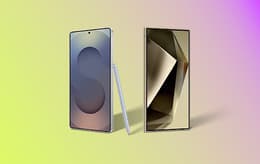
Galaxy A23 5G vs Galaxy S25

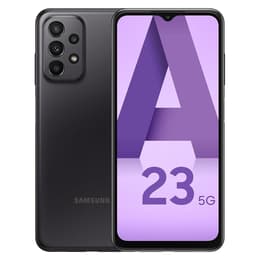
Galaxy A23 5G
Galaxy A23 5G
Starting at

Refurbished price:A$219.00

Versus A$457.00 new

See options
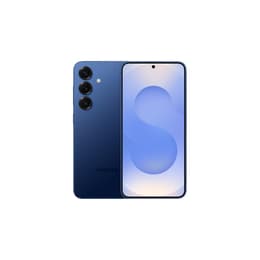
Galaxy S25
Galaxy S25
Starting at

Refurbished price:A$852.00

Versus A$1,399.00 new

See options

Ratings

The Samsung Galaxy A23 5G, released in August 2022, and the Samsung Galaxy S25, launched in February 2025, represent different segments within Samsung's smartphone lineup. While both devices operate on the Android platform, the Galaxy S25 is a more recent flagship model, offering advanced features and higher-end specifications compared to the mid-range Galaxy A23 5G. The primary distinctions lie in their processing power, display technology, and camera capabilities.

Scores

Durability

The expected practical lifespan of a smartphone is influenced by its release timeline, software support, and physical durability features.

  • Release Timeline: The Galaxy A23 5G was released in August 2022, making it an older model compared to the Galaxy S25, which launched in February 2025. This difference in release dates directly impacts their remaining software support.
  • Software Longevity: The Galaxy S25 is designed for extended software support, promising 7 years of major Android operating system updates and security updates, with support expected to continue until 2032. In contrast, the Galaxy A23 5G, as a mid-range device, typically receives fewer major OS updates and security patches, generally around 2 major Android updates and 4 years of security updates from its release.
  • Build and Protection: The Galaxy S25 features an aluminum frame and Corning Gorilla Glass Victus 2 on both the front and back, contributing to its overall durability and resistance to everyday wear. It also carries an IP68 rating for water and dust resistance. The Galaxy A23 5G utilizes a plastic back and frame, and while robust for its category, it does not offer the same level of advanced glass protection or official water and dust resistance rating.

Release year

2022

2025

Operating system

Android

Android

Foldable

No

No

Performance

Performance differences between these two devices are notable, impacting how smoothly they handle various tasks from everyday use to demanding applications.

  • Processing Power: The Galaxy S25 is equipped with a current-generation flagship processor, the Qualcomm Snapdragon 8 Elite for Galaxy, which is engineered for high performance and efficiency. This allows it to handle intensive applications, advanced multitasking, and graphic-heavy gaming with ease. The Galaxy A23 5G uses a mid-range processor, the Qualcomm Snapdragon 695 5G, which provides capable performance for daily tasks and moderate usage, but may show limitations with more demanding applications or extensive multitasking.
  • Multitasking and Responsiveness: The Galaxy S25 comes with 12GB of RAM across all configurations, providing substantial capacity for seamless multitasking and quick app switching. The Galaxy A23 5G offers various RAM options, including 4GB, 6GB, and 8GB, which are sufficient for general use but may lead to more frequent app reloads when managing many applications simultaneously.
  • Storage Speed: The Galaxy S25 utilizes UFS 4.0 storage, which offers faster read and write speeds, contributing to quicker app loading times and overall system responsiveness. The Galaxy A23 5G typically uses UFS 2.2 or similar storage, which is slower but still provides adequate performance for its class. The A23 5G does offer expandable storage via a microSD card, a feature not present on the Galaxy S25.

Memory (GB)

4 GB

12 GB

Screen quality

The visual experience on these smartphones differs significantly due to their display technologies and specifications.

  • Display Technology and Clarity: The Galaxy S25 features a 6.2-inch Dynamic LTPO AMOLED 2X display, known for its vibrant colors, deep blacks, and excellent contrast. Its FHD+ resolution (1080 x 2340 pixels) provides a sharp and detailed viewing experience. The Galaxy A23 5G has a larger 6.6-inch PLS LCD display with an FHD+ resolution (1080 x 2408 pixels). While providing ample screen real estate, LCD technology generally offers less contrast and color vibrancy compared to AMOLED panels.
  • Brightness and Outdoor Visibility: The Galaxy S25 boasts a peak brightness of 2600 nits, ensuring excellent visibility even in bright outdoor conditions. The Galaxy A23 5G's LCD panel offers typical brightness levels for its category, which may be less optimal for direct sunlight viewing compared to the S25.
  • Refresh Rate and Smoothness: Both devices feature a 120Hz refresh rate, contributing to smoother scrolling and more fluid animations. However, the Galaxy S25's display is an adaptive LTPO panel, meaning it can dynamically adjust its refresh rate from 1Hz to 120Hz based on content, which can contribute to power efficiency. The Galaxy A23 5G's 120Hz refresh rate is generally fixed or switches between a few set frequencies.

Resolution

1080 x 2408

1080x2340

Audiovisual

The camera systems on the Galaxy A23 5G and Galaxy S25 cater to different photography needs and offer varying levels of capability.

  • Rear Camera System: The Galaxy S25 features a versatile triple-camera setup, including a 50MP wide-angle main sensor with optical image stabilization (OIS), a 12MP ultrawide lens, and a 10MP telephoto lens with 3x optical zoom. This combination allows for a wide range of photographic scenarios, from expansive landscapes to detailed zoomed-in shots. The Galaxy A23 5G comes with a quad-camera system, featuring a 50MP main sensor with OIS, a 5MP ultrawide lens, a 2MP macro lens, and a 2MP depth sensor. While it offers multiple lenses, the auxiliary sensors are generally less capable than those on the S25.
  • Photography Performance: The Galaxy S25's camera system benefits from advanced image processing and a more powerful processor, leading to improved detail, dynamic range, and low-light performance. Its telephoto lens provides genuine optical zoom for clearer distant subjects. The Galaxy A23 5G's main 50MP camera with OIS can capture clear and detailed everyday photos, but its ultrawide and macro lenses offer more limited detail and performance, especially in challenging lighting conditions.
  • Video Recording: The Galaxy S25 is capable of recording video at up to 8K resolution at 30 frames per second, and 4K at 60 frames per second, offering high-resolution video capture with advanced stabilization. The Galaxy A23 5G supports video recording up to Full HD (1080p) at 30 frames per second, suitable for casual video capture.

Miscellaneous

Beyond core specifications, several practical elements differentiate the user experience between these two Samsung smartphones.

  • Connectivity Standards: The Galaxy S25 supports the latest Wi-Fi 7 standard and Bluetooth 5.4, offering faster wireless speeds and more stable connections for compatible accessories. The Galaxy A23 5G supports Wi-Fi 5 (802.11ac) and Bluetooth 5.1, which are capable for current needs but represent older standards. Both devices support 5G cellular connectivity.
  • Ports and Biometrics: The Galaxy S25 features a USB-C 3.2 port for faster data transfer and charging, and an in-display ultrasonic fingerprint sensor for secure unlocking. It does not include a 3.5mm headphone jack. The Galaxy A23 5G includes a USB-C 2.0 port, a side-mounted fingerprint sensor, and retains a 3.5mm headphone jack, offering more traditional audio connectivity.
  • Build Materials and Handling: The Galaxy S25 has a more premium construction with an aluminum frame and glass panels, weighing approximately 162 grams. The Galaxy A23 5G features a plastic construction, weighing around 197 grams, which can feel different in hand. The S25's more compact 6.2-inch display also contributes to easier one-handed use compared to the A23 5G's 6.6-inch screen.

Weight

197 oz

162 oz

Screen size (in)

6.6

6.2

Network

5G

5G

SIM card

Physical SIM

Physical SIM + eSIM

Carrier compatibility

Unlocked

Unlocked

The Samsung Galaxy A23 5G and Galaxy S25 cater to distinct user needs, reflecting their different positions in the smartphone market. User feedback for the Galaxy S25 often highlights its exceptional performance, vibrant display, and advanced camera capabilities as key strengths. Many users appreciate the extended software support and the integration of AI features, which enhance daily interactions and productivity. Some common observations include its compact size for a flagship and its robust build quality.

For the Galaxy A23 5G, users frequently praise its long-lasting battery life, the inclusion of a 3.5mm headphone jack, and its generally reliable performance for everyday tasks. Its expandable storage is also a noted advantage for those who need more space for media and files. Criticisms sometimes point to its LCD display technology and less powerful camera performance compared to higher-end models.

Users prioritizing cutting-edge performance, a premium display, advanced camera features, and long-term software support will find the Galaxy S25 well-suited to their needs. Its powerful processor and high-quality screen make it ideal for demanding applications, photography enthusiasts, and those seeking a device that remains current for many years. Conversely, users who prioritize battery endurance, expandable storage, and a traditional headphone jack for essential daily functions may prefer the Galaxy A23 5G. It serves as a practical choice for those who need a reliable smartphone for communication, media consumption, and light productivity without the need for flagship-level specifications.

Both models, whether new or as a quality-assured refurbished option, offer distinct advantages depending on individual priorities, allowing consumers to make an informed choice that aligns with their usage patterns and preferences.


See all articles

Our recent comparisons