
Compare models
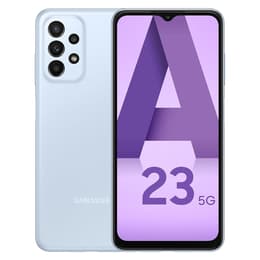
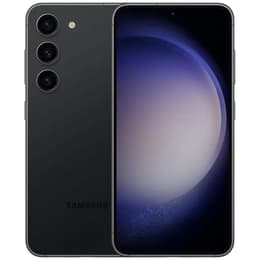
Galaxy A23 5G vs Galaxy S23
- 1-year warranty
- Free standard shipping
- Free 30-day returns
Differences at a glance
The Samsung Galaxy A23 5G, released in August 2022, and the Samsung Galaxy S23, launched in February 2023, are Android smartphones from different segments of Samsung's lineup. While both offer 5G connectivity, the Galaxy S23 is positioned as a more premium device with advanced features and a compact design, whereas the Galaxy A23 5G focuses on delivering essential smartphone capabilities with a larger display. Both devices run on Samsung's One UI software experience over the Android operating system.
Available Models
Colour
Storage (GB)
Scores
Durability
The expected practical lifespan of a smartphone is significantly influenced by its release date and the manufacturer's software support policy. These two devices, despite being released within a year of each other, have different support timelines.
- Release Timeline: The Galaxy A23 5G was released in August 2022, while the Galaxy S23 followed in February 2023. This difference means the Galaxy S23 benefits from a slightly longer period of future software support.
- Software Longevity: The Galaxy A23 5G is expected to receive two major Android OS upgrades and four years of security updates, having launched with Android 12. It has already received Android 13 and 14, and is expected to receive Android 15. In contrast, the Galaxy S23, which launched with Android 13, is promised four major Android OS upgrades and five years of security updates, extending its support until at least 2028 and up to Android 17.
- Physical Durability: The Galaxy S23 features Gorilla Glass Victus 2 on both its front and back, along with an Armor Aluminum frame and an IP68 rating for dust and water resistance, offering robust protection against daily wear and accidental exposure. The Galaxy A23 5G uses Gorilla Glass 5 on the front and a plastic frame and back, without an official IP rating, suggesting a more modest level of physical resilience.
Release year
2022
2023
Compatible with latest Update
Yes
Yes
Operating system
Android
Android
Foldable
No
No
Performance
The performance capabilities of these two smartphones cater to different user demands, primarily due to their internal components and optimization.
- Processing Power: The Galaxy S23 is equipped with a current-generation processor specifically optimized for Galaxy devices, enabling it to handle demanding applications, complex multitasking, and graphics-intensive games with smooth responsiveness. The Galaxy A23 5G features a capable mid-range processor that provides reliable performance for everyday tasks, social media, and moderate gaming.
- Memory and Storage: The Galaxy S23 typically comes with 8GB of RAM, ensuring efficient multitasking and app management. Its storage options include 128GB, 256GB, and 512GB, with higher capacities utilizing faster storage technology. The Galaxy A23 5G offers various RAM configurations (4GB, 6GB, 8GB) and storage options (64GB, 128GB), with the added flexibility of expandable storage via a microSD card, which the Galaxy S23 does not offer.
- Battery Behavior: The Galaxy A23 5G includes a larger 5000 mAh battery, which generally translates to extended usage times for many users. The Galaxy S23 has a 3900 mAh battery, but its more efficient processor and display technology contribute to optimized power consumption, often resulting in a full day of use for many users.
Screen quality
The visual experience on these devices differs significantly, primarily due to their display technologies and specifications.
- Display Technology and Clarity: The Galaxy S23 features a 6.1-inch Dynamic AMOLED 2X display, known for its vibrant colors, deep blacks, and excellent contrast. Its FHD+ resolution (2340 x 1080 pixels) provides sharp and detailed visuals. The Galaxy A23 5G comes with a larger 6.6-inch PLS LCD display, offering good color reproduction and a clear FHD+ resolution (1080 x 2408 pixels), suitable for general viewing.
- Brightness and Refresh Rate: The Galaxy S23 boasts a peak brightness of 1750 nits, making it highly visible even in bright outdoor conditions, and features an adaptive refresh rate that ranges from 48Hz to 120Hz for smooth scrolling and efficient power use. The Galaxy A23 5G offers a 120Hz refresh rate for smoother interactions, though its peak brightness is lower, which might affect outdoor visibility in direct sunlight.
- Viewing Experience: The Galaxy S23's smaller size and premium display technology offer a more immersive and comfortable viewing experience for media consumption and detailed content. The Galaxy A23 5G's larger screen provides more expansive viewing area, which can be beneficial for users who prefer more screen real estate for browsing or watching videos.
Resolution
1080 x 2408
1080 x 2340
Screen type
PLS LCD
Dynamic AMOLED 2X
Audiovisual
The camera systems on the Galaxy A23 5G and Galaxy S23 are designed for different levels of photographic versatility and quality.
- Rear Camera System: The Galaxy S23 features a versatile triple-camera setup, including a 50MP main sensor with optical image stabilization (OIS), a 12MP ultrawide lens, and a 10MP telephoto lens capable of 3x optical zoom. This configuration allows for detailed photos across various scenarios, including improved low-light performance and zoom capabilities. The Galaxy A23 5G is equipped with a quad-camera system, featuring a 50MP main sensor with OIS, a 5MP ultrawide lens, a 2MP macro lens, and a 2MP depth sensor. This setup is suitable for everyday photography, offering good detail in well-lit conditions.
- Front Camera and Video Recording: The Galaxy S23 has a 12MP front camera that supports 4K video recording at 60 frames per second, providing clear selfies and high-quality video calls. It also supports video recording up to 8K at 30 frames per second with its rear cameras. The Galaxy A23 5G features an 8MP front camera and records video at up to 1080p at 30 frames per second with both front and rear cameras, which is adequate for casual video capture and video calls.
- Audio Experience: The Galaxy S23 offers a more refined audio output, suitable for media consumption and clear call quality. The Galaxy A23 5G provides functional speaker output and microphone quality for general use.
Main camera
50 megapixels
50 megapixels
Front camera
8 megapixels
12 megapixels
Miscellaneous
Beyond core performance, several practical elements differentiate these two devices in terms of user experience and daily convenience.
- Connectivity and Ports: Both devices support 5G connectivity. The Galaxy S23 offers more advanced Wi-Fi 6E and Bluetooth 5.3 for faster and more stable wireless connections. The Galaxy A23 5G supports Wi-Fi 5 and Bluetooth 5.1. The Galaxy A23 5G retains a 3.5mm headphone jack, which is absent on the Galaxy S23. Both use a USB-C port for charging and data transfer.
- Biometric Security: The Galaxy S23 features an ultrasonic in-screen fingerprint sensor for convenient and secure unlocking, alongside 2D face recognition. The Galaxy A23 5G typically uses a side-mounted fingerprint sensor integrated into the power button.
- Design and Handling: The Galaxy S23 is a more compact device, measuring 146.3 x 70.9 x 7.6 mm and weighing 168g, making it easier for one-handed use and pocketability. The Galaxy A23 5G is larger and slightly heavier at 165.4 x 76.9 x 8.4 mm and 197g, offering a more expansive screen but requiring a two-handed grip for some users.
Weight
197 oz
227 oz
Screen size (in)
6.6
6.1
Network
5G
5G
SIM card
Physical SIM
Physical SIM + eSIM
Carrier compatibility
Unlocked
Unlocked
What the community thinks
The Samsung Galaxy A23 5G and Galaxy S23 cater to distinct user needs, with each device offering a compelling set of features for its intended audience. User feedback for the Galaxy S23 often praises its compact size, premium build quality, powerful performance, and excellent camera system, particularly its low-light capabilities. Some users have noted occasional software-related lags or battery drain issues, though these are not universal experiences. The Galaxy A23 5G is generally well-regarded for its large display, long battery life, and reliable everyday performance, especially considering its positioning.
Users prioritizing a compact form factor, a high-quality AMOLED display, advanced camera features with optical zoom, and a longer software support timeline will find the Galaxy S23 well-suited to their needs. It is designed for those who engage in demanding tasks, mobile gaming, and extensive photography. Conversely, users who prefer a larger screen, expandable storage, a 3.5mm headphone jack, and extended battery life for general daily use may lean toward the Galaxy A23 5G. It is a practical choice for individuals seeking essential smartphone functionalities without the need for top-tier performance or advanced durability features.
For those considering either device, exploring quality-assured refurbished options can provide an eco-friendly alternative, allowing access to these technologies while making a sustainable choice.