
Compare models

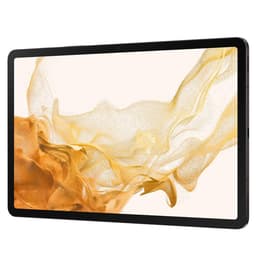
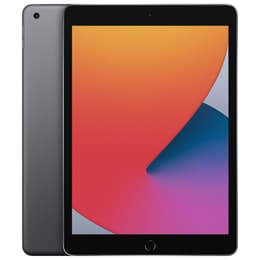
Galaxy Tab S8+ (12.4", 2022) vs iPad 8 (2020, A12 series)

  • 1-year warranty
  • Free standard shipping
  • Free 30-day returns
iPad 8 (2020, A12 series)
Starting at

Refurbished price:A$228.00

Versus A$409.00 new

See options

Differences at a glance

The Samsung Galaxy Tab S8+ (2022) and the Apple iPad 8th generation (2020) represent distinct approaches to the tablet experience, balancing different screen sizes, operating systems, and core hardware architectures. The Galaxy Tab S8+ features a larger, expansive display paired with an Android environment, while the iPad 8 offers a compact form factor managed by Apple's streamlined tablet software. Choosing between these two devices depends on how users weigh multitasking flexibility, software ecosystems, and screen dimensions for daily tasks.

Available Models

Colour

Storage (GB)

Scores

Durability

When evaluating the long-term viability of these two tablets, differences in release years, software support windows, and physical longevity dictate how well each model will age in daily use.

  • Software update timeline: The Galaxy Tab S8+ benefits from a later release year, positioning it to receive system updates further into the future compared to the iPad 8, which launched two years earlier and operates on an older processing architecture.
  • Repairability and physical endurance: Both devices feature solid metal chassis construction, though repair procedures require specialized tools; choosing a quality-assured refurbished option provides a sustainable choice that extends the operational lifespan of either hardware platform without generating excess electronic waste.
  • Expected practical lifespan: Both tablets maintain sufficient processing power for web browsing, media streaming, and document editing, but the newer internal hardware of the Galaxy Tab S8+ gives it a slight advantage in maintaining long-term responsiveness under future software demands.

Release year

2022

2020

Compatible with latest Update

Yes

Yes

Operating system

Android

iPadOS

Performance

Daily responsiveness, storage configurations, and battery behavior vary significantly between these two models based on their internal hardware design and operating system optimization.

  • Multitasking and app switching: The Galaxy Tab S8+ includes a higher amount of system memory that allows multiple demanding applications to remain open simultaneously without reloading, whereas the iPad 8 manages everyday multitasking efficiently through streamlined software optimization.
  • Storage and battery behavior: Both devices offer standard storage capacities for document and media retention, while their respective batteries provide enough energy to navigate a full day of mixed classroom or office use before requiring a recharge.
  • System responsiveness: Apps load quickly and user interfaces remain fluid on both platforms, though demanding creative tasks and intensive mobile applications execute with greater speed on the more modern processor architecture found inside the Galaxy Tab S8+.

Screen quality

Visual immersion and panel technology differ substantially between the two tablets, directly impacting media consumption, reading comfort, and creative workflows.

  • Display technology: The Galaxy Tab S8+ utilizes an advanced organic light-emitting diode panel that delivers deep contrast levels and vivid colors, while the iPad 8 employs a traditional liquid crystal display with balanced color accuracy for standard viewing tasks.
  • Screen dimensions and resolution: The Galaxy Tab S8+ offers a larger 12.4-inch canvas with higher resolution suited for split-screen productivity, whereas the iPad 8 provides a more compact 10.2-inch display that remains easy to handle with one hand during travel.
  • Outdoor visibility and refresh rate: The Galaxy Tab S8+ features a high refresh rate mechanism for smoother scrolling animations and sufficient brightness to combat glare outdoors, while the iPad 8 maintains standard display refresh rates adequate for indoor reading and video playback.

Resolution

1752 x 2800

2160 x 1620

Screen type

Super AMOLED

Retina display

Pixel density

270ppp

264ppp

Audiovisual

Optics, audio output, and recording hardware shape how each tablet handles video calls, media creation, and casual photography.

  • Camera system capabilities: The Galaxy Tab S8+ houses a dual-camera layout on the rear alongside an ultra-wide front sensor positioned for landscape video conferences, while the iPad 8 relies on a single rear camera and a traditional front-facing sensor for basic snapshots and calls.
  • Video recording and low-light performance: Both tablets capture clear high-definition video suitable for casual sharing, though the Galaxy Tab S8+ captures more detail in low-light environments thanks to larger image sensors and updated processing software.
  • Audio output and microphones: Integrated multi-speaker arrays on both devices deliver clear sound for listening to podcasts and watching movies, supported by directional microphones that isolate voices effectively during remote meetings or voice notes.

Miscellaneous

Physical dimensions, connectivity standards, and biometric security features establish distinct advantages for different travel and workspace scenarios.

  • Connectivity and ports: Both models support standard wireless networking protocols, while data transfer and charging are handled through a reversible universal connector on the Galaxy Tab S8+ and Apple's proprietary lightning interface on the iPad 8.
  • Biometric security: The Galaxy Tab S8+ integrates an optical fingerprint reader beneath the display alongside facial recognition, whereas the iPad 8 retains a physical home button housing a traditional fingerprint sensor below the screen.
  • Dimensions and handling: The larger footprint of the Galaxy Tab S8+ suits stationary desk work and multimedia viewing, while the lighter, narrower build of the iPad 8 fits easily into smaller bags for frequent commuters and students on the move.

Weight

567 oz

490 oz

Screen size (in)

12.4

10.2

Network

Wi-Fi

Wi-Fi

Carrier compatibility

Without SIM Port

Without SIM Port

What the community thinks

Users evaluating these two tablets frequently highlight the Galaxy Tab S8+'s expansive, high-contrast screen and generous multitasking memory as major benefits for productivity and media consumption. Common praise for the iPad 8 centers on its reliable operating system simplicity and dependable performance for everyday educational and entertainment tasks. At the same time, some users note that the iPad 8's older processor architecture limits advanced multitasking headroom, while others mention that the larger physical footprint of the Galaxy Tab S8+ requires more space in transit bags.

Users prioritizing a large, vibrant display for split-screen work and media enjoyment may prefer the Galaxy Tab S8+, while users seeking a compact, straightforward device for everyday browsing and reading will lean toward the iPad 8. Individuals looking to make an eco-friendly purchase can find both models available as quality-assured refurbished options, supporting sustainable technology consumption without compromising on core functionality. Ultimately, matching either device to personal workflow habits and software ecosystem preferences ensures a satisfying long-term experience.

Our recent comparisons