Galaxy S25+ vs Nokia G22

Galaxy S25+
Galaxy S25+
Starting at

Refurbished price:A$919.00

Versus A$1,699.00 new

See options
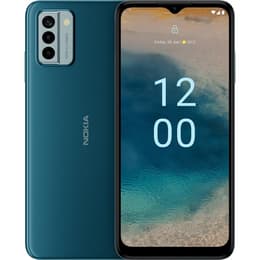
Nokia G22
Nokia G22
See options

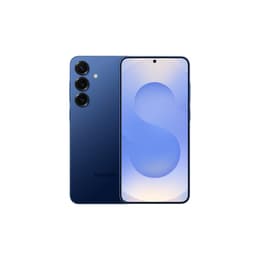
The Samsung Galaxy S25 Plus, released in February 2025, and the Nokia G22, launched in February 2023, represent distinct approaches to smartphone design and functionality. While the Galaxy S25 Plus focuses on delivering a premium, high-performance Android experience with advanced features, the Nokia G22 prioritizes user repairability and extended battery life within a more accessible package. Both devices operate on the Android platform, but they cater to different user expectations regarding power, display quality, and long-term maintenance.

Scores

Durability

The expected lifespan and software support differ significantly between these two devices, reflecting their respective market positions and release timelines.

  • Release Timeline and Age: The Galaxy S25 Plus is a more recent device, having been released in February 2025. The Nokia G22, launched in February 2023, is two years older, which impacts its remaining software support window.
  • OS Support Duration: Samsung has committed to an extensive 7 years of OS and security updates for the Galaxy S25 Plus, with support projected to continue until 2032. In contrast, the Nokia G22 was promised 2 OS updates (up to Android 14) and 3 years of security updates, with its support period concluding around 2026.
  • Repairability and Practical Lifespan: The Nokia G22 stands out for its QuickFix design, developed in partnership with iFixit, which allows users to perform common repairs like battery and screen replacements with relative ease. This focus on user repairability aims to extend the device's practical lifespan, even if its software support is shorter. The Galaxy S25 Plus, while featuring durable materials like Gorilla Glass Victus 2 and an IP68 rating for dust and water resistance, is not designed for easy user repair.

Release year

2025

2023

Operating system

Android

Android

Foldable

No

No

Performance

Performance capabilities vary considerably, influencing how each device handles daily tasks and demanding applications.

  • Processor Capabilities: The Galaxy S25 Plus is equipped with a high-end Snapdragon 8 Elite chipset, manufactured on a 3nm process, featuring an octa-core CPU with speeds up to 4.47 GHz and an Adreno 830 GPU. This hardware is designed for smooth operation with resource-intensive applications, advanced gaming, and complex multitasking. The Nokia G22 utilizes a Unisoc T606 chipset, an octa-core processor clocked at 1.6GHz, paired with a Mali-G57 MP1 GPU. This configuration is suitable for essential smartphone functions and lighter use.
  • System Responsiveness and Multitasking: The Galaxy S25 Plus, with its powerful processor and typically 12GB of RAM, offers a highly responsive user experience, allowing for quick app loading, seamless transitions between applications, and efficient handling of multiple tasks simultaneously. The Nokia G22, generally featuring 4GB of RAM (some variants with 6GB), provides adequate performance for everyday browsing, social media, and communication, though users may experience occasional delays when opening heavier applications or switching between many apps.
  • Storage and Battery Behavior: The Galaxy S25 Plus offers internal storage options of 256GB or 512GB, which are non-expandable. Its 4900 mAh battery supports 45W wired and 15W wireless charging. The Nokia G22 comes with 64GB or 128GB of internal storage, which can be expanded significantly via a microSD card up to 2TB. Its larger 5050 mAh battery is a key feature, often providing extended usage between charges, with support for 20W fast charging.

Memory (GB)

12 GB

4 GB

Screen quality

The visual experience on these devices is shaped by their distinct display technologies and specifications.

  • Display Technology and Clarity: The Galaxy S25 Plus features a 6.7-inch Dynamic LTPO AMOLED 2X display, offering QHD+ resolution (3120x1440 pixels) for exceptionally sharp images, deep blacks, and vibrant colors. The Nokia G22 has a 6.52-inch IPS LCD panel with HD+ resolution (720x1600 pixels). While clear for general use, its clarity is less refined compared to the higher-resolution AMOLED screen.
  • Brightness and Refresh Rate: The Galaxy S25 Plus boasts a high peak brightness of up to 2600 nits, ensuring excellent visibility even in bright outdoor conditions, and an adaptive refresh rate that scales from 1Hz to 120Hz for smooth scrolling and power efficiency. The Nokia G22 offers a 90Hz refresh rate, providing a smoother experience than standard 60Hz displays, and a typical brightness of 500 nits, which is generally sufficient for indoor use but may struggle in direct sunlight.
  • Screen Protection: The Galaxy S25 Plus is protected by Gorilla Glass Victus 2 on both the front and back, offering enhanced durability against drops and scratches. The Nokia G22 uses Corning Gorilla Glass 3 for its display, providing a good level of protection for its class.

Resolution

1440x3120

720 x 1600

Audiovisual

The camera systems of these smartphones are designed for different levels of photographic versatility and image quality.

  • Rear Camera System: The Galaxy S25 Plus features a versatile triple-camera setup, including a 50 MP wide-angle main sensor with optical image stabilization (OIS) and phase-detection autofocus (PDAF), a 12 MP ultra-wide camera with a 120° field of view, and a 10 MP telephoto lens offering 3x optical zoom, also with OIS and PDAF. This configuration is designed for detailed and stable shots across various scenarios. The Nokia G22 also has a triple-camera system, comprising a 50 MP main sensor (f/1.8, PDAF), a 2 MP macro lens, and a 2 MP depth sensor. The macro and depth sensors offer specialized functions, but the primary camera is the main contributor to image quality.
  • Photography Performance: The Galaxy S25 Plus benefits from advanced image processing and AI features, delivering strong performance in various lighting conditions, including low light, with good detail and color reproduction. Its telephoto lens provides clear zoomed-in shots. The Nokia G22's 50 MP main camera performs well in good lighting conditions, producing decent images. However, its performance in low-light situations and the utility of its 2 MP macro and depth sensors are more limited.
  • Video Recording and Audio: The Galaxy S25 Plus is capable of recording high-resolution 8K video at 30 frames per second (fps) and features advanced video stabilization and audio options like Zoom-in mic. It also includes stereo speakers with Dolby Atmos support for an immersive audio experience. The Nokia G22 records video at 1080p resolution at 30 fps for both its rear and front cameras. It features a mono speaker and retains a 3.5mm headphone jack.

Miscellaneous

Beyond core features, several practical elements distinguish these two smartphones in daily use.

  • Connectivity Options: The Galaxy S25 Plus supports 5G connectivity, offering faster mobile data speeds, alongside modern Wi-Fi standards (likely Wi-Fi 6E or 7) and Bluetooth. It also supports dual SIM functionality, either via two Nano-SIMs or a Nano-SIM and an eSIM, depending on the region. The Nokia G22 provides 4G LTE connectivity, Wi-Fi 5, and Bluetooth 5.0. It also includes NFC for contactless payments.
  • Port Types and Sensors: Both devices feature a USB-C port for charging and data transfer. The Nokia G22 notably includes a 3.5mm headphone jack, a feature less common in higher-end smartphones. For biometric security, the Galaxy S25 Plus uses an ultrasonic in-screen fingerprint sensor. The Nokia G22 has a side-mounted fingerprint reader integrated into the power button.
  • Physical Design and Materials: The Galaxy S25 Plus has a premium build with an Armor Aluminum frame and Gorilla Glass Victus 2 on both the front and back, contributing to its 190g weight and dimensions of 158.4 x 75.7 x 7.3 mm. It also carries an IP68 rating for dust and water resistance. The Nokia G22 features a body made with a recycled plastic back and a plastic frame, weighing 195g with dimensions of 165 x 76.2 x 8.5 mm. It has an IP52 rating, offering protection against splashes and dust.

Weight

190 oz

196 oz

Screen size (in)

6.7

6.5

Network

5G

4G

SIM card

Physical SIM + eSIM

Dual Physical SIM

Carrier compatibility

Unlocked

Unlocked

The Samsung Galaxy S25 Plus and Nokia G22 cater to distinct user needs, offering different strengths and trade-offs. The Galaxy S25 Plus is frequently praised for its powerful performance, vibrant and bright display, and advanced camera capabilities, making it a strong contender for users who demand a premium smartphone experience. Users appreciate its long software support and robust build quality. Some common observations include its consistent design language with previous generations and the absence of the anti-reflective coating found on the Ultra model.

The Nokia G22 is often highlighted for its exceptional battery life, with many users reporting extended usage between charges, and its unique focus on user repairability. The ability to easily replace components like the battery and screen at home is a significant advantage for those prioritizing longevity and sustainability. However, criticisms often point to its more modest performance, particularly with demanding applications, and its shorter software update commitment compared to higher-end devices. Its camera performance is generally considered adequate for casual use but not exceptional in challenging conditions.

Users prioritizing cutting-edge performance, a top-tier display, and advanced photography features, along with extensive software support, will find the Samsung Galaxy S25 Plus well-suited to their needs. Its powerful hardware and premium design are ideal for demanding tasks and immersive media consumption. Conversely, users who value a smartphone with a long-lasting battery, the ability to perform basic repairs themselves, and a focus on practical, everyday functionality may lean toward the Nokia G22. It represents a sustainable choice for those looking to extend the life of their device through self-maintenance. Both devices, especially when considering quality-assured refurbished options, offer pathways to informed and sustainable choices in the smartphone market.
See all articles

Our recent comparisons