Compare models
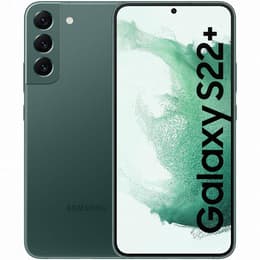
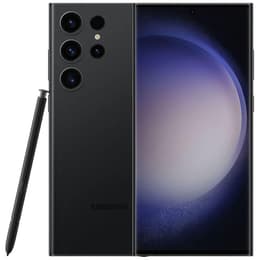
Galaxy S22+ 5G vs Galaxy S23 Ultra
- 1-year warranty
- Free standard shipping
- Free 30-day returns
Differences at a glance
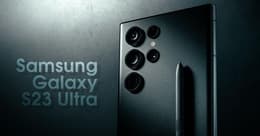
The Samsung Galaxy S22 Plus 5G, released in February 2022, and the Samsung Galaxy S23 Ultra, launched in February 2023, are both premium Android smartphones from Samsung's flagship Galaxy S series. While the S22 Plus offers a balanced experience, the S23 Ultra distinguishes itself with a more advanced camera system, a larger display, and integrated S Pen functionality. Both devices operate on the Android platform, offering a consistent software experience with Samsung's One UI.
Available Models
Colour
Storage (GB)
Scores
Durability
When considering the long-term usability of these devices, several factors come into play, including their release timelines, software support, and repairability.
- Release Timeline: The Galaxy S22 Plus was released in February 2022, making it a year older than the Galaxy S23 Ultra, which launched in February 2023. This difference in release date directly impacts their expected software support duration.
- Software Longevity: Samsung typically provides four major Android operating system updates and five years of security updates for its flagship devices from these generations. The S22 Plus, having launched with Android 12, is expected to receive updates up to Android 16, with security patches extending into early 2027. The S23 Ultra, launching with Android 13, will likely receive updates up to Android 17, with security support extending into early 2028. Users of the S22 Plus have reported still receiving monthly security updates as of March 2025, and S23 Ultra users also report consistent monthly updates.
- Repairability: The Galaxy S23 Ultra shows improvements in repairability compared to its predecessor, with iFixit noting features like easier battery removal tabs and the use of a single type of screw internally. The display on the S23 Ultra is also designed to separate like a book, potentially simplifying screen replacements. The S22 Plus also allows for screen and battery replacements, with back glass replacement rated at a 5/10 difficulty.
Release year
2022
2023
Compatible with latest Update
Yes
Yes
Operating system
Android
Android
Foldable
No
No
Performance
The performance of a smartphone is crucial for daily tasks, demanding applications, and overall user experience. Both devices offer robust performance, but the newer model brings generational improvements.
- Processor Capabilities: The Galaxy S23 Ultra features a more advanced processor, which provides enhanced speed and efficiency for demanding applications and multitasking. This results in smoother operation and quicker app loading times, particularly noticeable in graphically intensive games or when editing high-resolution media. The Galaxy S22 Plus, while still capable, uses a previous generation processor that handles everyday tasks effectively but may show more strain with the most intensive workloads.
- Battery Behavior: The Galaxy S23 Ultra is equipped with a larger 5000 mAh battery, contributing to significantly longer usage times, with many users reporting it comfortably lasting a full day or more, even with heavy use. The Galaxy S22 Plus has a 4500 mAh battery, which provides adequate power for a typical day, though heavy users might find themselves needing to recharge more frequently.
- System Responsiveness and RAM: Both models offer 8GB of RAM in their base configurations, with the S23 Ultra also available in a 12GB RAM variant, which can benefit users who frequently switch between many applications or engage in intensive multitasking. The S23 Ultra's more efficient processor also contributes to its overall system responsiveness, ensuring a fluid user interface and seamless transitions between apps.
Screen quality
The display is a primary interface for smartphone interaction, and both devices offer high-quality viewing experiences with some key distinctions.
- Display Technology and Clarity: Both the Galaxy S22 Plus and S23 Ultra feature Dynamic AMOLED 2X displays, known for their vibrant colors, deep blacks, and excellent contrast. The S23 Ultra, however, boasts a higher resolution of 3088 x 1440 pixels on its 6.8-inch screen, resulting in a sharper image with a pixel density of approximately 500 ppi. The S22 Plus has a 6.6-inch display with a resolution of 1080 x 2340 pixels, offering a clear viewing experience at around 393 ppi.
- Brightness Levels: Both phones offer impressive peak brightness of up to 1750 nits, ensuring good visibility even in bright outdoor conditions. This high brightness is beneficial for HDR content viewing and general outdoor use.
- Refresh Rate and Smoothness: Both models feature an adaptive 120Hz refresh rate, which allows for smooth scrolling and fluid animations. This adaptive technology also helps conserve battery life by lowering the refresh rate when high speeds are not necessary, such as when viewing static content.
- Screen Size and Viewing Experience: The S23 Ultra's larger 6.8-inch display provides a more expansive canvas for media consumption, gaming, and productivity tasks, which users who prefer a larger screen will appreciate. The S22 Plus offers a slightly more compact 6.6-inch screen, which some users may find easier to handle with one hand.
Resolution
1080 x 2340
1440 x 3088
Screen type
Dynamic AMOLED 2X
Dynamic AMOLED 2X
Audiovisual
Camera capabilities are a significant differentiator, with the S23 Ultra introducing substantial upgrades over its predecessor.
- Camera System Capabilities: The Galaxy S23 Ultra features a versatile quad-camera setup, highlighted by a 200MP main sensor, a 12MP ultrawide lens, and two 10MP telephoto lenses offering 3x and 10x optical zoom. This allows for exceptional detail and impressive zoom capabilities. The Galaxy S22 Plus has a triple-camera system with a 50MP main sensor, a 12MP ultrawide, and a 10MP telephoto lens with 3x optical zoom.
- Photography Performance: The S23 Ultra's high-resolution main sensor and advanced processing contribute to capturing highly detailed images, particularly in well-lit conditions. Its enhanced zoom capabilities are a notable advantage for capturing distant subjects. While the S22 Plus delivers good everyday photos, some users have noted that its camera can struggle in suboptimal conditions, such as low light or with moving subjects.
- Video Recording Quality: The S23 Ultra supports 8K video recording at 30 frames per second, offering higher resolution video capture than the S22 Plus, which records 8K at 24 frames per second. Both devices offer 4K recording at 60 frames per second.
- Front Camera and Audio: Both phones feature a 10MP (S22 Plus) or 12MP (S23 Ultra) front camera capable of capturing detailed selfies and 4K video. For audio, both devices include stereo speakers, providing a rich sound experience for media consumption. The S23 Ultra also features improved microphones for clearer recordings.
Main camera
50 megapixels
200 megapixels
Front camera
10 megapixels
12 megapixels
Miscellaneous
Beyond core specifications, several practical elements contribute to the overall user experience of these smartphones.
- Connectivity Options: Both the Galaxy S22 Plus and S23 Ultra support 5G connectivity, along with Wi-Fi 6E and Bluetooth 5.2, ensuring fast and reliable wireless connections. This allows for quick downloads, smooth streaming, and efficient pairing with accessories.
- Port Types and Sensors: Both devices utilize a USB-C port for charging and data transfer, and neither includes a traditional 3.5mm headphone jack. They both feature in-display fingerprint sensors for secure and convenient unlocking. The S23 Ultra uniquely integrates an S Pen stylus, offering additional functionality for note-taking, drawing, and remote control.
- Weight and Dimensions: The Galaxy S23 Ultra is a larger and slightly heavier device, measuring approximately 163.4 x 78.1 x 8.9 mm and weighing around 233 grams. This larger size can be a consideration for users with smaller hands. The S22 Plus is more compact at 157.4 x 75.8 x 7.6 mm and weighs around 195-196 grams, offering a more manageable form factor for some.
- Build Materials and Durability: Both phones feature a robust construction with an aluminum frame and Gorilla Glass protection on the front and back. The S23 Ultra benefits from the newer Gorilla Glass Victus 2, offering enhanced durability against drops and scratches. Both devices also carry an IP68 rating for dust and water resistance, providing protection against immersion in water up to 1.5 meters for 30 minutes.
Weight
227 oz
234 oz
Screen size (in)
6.6
6.8
Network
5G
5G
SIM card
Physical SIM + eSIM
Physical SIM + eSIM
Carrier compatibility
Unlocked
Unlocked
Connector
USB-C
USB-C
What the community thinks
User feedback for the Galaxy S22 Plus often highlights its beautiful display and solid performance for everyday use, with many appreciating its balanced size and premium feel. However, some users have noted concerns regarding battery life, especially with heavy usage or 5G connectivity, and occasional heating during demanding tasks or extended camera use. The camera, while generally good, has received criticism for its performance in low light or with moving subjects.
The Galaxy S23 Ultra generally receives praise for its exceptional battery life, powerful performance, and the versatility of its camera system, particularly the impressive zoom capabilities. The integrated S Pen is also a significant draw for users who value its productivity features. Common criticisms include its large size and weight, which can make one-handed use challenging for some. Some users have also expressed mixed opinions on camera consistency and shutter speed.
For users prioritizing a more compact design and a capable smartphone for general use, the Galaxy S22 Plus remains a strong option. Those who require extended battery life, a larger display for media and productivity, advanced camera features, and the unique functionality of the S Pen will find the Galaxy S23 Ultra better suited to their needs. Both devices offer a premium Android experience, and considering a quality-assured refurbished option for either model can be a sustainable choice for consumers.