
Compare models
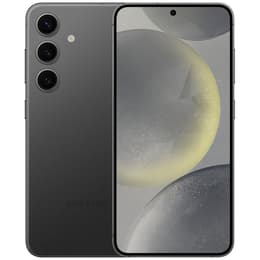
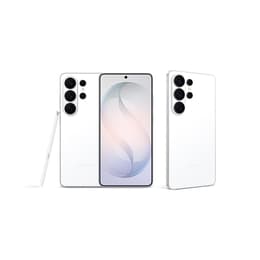
Galaxy S24 vs Galaxy S26 Ultra
- 1-year warranty
- Free standard shipping
- Free 30-day returns
Differences at a glance
The Samsung Galaxy S24 (2024) and Samsung Galaxy S26 Ultra (2026) represent two different tiers and generations of Samsung's flagship smartphone family. While the Galaxy S24 offers a compact, pocket-friendly design for everyday use, the Galaxy S26 Ultra functions as a powerhouse device equipped with a larger screen, advanced camera arrays, and an integrated stylus. Both devices run on Android operating systems with Samsung's customized interface overlay, though the newer model benefits from an extended software support lifecycle.
Available Models
Colour
Storage
Scores
Durability
When evaluating structural longevity and software support, both devices provide long-term reliability with distinct release timelines and update commitments.
- Software lifecycle: The Galaxy S26 Ultra benefits from a newer release date and a longer commitment to major operating system upgrades, whereas the Galaxy S24 has a head start in age but still receives regular security patches.
- Build durability: Both models feature robust water and dust resistance alongside hardened glass protection, though the Ultra utilizes advanced frame materials designed to withstand heavy daily handling.
- Repairability ecosystem: Both devices score similarly regarding component replacement availability, making a quality-assured refurbished option a sustainable choice that extends the active life cycle of either model.
Release year
2024
2026
Operating system
Android
Android
Foldable
No
No
Performance
System responsiveness and day-to-day capability differ significantly based on internal hardware allocations and memory capacity between the two devices.
- Multitasking capacity: The Galaxy S26 Ultra includes higher baseline RAM configurations that handle intensive multitasking and demanding applications smoothly, while the Galaxy S24 manages standard daily apps and browsing efficiently with its lighter memory footprint.
- Storage configurations: The Galaxy S26 Ultra provides higher maximum storage tiers alongside baseline capacities that suit large media libraries, whereas the Galaxy S24 focuses on moderate storage options for standard user needs.
- Battery endurance: The larger physical footprint of the Galaxy S26 Ultra houses a higher-capacity battery that sustains prolonged heavy usage, while the compact Galaxy S24 requires more frequent charging under intensive workloads.
Screen quality
Viewing experiences vary considerably due to differences in physical display dimensions, panel technology, and peak brightness capabilities.
- Display size and format: The Galaxy S26 Ultra features an expansive 6.9-inch screen providing an immersive canvas for media consumption, whereas the Galaxy S24 offers a compact 6.2-inch panel optimized for single-handed navigation.
- Clarity and refresh rate: Both models utilize high-refresh-rate OLED technology for smooth scrolling, but the Ultra delivers a sharper resolution density for detailed visual work.
- Outdoor visibility: The Galaxy S26 Ultra incorporates advanced anti-reflective display coatings and higher peak brightness levels that maintain legibility under direct sunlight more effectively than its smaller counterpart.
Resolution
1080 x 2340
1440x3120
Audiovisual
Photography and media capture capabilities reflect the distinct market positions of a compact flagship versus a specialized multi-lens powerhouse.
- Zoom versatility: The Galaxy S26 Ultra includes dedicated periscope telephoto lenses providing clear long-range magnification, whereas the Galaxy S24 relies on standard optical zoom ranges suitable for casual framing.
- Main sensor output: The Ultra features an ultra-high-resolution primary sensor that captures fine details in complex lighting, while the Galaxy S24 delivers balanced everyday photos through its reliable triple-lens configuration.
- Video and audio: Both devices offer stable high-resolution video recording and clear microphone pickup, though the Ultra adds advanced stabilization modes for action capture.
Miscellaneous
Practical daily usability elements, physical dimensions, and accessory compatibility shape how each device fits into various routines.
- Physical handling: The Galaxy S24 weighs significantly less and slips easily into pockets, whereas the heavier Galaxy S26 Ultra requires two-handed use for extended comfort.
- Stylus integration: The Galaxy S26 Ultra includes a built-in digital stylus for note-taking and precise drawing, a feature omitted on the standard Galaxy S24.
- Connectivity standards: Both smartphones support modern 5G networks, fast Wi-Fi protocols, and secure biometric authentication features like facial recognition and under-display fingerprint sensors.
Weight
167 oz
214 oz
Screen size (in)
6.2
6.9
Network
5G
5G
SIM card
Physical SIM + eSIM
Physical SIM + eSIM
Carrier compatibility
Unlocked
Unlocked
What the community thinks
User feedback from online communities highlights distinct preferences for each device based on practical everyday habits. Owners of the Galaxy S24 frequently praise its lightweight form factor, pocket-friendly dimensions, and reliable performance for daily communication tasks. Common discussions note that its compact battery requires mindful management during heavy travel days. Conversely, users of the Galaxy S26 Ultra heavily praise its expansive display, versatile zoom capabilities, and the productivity benefits of the integrated stylus, though some note that its large physical footprint and heavier weight can feel cumbersome during prolonged one-handed operation.
Users prioritizing portability, comfortable single-handed use, and a streamlined device footprint will find the Galaxy S24 well-suited to their daily routines. Meanwhile, users prioritizing maximum screen space, advanced photography flexibility, and productivity tools like a stylus may prefer the capabilities of the Galaxy S26 Ultra. Choosing an eco-friendly alternative like a quality-assured refurbished option allows consumers to access either device tier reliably while supporting sustainable technology consumption.